


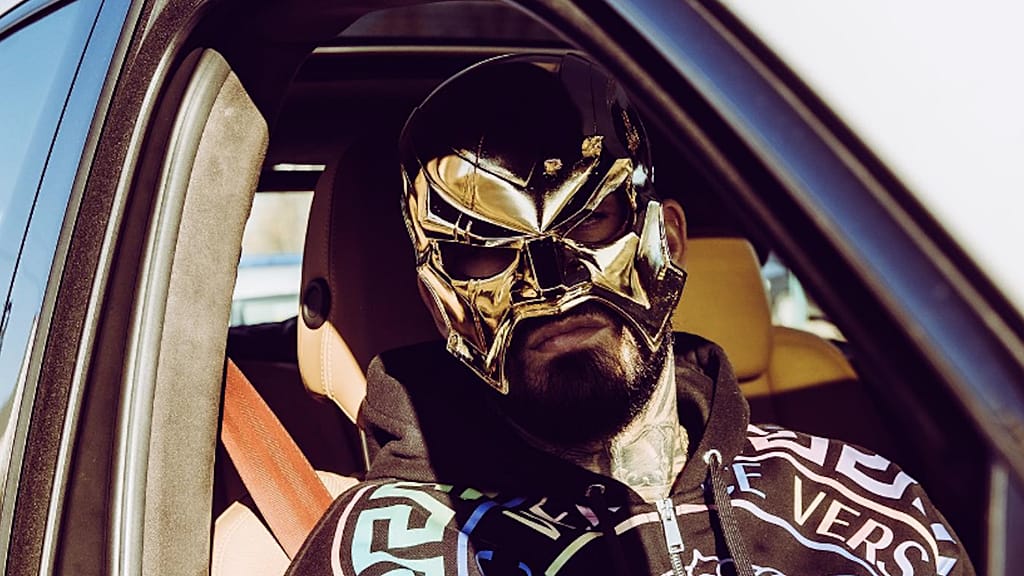
The Ballad of Banned Rhymes: How Europe’s Drug War Met an Unlikely Celebrity
POLICY WIRE — Lisbon, Portugal — The thing about celebrity, particularly of the street-level, underground variety, is it doesn’t quite translate across national borders when the gavel drops. Not...

POLICY WIRE — Lisbon, Portugal — The thing about celebrity, particularly of the street-level, underground variety, is it doesn’t quite translate across national borders when the gavel drops. Not really. German prosecutors, it turns out, don’t care much for your streaming numbers or how many fans shout your name from Lisbon’s rough-and-tumble neighbourhoods. They care about kilos — and the statutes they break.
And that’s exactly the stark lesson one prominent Portuguese rapper — known less for his lyrics these days and more for his rap sheet — just learned. After a stretch in a German lock-up for serious drug trafficking charges, he’s found himself on the business end of a deportation order, whisked back to his homeland. But don’t mistake this for a quiet bureaucratic shuffling. This isn’t just about one guy who made bad choices; it’s about the intricate, sometimes brutal, dance between national sovereignty, the European Union’s patchy justice framework, and the relentless, ugly grind of the global drug trade.
His case, initially a low hum in the German judicial system, crescendoed into a small but resonant chord back home. He’d been convicted, served his time — a substantial chunk for moving illicit substances. But freedom, when it came, wasn’t freedom at all in the country that jailed him. Instead, it was a one-way ticket, courtesy of the German state. Germany doesn’t mess around. If you’re not a citizen — and you break its serious laws, you’re not staying. It’s a policy with teeth, a clear message meant to echo beyond prison walls.
But the story of illicit narcotics in Europe—or anywhere, frankly—isn’t simple; it’s a globe-spanning hydra. And the path of some of those drugs, the ones that land rappers in German prisons, often leads back to less developed corners of the world, like South Asia. Just as distant fishing fleets exploit African waters, the global drug economy often preys on vulnerable supply chains and individuals. It’s a connection most European citizens don’t consider when they hear about a drug bust. But because, historically, routes from countries like Pakistan or Afghanistan have fueled portions of the European heroin and increasingly, methamphetamine markets, a case like this hints at a much bigger, nastier picture.
“Germany remains steadfast in its commitment to a robust rule of law,” a spokesperson for the German Ministry of Justice, who asked not to be named discussing individual cases, told Policy Wire. The official emphasized, “No status, artistic or otherwise, grants immunity from prosecution or deportation for serious offenses. Our objective isn’t merely punishment, but the safeguarding of our communities.” This sternness is typical of Germany’s approach to cross-border crime—efficient, unflinching. They don’t differentiate between a regular schmo — and someone with a cult following. The law is the law, period.
Back in Portugal, where the rapper now finds himself reintegrating into a society he arguably abandoned for a quick, dangerous buck, the response is, shall we say, a bit more… nuanced. “Our primary concern now is the safe reintegration of all our citizens who return from incarceration abroad,” stated Dr. Sofia Pereira, a spokesperson for Portugal’s Ministry of Justice, carefully choosing her words during a recent press briefing. “It’s about human dignity, about second chances, within the parameters of our national laws.” Notice the softer tone, the emphasis on reintegration, a decidedly Portuguese spin on the whole ordeal. One country slams the door; the other tries to usher him back through it, however reluctantly.
And these cases, where national policies diverge even within the supposedly seamless EU, aren’t rare. Cross-border justice, for all its bureaucratic ideals, is still very much a patchwork. The UNODC reported that in 2022, methamphetamine seizures across Europe surged by an astonishing 27% year-on-year, a rise often explicitly linked to organized crime networks that, yes, frequently stretch their tendrils into regions like South Asia. These aren’t local street deals; they’re vast, meticulously organized enterprises.
What’s the bigger takeout from all this? For starters, the illusion of EU fluidity melts away under the harsh light of criminal justice. Each member state retains significant autonomy over its correctional policies and, crucially, its immigration and deportation laws. You break German law, you deal with Germany’s response, even if you’re technically an EU citizen from another state. Your citizenship might buy you easier entry, but it won’t save you from a plane ticket home if you fall foul of the system.
What This Means
This isn’t just about a rapper losing his German street cred. It’s a raw demonstration of how the idea of a ‘united Europe’ struggles when it meets the very real concerns of national security and judicial sovereignty. The stark contrast between Germany’s uncompromising stance and Portugal’s more rehabilitative narrative highlights deeper philosophical divides within the bloc on justice and punishment. But it also serves as a potent, if unfortunate, cautionary tale about the pitfalls of pursuing fame through illicit means—a lifestyle that often promises boundless opportunity but, more often than not, delivers the most brutal forms of restriction. The case inadvertently puts a spotlight on the often-overlooked fact that the global illicit trade isn’t some abstract problem for distant lands; its tentacles stretch right into European cities, implicating everything from aspiring artists to high-level cartels. And, crucially, it illustrates that no amount of online likes or stage presence shields one from the long, unyielding arm of the law—especially when the numbers involved speak to multi-jurisdictional crime rather than a mere street corner exchange.
His story, therefore, isn’t a single isolated event, but a reflection. It’s a glimmer into the mechanics of contemporary justice in an interconnected, yet fragmented, world. One where celebrity and criminality don’t just clash, they collide spectacularly, reminding us all that the spotlight can be unforgiving, even deadly, in the shadow of the law.