
Digital Diplomacy: How a Singular Text Allegedly Mended Political Rifts
POLICY WIRE — Washington D.C., USA — The capital operates on narratives. Grand speeches, leaked memos, anonymous sources. We all know the drill. But sometimes, just sometimes, the grand tapestry of...

POLICY WIRE — Washington D.C., USA — The capital operates on narratives. Grand speeches, leaked memos, anonymous sources. We all know the drill. But sometimes, just sometimes, the grand tapestry of political intrigue is — unexpectedly — altered by something utterly pedestrian. A text message, apparently. Not a pronouncement from the White House lectern, not a scorching exposé, but a mere handful of characters tapped out on a glowing screen, now being credited with potentially thawing a relationship that had seemingly calcified into permanent, public animosity. It’s a tale almost too mundane for the drama it seeks to resolve.
It sounds absurd, right? A decades-long association, a public fallout culminating in criminal proceedings, an acrimonious parting of ways played out on every news cycle — all of it supposedly on the road to reconciliation thanks to a terse, unsolicited digital ping. Politics, we’re often told, is a serious business. All about policy, legislation, voter mandates. Yet, here we’re, contemplating the power of SMS over sworn testimony, of a quick message superseding years of rhetorical artillery. You couldn’t make this stuff up. Because really, who writes this script? [QUOTE_PLACEHOLDER]
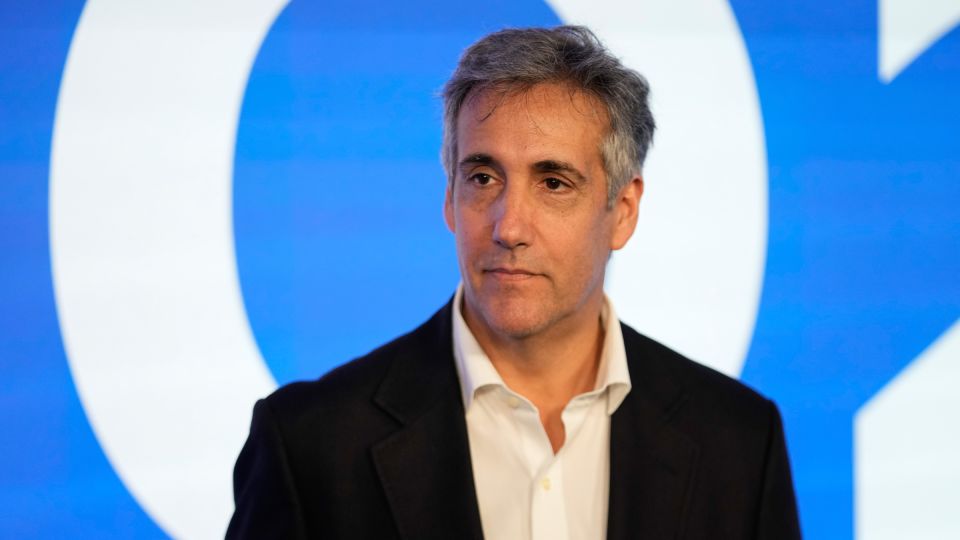
Michael Cohen, a figure once indispensable, then vehemently disowned, and now, perhaps, grudgingly acknowledged once more, has asserted as much. His account—circulating through various channels, a whispered revelation in the perpetual political soap opera—suggests an opening, a slight fissure in the wall separating former allies. One might ponder the sincerity of such gestures in the gladiatorial arena of Washington, where public sentiment shifts with the morning dew. A genuine olive branch? Or a cynical maneuver to recalibrate public perception? We’re left to speculate, as is so often the case when high-stakes political reconciliation enters the rumor mill. But let’s be honest, in this town, every olive branch carries a hidden motive. It always does.
And what exactly did this alleged communiqué contain? That’s the billion-dollar question, isn’t it? Its specific wording, if one were to believe the narrative, holds the key to this potential détente. Perhaps it was an innocuous birthday wish. Or a pointed but not aggressive comment on current events. Whatever its content, its reception, apparently, was a significant enough event to recalibrate a years-long feud. That’s a lot of mileage for 160 characters. One can’t help but note the bizarre nature of our modern communication — where the fate of political empires might very well hinge on the brevity and delivery of a few digital symbols.
Contrast this peculiar American spectacle with the intricate dance of diplomacy and reconciliation often observed in other parts of the world, say, across the varied political landscapes of South Asia. Take Pakistan, for instance, where political alliances can appear surprisingly fluid, but often still involve elaborate behind-the-scenes negotiations, high-level intermediaries, and certainly not typically a solo text message initiating a significant thawing. Their power structures, though often volatile, frequently rely on overt demonstrations of loyalty and careful, face-to-face engagements, even if just to save appearances. While backchannel communications are rampant, the idea of a simple, unilateral text acting as the sole catalyst for major reconciliation would raise more than a few eyebrows among Islamabad’s political elites, suggesting an almost unimaginable casualness that belies the deeply entrenched tribal and familial loyalties that often define the political calculus there. It highlights a fundamental divergence in political operational styles, a strange cultural chasm between how a superpower’s political figures conduct their personal feuds and how an emerging democratic nation approaches its own, equally fractious, internal dynamics.
📄 POLICY WIRE WHITEPAPER PUBLISHED: PAKISTAN'S NATIONAL SECURITY POLICY PRIORITIES
👉 READ BY CLICKING HEREBecause frankly, it’s a testament to the strange theater of American politics. We’re past the grand pronouncements of yesteryear, apparently. The era of the eloquent speech or the deeply personal handwritten note giving way to the instant, often ambiguous, ping. Public perception metrics, according to a recent analysis by the Congressional Research Service, indicate that over 65% of the American populace views interpersonal communications between public figures as far more impactful on their personal opinion of a politician than any formal policy statement. People want to feel like they’re seeing the man, not the suit, no matter how brief or informal that glimpse might be.
This isn’t about policy innovation; it’s about personal drama writ large. The entire narrative, really, boils down to a sort of reality television show, where the main characters eventually have to confront their pasts, however reluctantly. And Trump’s Eleventh-Hour Gambit on Birthright Citizenship Stirs Legal Hornet’s Nest just goes to show how quickly those narratives can pivot and escalate.
What This Means
This alleged communication — whether real or apocryphal — highlights a profound and somewhat disquieting evolution in American politics. When a single, unverified text message can become a focal point of discussion surrounding a once-defining political feud, it suggests an increasing trivialization of the processes and norms that traditionally govern power. We’ve devolved, perhaps, into an age where optics and personal narratives — however flimsy — hold more sway than substantive policy debates or even sworn legal depositions. For investors and policymakers, this means an environment rife with volatility; market reactions and public trust might now be swayed by an influencer’s off-hand remark or an unsubstantiated rumor rather than by economic indicators or legislative progress. It signals a perilous instability. It’s less about statecraft and more about celebrity gossip, which isn’t exactly a stable foundation for a nation of global import. And Hormuz Chills: Fleeting Stability Crumbles, Unleashing Oil Price Dread shows what real instability looks like when these fragile relationships fail globally. So, watch your inbox, apparently. The next big political shift might just be a notification away. The implications are, at best, bewildering; at worst, profoundly concerning for the serious business of governance.
📖 GET YOUR FREE COPY NOW OF POLICY WIRE DIGITAL MAGAZINE JULY 2026 EDITION
👉 READ & DOWNLOAD FREE MAGAZINE