


The Road Untaken: China’s Hypercar Hops, Defying Gravity and Skepticism
POLICY WIRE — BEIJING, CHINA — For ages, driving was a horizontal affair, a straightforward matter of tires on tarmac. Then came the Yangwang U9, a Chinese electric hypercar that seems to have...

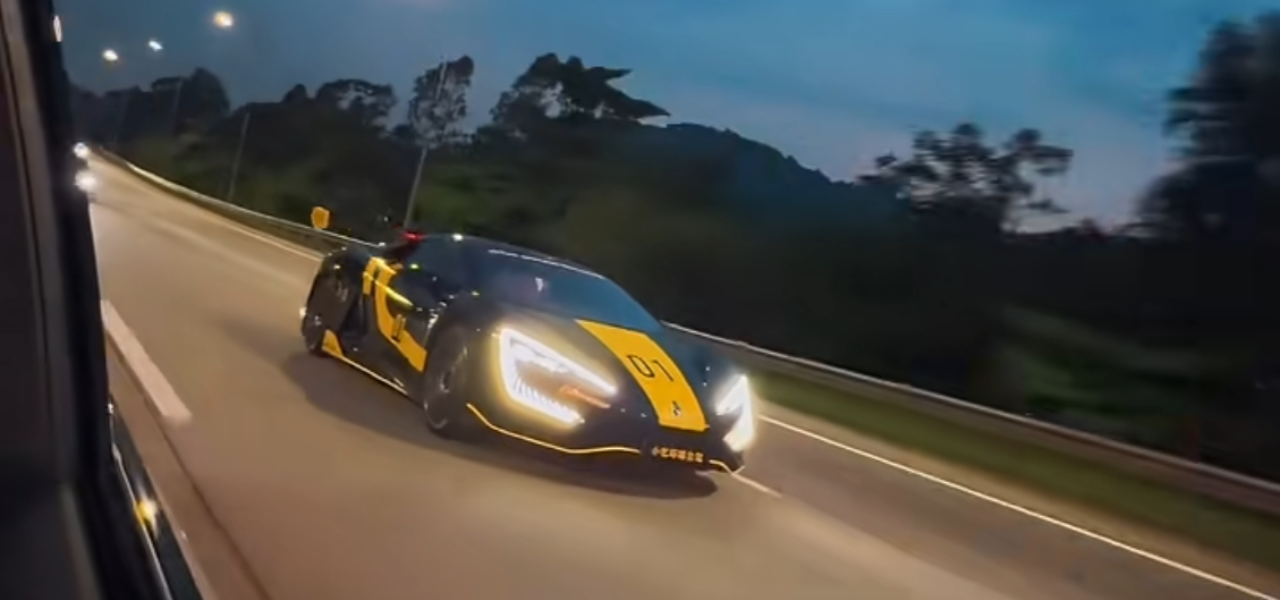
POLICY WIRE — BEIJING, CHINA — For ages, driving was a horizontal affair, a straightforward matter of tires on tarmac. Then came the Yangwang U9, a Chinese electric hypercar that seems to have skipped the memo on terrestrial conventions. Because recently, an online clip went absolutely bonkers showing this particular piece of engineering marveling—nay, leaping—over a patch of highway without breaking stride. Not an accident. Not a stunt ramp. Just a quick, almost nonchalant hop. It’s safe to say, nobody saw that coming.
This isn’t your grandma’s sedan, obviously. But even for an electric supercar packing over 1,100 horsepower and a price tag nudging $233,000, its recent impromptu ballet on public roads raised eyebrows. The internet, a place notoriously hard to impress, found itself temporarily speechless. Then, as always, the comments started, a chaotic chorus of disbelief — and awe. And it wasn’t just gearheads; people with precisely zero interest in cars suddenly became experts on active suspension dynamics. It’s what happens when reality decides to borrow a trick from science fiction.
What gives with the impromptu aerial maneuvers? The culprit, or rather, the star of the show, is Yangwang’s DiSus-X Intelligent Body Control System. This tech, straight out of parent company BYD’s rather audacious engineering playbook, allows the U9 to do a bunch of wild things: drive on three wheels, balance a cup of coffee at speed—and yes, perform controlled mid-drive leaps. It’s essentially an electro-hydraulic active suspension system capable of precisely controlling individual wheel height and damping. Imagine a car that can adjust its ride height with the precision of a seasoned surgeon. But instead of saving lives, it’s just showing off.
And show off it does. This kind of stunt, though bizarre, isn’t just about selling a few ridiculously expensive toys. It’s a loud, proud declaration from China: we’re not just assembling; we’re inventing. We’re not just catching up; we’re designing things that make established auto giants scratch their heads, then nervously adjust their collars. The Yangwang U9 is a halo car, sure, but it casts a long shadow, highlighting BYD’s rapidly expanding technological capabilities across its entire, more consumer-friendly lineup. You see this hypercar hop, you start thinking, what else can they do?
“This isn’t just about speed or luxury; it’s a defiant statement of Chinese engineering prowess. We’re not merely competing; we’re redefining what’s possible on the asphalt, pushing the very boundaries of vehicle dynamics,” declared Lu Ming, a spokesperson for the China Association of Automobile Manufacturers (CAAM). “The world’s taking notice, and they’d better get used to it.” It’s a bold pronouncement, laced with unmistakable national pride, a narrative frequently woven into discussions of Chinese technological breakthroughs.
But while the U9 won’t be commuting the average citizen to work, its splashy debut carries broader implications, particularly for markets eager for cutting-edge technology and investment. Think about nations across South Asia — and the Muslim world. Countries like Pakistan, for instance, are increasingly seeing Chinese automobiles and infrastructure solutions as go-to options. As China solidifies its position as an economic and technological powerhouse, demonstrations like the U9’s gravity-defying act reinforce the perception of Beijing’s high-tech leadership—a leadership that extends far beyond supercars into more practical segments.
📄 POLICY WIRE WHITEPAPER PUBLISHED: PAKISTAN'S NATIONAL SECURITY POLICY PRIORITIES
👉 READ BY CLICKING HERE“For years, Western brands dictated automotive ambition. Now, companies like BYD aren’t just catching up; they’re leapfrogging us with an audacity and resources we can only dream of,” observed Dr. Eleanor Vance, an auto industry analyst with the Geneva Institute of Technology, her tone a mix of admiration and apprehension. “The U9 isn’t a curiosity; it’s a loud, thumping bass note in the symphony of China’s technological ascension.” She’s not wrong. According to the International Energy Agency (IEA), China now accounts for over 60% of global electric vehicle sales, underscoring its unparalleled influence in the EV market.
What This Means
The U9’s high-flying act is more than just a fleeting viral moment; it’s a physical manifestation of a profound geopolitical shift in the automotive industry. For decades, the pinnacle of car engineering was largely synonymous with Germany, Italy, or America. Now, China is barging onto the stage, not just as a competitor, but as a disruptive innovator, demanding respect through sheer, audacious technical achievement. This isn’t just about cars; it’s about bragging rights, technological sovereignty, and shaping future mobility paradigms. When Chinese companies demonstrate they can push engineering limits with hyper-luxury items, it lends serious credibility to their more mainstream, globally distributed products—from city EVs to commercial trucks.
This aggressive push from manufacturers like BYD, particularly into markets where infrastructure and economic growth are key, creates a new dynamic. For countries navigating their own development, embracing Chinese technology becomes a pragmatic choice. But it also means a deeper entrenchment within China’s economic orbit, affecting everything from import policies to technological standards. The ability to pull off such stunts—or rather, the engineering behind them—signals that Chinese firms aren’t content with just market share; they’re after dominance through innovation, reshaping the global automotive chessboard and inviting other players to either adapt or get left behind, perhaps literally, in the dust of a jumping supercar. And sometimes, you’ve just got to wonder what the engineers will come up with next.