


Soccer, Sanity, and Sentiment: World Cup Coach Unleashes Raw Geopolitical Truth
POLICY WIRE — Doha, Qatar — The cacophony of roaring fans, the blinding stadium lights, the manicured emerald of a World Cup pitch – it’s often touted as a global escape, a pure expression of...

POLICY WIRE — Doha, Qatar — The cacophony of roaring fans, the blinding stadium lights, the manicured emerald of a World Cup pitch – it’s often touted as a global escape, a pure expression of athletic competition. Yet, in this meticulously curated bubble of international goodwill, geopolitics, it seems, always finds a way to puncture through. A coach, a simple man of tactics and formations, became the unexpected conduit for a truth often hushed on such grand stages. His words, delivered without artifice, landed like a punch in the gut, a stark reminder that some realities can’t be quarantined to the sports pages.
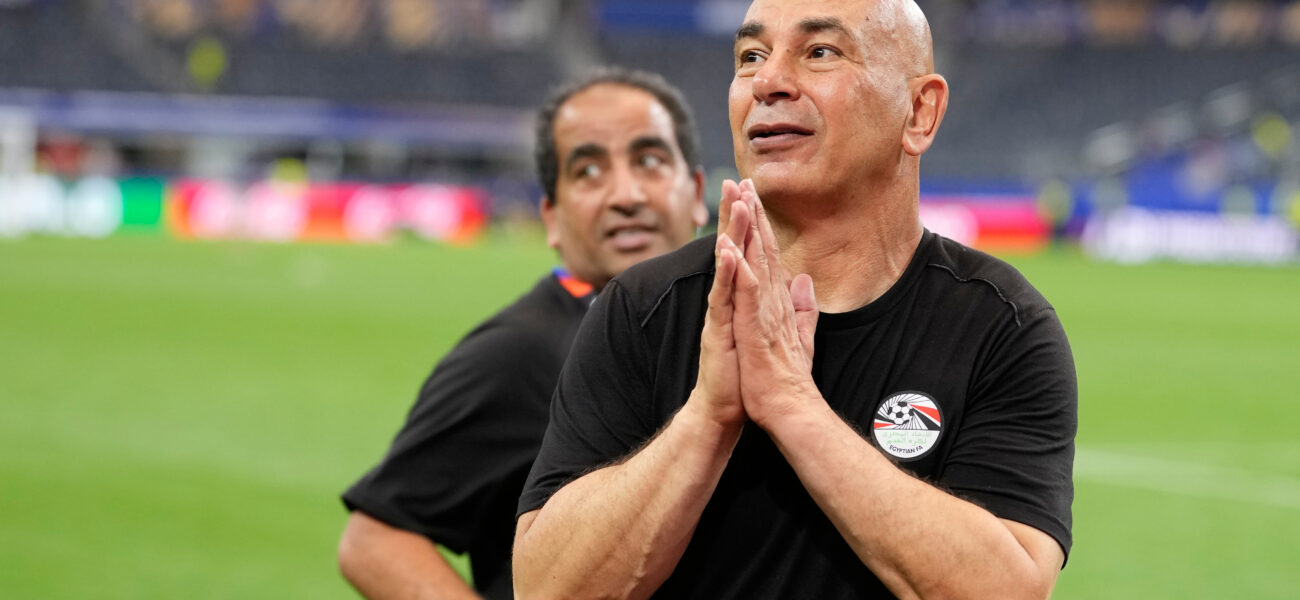
It wasn’t an athlete’s showboat or a referee’s contentious call that momentarily seized the global spotlight. No, it was a press conference, usually a theatre of bland corporate speak and cautious platitudes, where the head coach of Egypt’s national football team dared to speak plain sense. The man, responsible for guiding a squad of young talents through one of the planet’s most scrutinized tournaments, tossed aside the usual script. He didn’t prattle about team cohesion or forthcoming strategies. Instead, he spoke to the heart of a crisis, asserting that anyone who doesn’t feel for Palestinian people is ‘not human’. Blunt. Unapologetic. And, perhaps, deeply telling. [QUOTE_PLACEHOLDER]
This wasn’t some off-the-cuff gaffe, though the media handlers likely broke into a cold sweat. It felt like an eruption of bottled-up regional anguish, thrust onto a platform where billions were watching. He wasn’t advocating for a political party or dissecting international law. No, he was articulating a sentiment that resonates not just across the Arab street, but throughout vast swathes of the Muslim world, from Cairo’s bustling markets to the quiet villages nestled in Pakistan’s Balochistan province. And honestly, it cuts through the spin better than a thousand diplomatic communiqués.
His statement isn’t merely about Palestine. It’s about human empathy, or the perceived lack thereof, when certain narratives dominate the global discourse. You see it everywhere – the double standards, the selective outrage, the calculated silences. For many, his outburst crystallized a simmering frustration: why are some suffering bodies counted, and others rendered invisible? Why is pain politically categorized? It’s not a comfortable question for the international sporting federations, for sure.
Because frankly, sports, despite its utopian PR, is rarely apolitical. It’s often a potent amplifier of national identity, sometimes for good, often for ill. Athletes, whether they like it or not, become symbols. Their actions, their words—even their silences—carry weight far beyond the scoreboard. In the case of this coach, it was an explicit articulation of a deeply ingrained cultural and religious solidarity that runs like a powerful undercurrent through the region, frequently overlooked by Western commentators who prefer to analyze geopolitics through a purely economic or security lens.
Consider the raw emotion that spills onto the streets of Karachi, or Dhaka, or Jakarta, every time the issue flares up. A recent survey by the Arab Barometer indicates that support for the Palestinian cause remains overwhelmingly high, with an average of 85% across surveyed Middle Eastern and North African countries deeming it a central issue of Arab identity. This isn’t just policy; it’s personal. It’s an issue passed down through generations, taught in homes, recited in prayers. And then an Egyptian coach—a figure usually confined to tactical diagrams and motivational speeches—gives voice to that sentiment on the grandest global stage. It’s a moment of unfiltered, visceral truth, — and it absolutely shakes up the polite, curated conversation. No wonder it went viral. People are tired of politeness when lives are at stake. Don’t you think?
What This Means
This off-script declaration from an Egyptian football coach during a premier international event isn’t just a fleeting headline; it’s a bellwether for underlying political currents. Firstly, it spotlights the immense pressure on public figures from Muslim-majority nations to acknowledge—and often vocally support—the Palestinian cause, regardless of their immediate professional brief. For the Egyptian government, typically walking a tightrope between regional loyalties and Western diplomatic considerations, such a prominent statement from a national representative, even an athletic one, presents a subtle diplomatic challenge. It can energize a domestic populace but also complicate engagements with countries less sympathetic to that stance.
Secondly, it exposes the inherent tension within international institutions—like FIFA, for instance—that strive for a veneer of neutrality in an intensely politicized world. When these organizations attempt to ban or sanitize political expression, they often face a backlash that only magnifies the original message. This coach’s words will almost certainly embolden other public figures to speak out, turning ostensibly non-political platforms into arenas for social and political commentary. It also shows a growing frustration, particularly among younger generations in the region, with what they perceive as hypocrisy or indifference from global powers. This isn’t going away; if anything, this coach just tossed gasoline onto a smoldering fire. And really, what’s a World Cup without a bit of actual drama?