


Caracas Tremors: How a Catastrophic Quake Exposes Venezuela’s Geopolitical Fault Lines
POLICY WIRE — Caracas, Venezuela — The dust from the collapsed tenements hasn’t even settled, but the ground shifts already feel more political than geological. It’s not just a mountain range...

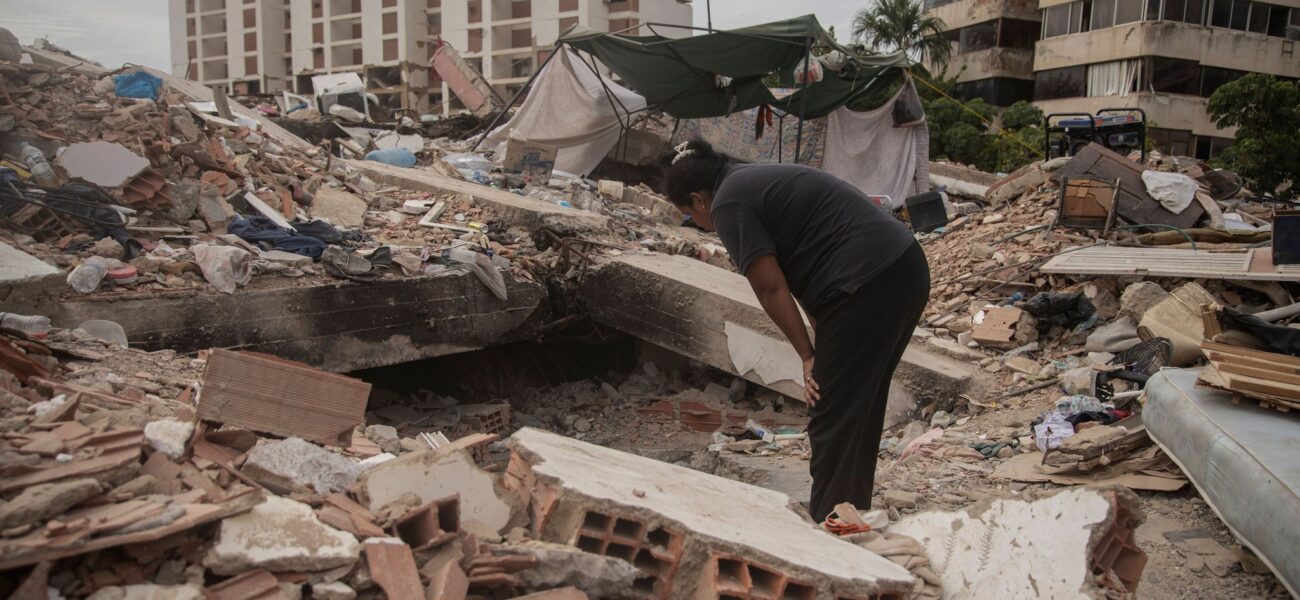
POLICY WIRE — Caracas, Venezuela — The dust from the collapsed tenements hasn’t even settled, but the ground shifts already feel more political than geological. It’s not just a mountain range settling; it’s an entire nation teetering, its structural integrity now measured not just in concrete and rebar, but in geopolitical isolation and crumbling social contracts. The grim arithmetic coming out of Venezuela paints a stark picture—[QUOTE_PLACEHOLDER] 3,685 lives, a number that seems to grow almost hourly—but the true impact ripples far beyond the immediate casualty count. This isn’t simply a natural disaster; it’s a brutal spotlight on a society already under immense strain.
Venezuela, long a flashpoint in hemispheric politics, finds itself staring down the barrel of a humanitarian catastrophe amplified by its own fraught domestic situation. Years of economic freefall, marked by hyperinflation and mass emigration, had already eroded the country’s capacity to handle even minor crises. But an event of this magnitude? It’s simply overwhelming. Many international observers, those still allowed within the borders anyway, reckon the state machinery, thin and brittle, simply isn’t up to the task.
Think about the basic logistical nightmare: rubble clearing, identifying the deceased, finding shelter for thousands displaced. It’s a Herculean undertaking in even the best-resourced nations. But here? With infrastructure often in disrepair, medical supplies scarce, and skilled personnel having fled years ago—well, you do the math. The government’s immediate response has been predictably focused on control and image, less on genuine, open-door relief efforts. It’s a sad, familiar tune, isn’t it?
But the damage goes deeper than twisted steel — and shattered glass. A nation’s trust, once fractured, doesn’t mend easily. And let’s not forget the long shadow cast by years of sanctions. Yes, they’re meant to pressure the regime, but they invariably hit the populace hardest. Now, imagine trying to secure international aid, specialized rescue equipment, or even basic medicine under those constraints. It becomes a diplomatic dance on a freshly dug grave.
And it’s a global pattern, really, this unholy alliance of natural fury — and political fragility. Look at some regions in South Asia, particularly after earthquakes or floods—they’re often wrestling with similar internal strife or geopolitical crosscurrents that obstruct effective disaster response. Pakistan, for instance, grapples with immense developmental challenges while facing devastating climatic events. The resources that could fortify infrastructure or build resilience are often diverted or simply aren’t there, consumed by economic woes or the demands of maintaining an already shaky order. A 2023 World Bank assessment, for example, estimated [QUOTE_PLACEHOLDER] 65% of Pakistan’s major urban centers lacked adequate disaster-resistant building codes or enforcement, highlighting a common vulnerability across disparate geographies.
What we’re seeing in Caracas is a painful mirror, reflecting not just the ground literally shaking beneath our feet, but the foundations of governance—everywhere. Because when the earth moves, it reveals what’s truly holding things up—or what isn’t.
What This Means
This Venezuelan earthquake isn’t just a regional calamity; it’s a complex, multi-layered problem with significant political and economic ramifications that echo globally. First, the human toll will be far greater than the stated [QUOTE_PLACEHOLDER] 3,685 because of the long-term impact on survivors—the displaced, the injured, those suddenly without livelihoods in an already collapsed economy. We’re talking about a fresh wave of humanitarian crisis, certain to drive further internal migration and perhaps a renewed exodus from the country, straining neighboring states already overwhelmed by Venezuelan refugees. Colombia, particularly, won’t appreciate this new burden.
Economically, any prospect of recovery or attracting foreign investment takes an even bigger hit. Infrastructure damage, particularly to port facilities or remaining oil infrastructure (if any were impacted directly, and that’s usually kept quiet), would kneecap already meager export capabilities. The international community faces a wicked dilemma: how to channel desperately needed aid without strengthening a regime seen by many as illegitimate. It’s a dance between humanitarian imperatives — and political leverage. We’ve seen this in various Muslim-majority nations, too, where aid gets politicized or falls into bureaucratic black holes, often due to lack of trust between donor and recipient governments.
Domestically, the disaster could be a catalyst for anything from increased dissent and social unrest to a temporary consolidation of power under the guise of emergency rule. But I reckon the government’s perceived inability to manage the crisis effectively could backfire, eroding what little public confidence remains. Any pretense of stability has now gone right out the window. it complicates Venezuela’s position within regional blocs and its relationships with global allies like China and Russia. They’ll need to decide just how much political capital—and actual cash—they’re willing to invest in stabilizing an already floundering partner. It’s not a good look, — and frankly, it isn’t easy.
The lessons from Caracas are stark for developing nations everywhere, especially those prone to natural disasters: weak governance and economic instability create exponential vulnerability. They’re telling us—quite loudly, I think—that resilience isn’t just about building codes; it’s about robust institutions and transparent leadership. This latest tremor isn’t just a seismic event; it’s a profound political aftershock, felt far — and wide.