


Brooklyn Cafe Aids Venezuela: Crisis Response
A Brooklyn cafe transforms into a vital aid hub, sending supplies to crisis-stricken Venezuela. This powerful story reveals community action amid global aid failures.

POLICY WIRE — BROOKLYN, New York — Sometimes, the quiet hum of a commercial kitchen preparing tonight’s specials can be heard just miles from the bluster of diplomatic circles and international summits. But what happens when that hum shifts, when it trades charring meats for collecting medicine, gourmet spices for canned goods? It’s not a catering venture, mind you. It’s a gut-wrenching indictment of global inaction, playing out in an old storefront in Brooklyn.
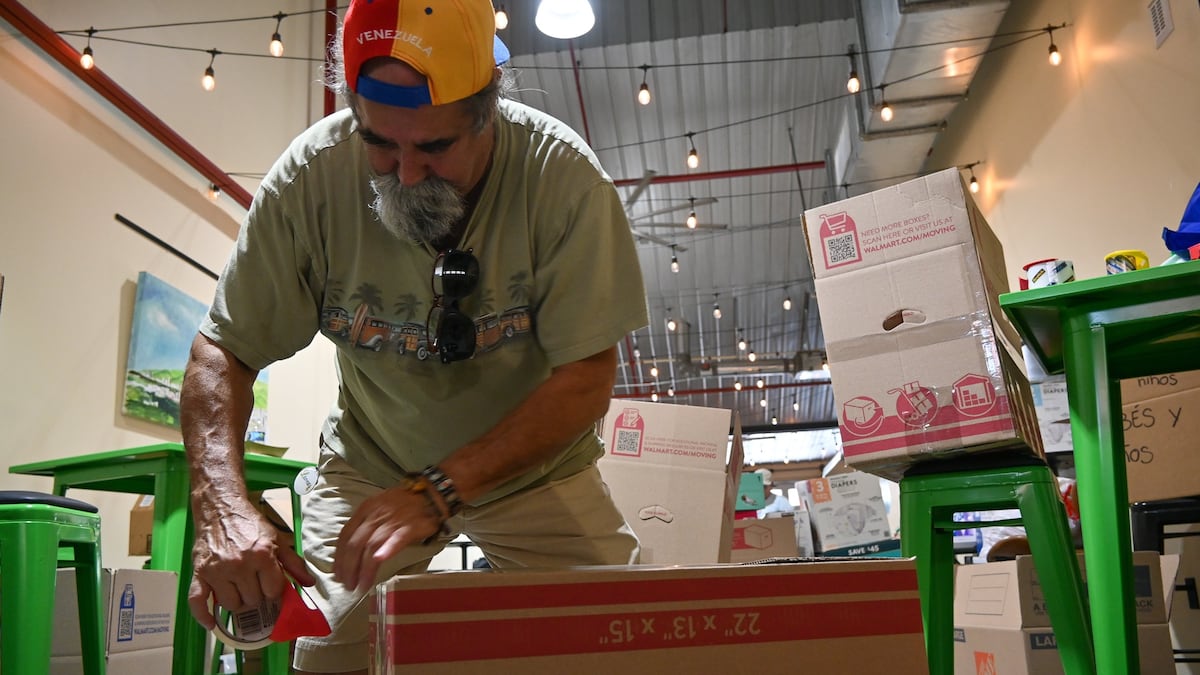
This isn’t just some charity drive; it’s a full-blown transformation. A once-bustling restaurant, “El Patio Caribeño,” which used to dole out heaping plates of plantains and arroz con pollo, has unceremoniously – yet deliberately – shelved its menu. Now, its tables groan under the weight of toiletries, diapers, over-the-counter painkillers, — and school supplies. Not for the folks down the block, but for an entire nation crumbling under an economic and political collapse nearly 2,000 miles away: Venezuela.
You’ve got to wonder. What pushes a small business owner, already navigating New York’s punishing overheads, to swap profit for pure philanthropy? For Mariana Rojas, the proprietor, whose family fled Maracaibo years ago, it’s less a choice, more an inescapable obligation. “We can’t just stand by,” she told a local news outlet, her voice edged with a blend of fatigue — and fierce resolve. “People are dying. My cousins, my aunts—they’re facing daily hell. What kind of person opens restaurant doors to sell food, knowing their family goes hungry, or can’t get basic meds?”
The numbers don’t lie, — and they’re truly grim. The United Nations High Commissioner for Refugees (UNHCR) reports that over 7.7 million Venezuelans have left their country since 2015, making it one of the largest displacement crises globally, often forcing families into neighboring Latin American nations or further afield, desperately seeking safety and sustenance. This exodus, frankly, dwarfs many recent migrations, painting a stark picture of a population voting with its feet, if you will, against a government that just can’t provide.
And so, Rojas’s place isn’t just collecting aspirin. It’s an informal processing hub, coordinating shipments, sifting through donated clothes, ensuring things don’t just get stuck in some dusty warehouse. It’s organized chaos, powered by volunteers, fueled by desperation, and watched closely by folks across the globe who often face similar plights. Consider, for instance, the millions of Pakistanis working abroad—sending remittances that prop up entire local economies back home. Or the Syrian diaspora, spread from Berlin to Bursa, scrambling to piece together aid for their kin caught in a prolonged conflict. This grassroots aid—unorthodox, often unheralded—becomes the fallback when established channels clog or fail outright.
Local elected officials, those often seen as gatekeepers of protocol, seem almost awestruck. “You usually see NGOs, or major international bodies taking on something of this scale,” noted Brooklyn Borough President Antonio Vargas during a recent visit. “But what Mariana — and her team are doing… it’s raw, it’s necessary. It’s a model of immediate response that bypasses the red tape, showing how profoundly interconnected our communities are, no matter the miles.”
But while a cafe owner’s initiative is commendable, it’s also a damning signal. What happens when the weight of an entire nation’s suffering falls onto the shoulders of everyday citizens? “We applaud the incredible humanitarian spirit,” stated Dr. Elena Gomez, spokesperson for ‘Venezolanos Sin Fronteras,’ an advocacy group. “But let’s be clear: this isn’t sustainable. It highlights the international community’s profound failure to address a crisis of epic proportions. Local cafes should be serving coffee, not substituting for collapsing governments or absent multilateral aid.” She’s got a point. It’s not glamorous work, operating effectively as an ersatz embassy relief effort without the budget, the diplomatic immunity, or even a proper cargo plane.
Because, ultimately, these are Band-Aids on a gushing wound. They provide temporary relief, maybe keep a child from starving another day, get medicine to someone critically ill. But they don’t fix the systemic rot that’s caused Venezuela to bleed dry. They don’t force political solutions or economic stability. They merely offer a human face to what would otherwise be just another depressing line item in a foreign policy briefing.
What This Means
This unlikely pivot of a Caribbean eatery into a makeshift humanitarian depot isn’t just a feel-good story; it’s a searing indictment of traditional diplomatic mechanisms. The shift signals a new era where diasporic communities, armed with nothing but compassion and local networks, are stepping into voids left by underfunded international bodies and politically gridlocked governments. Economically, these micro-aid networks operate outside formal GDP calculations but inject lifelines of goods, often bypassing corrupt channels – though they come with their own logistical nightmares and inherent fragility. Politically, it’s a profound vote of no confidence. When people can’t rely on states or global institutions, they turn to their own. This local, ad-hoc altruism might stem immediate suffering, sure, but it also legitimizes a disturbing trend: humanitarian aid increasingly decentralized, relying on the goodwill of a few, rather than the collective responsibility of many. It hints at a future where global crises are managed not through grand summits, but through neighborhood donations and dedicated phone trees, which, while heroic, are a flimsy shield against pervasive geopolitical failures.