


Israel’s Budget Betrays Wounded Veterans
Wounded Israeli veterans feel betrayed as the national budget snubs their critical care needs. Learn why this neglect is a political minefield & economic self-sabotage.

POLICY WIRE — Jerusalem, Israel — The weight of a uniform, they say, often far exceeds its physical threads. It carries a nation’s hopes, its fears, — and the very real possibility of shattered futures. For some in Israel, that weight now feels less like an honor — and more like an inconvenient accounting line. Their nation’s defense budget, they’re finding out, isn’t quite ready to defend them. It’s a bitter pill to swallow for those who’ve spilled blood in uniform, and frankly, it smells a bit rotten from here.
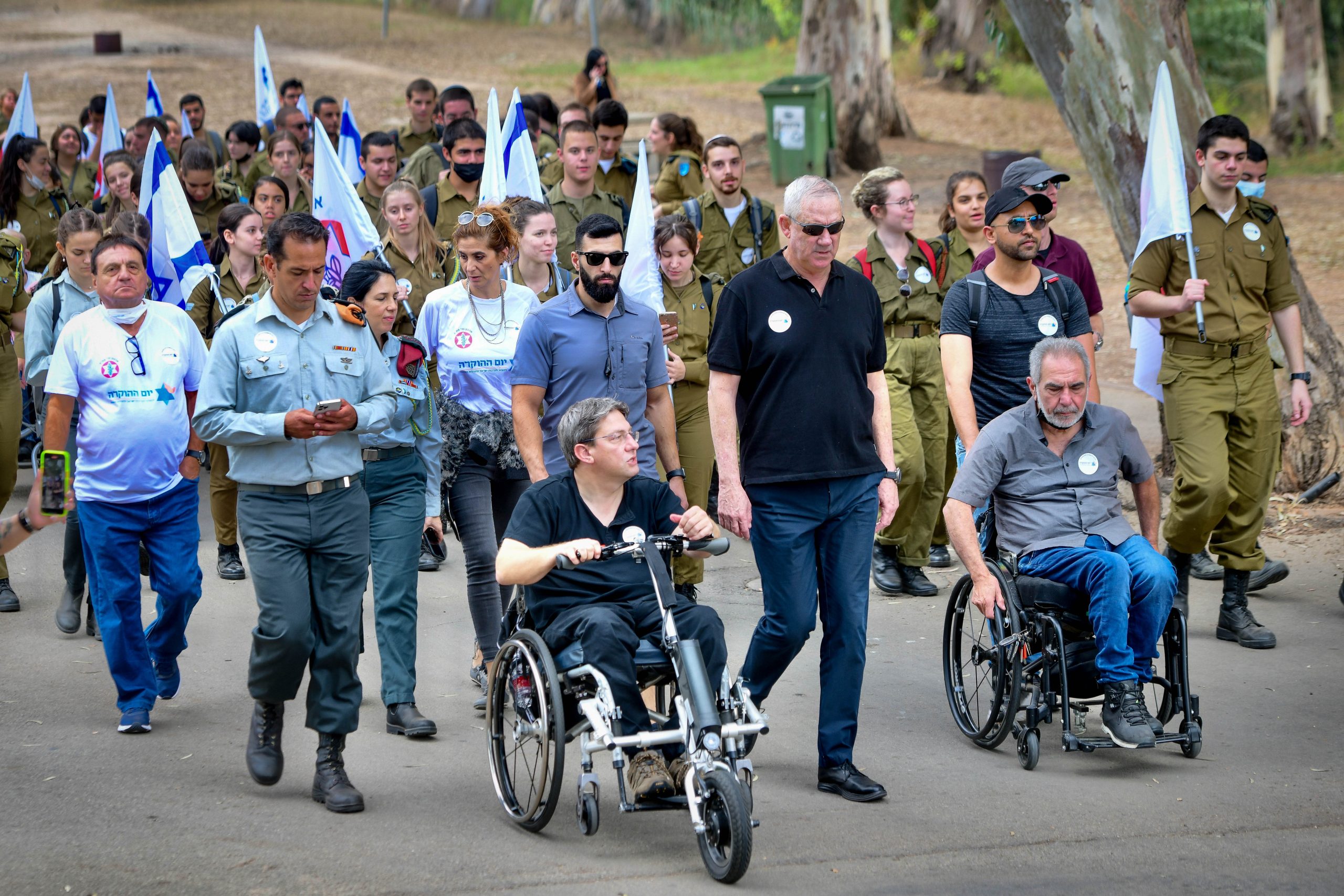
While the country gears up for what some call an unprecedented allocation to its military apparatus — because, let’s be real, conflict isn’t going anywhere in this neighborhood — a silent, yet powerful, alarm bell is ringing. The Israel Disabled Veterans Organization (IDVO) isn’t just tapping their canes, they’re banging on the gates. They warn of a “national disaster” looming large, accusing the powers that be of systematically leaving its most vulnerable ex-servicemen and women out in the cold. It’s a classic move, isn’t it? Lionize them when there’s a camera, forget ’em when the treasury talks.
But this isn’t just about money, is it? It’s about a deeply unsettling calculus: a society’s perceived strength against an undeniable obligation to those who served. We’re talking about comprehensive, life-altering care—not just a pat on the back. These folks aren’t looking for handouts; they’re fighting for what was implicitly promised when they donned that uniform.
“To see veterans, who lost limbs, sight, or peace of mind defending this very land, suddenly treated as an afterthought in the national ledger is, quite frankly, a betrayal,” stated Major General (Res.) Isaac Ben-Dor, a vocal advocate for veterans’ rights, during a recent radio interview. He didn’t mince words. “We can’t ask them to sacrifice everything — and then tell them the till’s empty for their rehabilitation. That’s not just fiscally irresponsible; it’s morally bankrupt.” His outrage? It’s palpable.
And it’s a sentiment echoed across a spectrum of political discourse. Defense Minister Yoav Gallant, always the pragmatist (or so he projects), seemed to acknowledge the outcry, albeit with a healthy dose of political maneuvering. “We’re navigating complex security challenges that demand robust defense spending. Every shekel is weighed,” Gallant said in a tightly controlled press briefing, his voice devoid of warmth. “However, our commitment to those who served remains absolute, and we’re working to ensure their needs are addressed within the budgetary frameworks.” You could almost hear the caveat in that last phrase, couldn’t you? It sounded like the usual, don’t you think?
This situation isn’t entirely unique. Many nations grapple with balancing immediate security needs against long-term social welfare, especially when they exist in perpetually contested zones. Look at some of the economies in the wider Middle East or South Asia—Pakistan, for instance. Decades of heavy military expenditure and sustained engagement in conflicts, whether internal or external, often leave significant sectors of their veteran populations struggling, their needs sidelined for what are deemed ‘higher priorities’ of defense. It’s a familiar song, just with different instruments.
According to Ministry of Welfare data from 2023, approximately 18% of disabled veterans in Israel require consistent, specialized psychological care, yet funding for such programs hasn’t kept pace with demand or demographic shifts. That’s a significant chunk of people struggling—a ticking social bomb, if you ask some medical professionals. Because, you know, trauma doesn’t just evaporate when the war ends; sometimes it intensifies.
What This Means
The exclusion of disabled veterans from the defense budget isn’t just a bureaucratic snafu; it’s a political minefield and an economic self-sabotage. Politically, it signals a disturbing disconnect between rhetoric — and reality. It can erode public trust in the government’s capacity to care for its own, especially those who make the ultimate sacrifices. You see this kind of narrative play out over and over, sometimes even impacting larger narratives, like Jerusalem’s moral reckoning. Any leader who overlooks such a core demographic—a politically active and emotionally resonant one—does so at their own peril, particularly in a nation where military service is virtually universal.
Economically, the short-sighted savings now will translate into far greater costs down the line. Neglecting rehabilitation and ongoing care leads to worsening health outcomes, increased reliance on other public services, higher unemployment among veterans, and a general drag on the economy from a population segment that, with proper support, could remain productive. It’s penny wise — and pound foolish, as the old saying goes. Plus, it sends a chilling message to potential future recruits. Why volunteer to serve if you know you might just become another discarded budget line?
The IDVO’s warning isn’t simply hyperbole. It’s a stark reflection of a nation grappling with the tangible cost of perpetual conflict—a cost that isn’t always tallied in munitions or deployments, but in the unseen battles fought daily by its injured heroes. And it’s a battle, some might argue, Israel isn’t winning on the home front.