

Cricket’s Political Pitch: Bangladesh Walks Tightrope Ahead of Marquee India Series
POLICY WIRE — Dhaka, Bangladesh — The humid air over Dhaka usually thrums with anticipation for a high-profile cricket clash. But this time, it’s laced with a different kind of tension. As whispers...

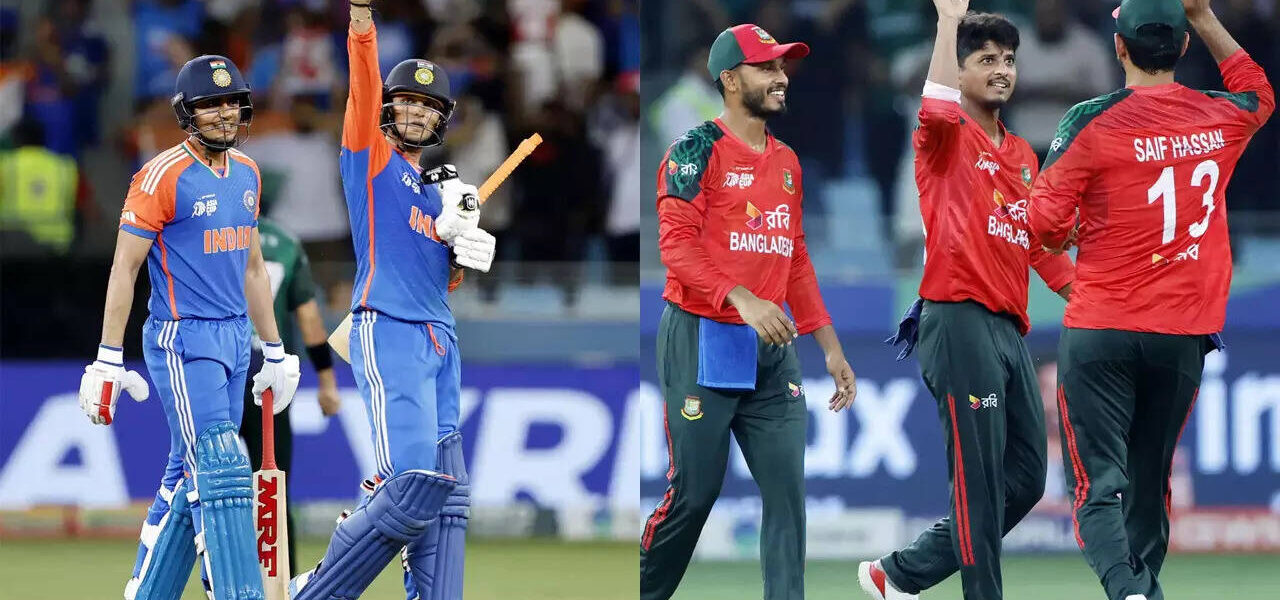
POLICY WIRE — Dhaka, Bangladesh — The humid air over Dhaka usually thrums with anticipation for a high-profile cricket clash. But this time, it’s laced with a different kind of tension. As whispers turn to confirmation about a potential T20 International series featuring the powerhouse Indian squad, Bangladesh finds itself bracing not just for the spectacle on the pitch, but for an intricate dance of diplomacy and — let’s be honest — the kind of security apparatus usually reserved for visiting heads of state, not star batsmen.
It’s never simply ‘just cricket’ in South Asia. No, it’s far more than that. The sport, particularly when India and Bangladesh meet, becomes a barometer of regional sentiment, an economic engine, and, for host nations, a diplomatic tightrope walk. Bangladeshi officials, perhaps a little too eagerly, are already laying out plans for an extraordinary security detail. We’re talking enhanced surveillance, dedicated escorts, robust perimeter controls — the works. All for a series that hasn’t even been formally scheduled.
The urgency stems from past incidents, sure. And a broader, palpable undercurrent of instability that seems to perpetually hum beneath the surface of the subcontinent. “We understand the immense importance of hosting a team like India,” stated Dr. Shirin Sharmin Chaudhury, Speaker of the Bangladesh Parliament, in a recent, somewhat pointed, public address. “Our commitment to player safety is absolute. This isn’t just about cricket; it’s about showcasing our capability as a secure and welcoming nation, a message we believe resonates across the Muslim world.” Her tone was firm, unwavering. She gets it. They all do.
But beyond the pronouncements of readiness, there’s a subtext. A lingering memory, perhaps, of previous foreign team boycotts or security scares. Bangladesh knows it needs to perform flawlessly off the field as much as it hopes its team performs on it. The financial implications alone are enough to justify the extraordinary measures. Major tournaments in the subcontinent can generate hundreds of millions of dollars in economic activity through broadcasting rights, sponsorship, and tourism. In fact, a recent report by SportsPro estimated that the 2023 ICC Cricket World Cup, held in India, delivered an economic impact of approximately $1.2 billion for the host nation alone. This isn’t pocket change, not for any economy.
“Player well-being is paramount for us,” declared Jay Shah, Secretary of the Board of Control for Cricket in India (BCCI), speaking earlier this year on the general conditions for international tours. “We maintain strict protocols, — and we expect nothing less from host boards. The global game’s integrity depends on it.” His words, while boilerplate, carried a thinly veiled reminder of the BCCI’s significant influence — some might say overwhelming — in regional cricket.
📄 POLICY WIRE WHITEPAPER PUBLISHED: PAKISTAN'S NATIONAL SECURITY POLICY PRIORITIES
👉 READ BY CLICKING HEREBecause, frankly, losing an India series, or even having it jeopardized by security concerns, would be a crushing blow. For Bangladesh’s cricket board, it’d mean millions in lost revenue. For the government, a dent in national pride — and a missed opportunity to project an image of stability and modernity. It’s a classic Catch-22: host the lucrative, politically charged series, and potentially face heightened risk; or decline, and miss out on the soft power and hard cash. And the reverberations? They extend throughout South Asia, where the relationship between sport — and geopolitics is rarely far from the surface. Just look at the enduring political overtones when FIFA grapples with internal controversies — the intersection of power and play is global, but acutely sensitive here.
What This Means
This impending series, even if still somewhat speculative, is far more than just a contest of bats — and balls. Politically, it’s a high-stakes demonstration of Bangladesh’s sovereign capacity to manage an event of global interest without incident. Success could solidify Dhaka’s regional standing — and attract further high-profile sporting events. Failure, well, that’s another story entirely—it’d feed into narratives about regional instability, potentially impacting investment and international relations. Economically, the infusion of capital, through broadcast deals, sponsorships, and tourism, provides a much-needed boost, creating jobs and stimulating local economies. But a misstep, any perceived threat to player safety, could trigger an immediate withdrawal by teams and, consequentially, significant financial losses. For both nations, there’s an underlying push and pull: India’s sporting diplomacy wields considerable influence, while Bangladesh aims to assert its readiness on a world stage, proving it’s more than capable of handling the scrutiny. It’s a calculated risk for Bangladesh, but one they apparently feel they can’t afford not to take, especially given the opportunities it presents to engage a massive audience, extending into Pakistan and beyond, in the larger Muslim world that fervently follows the sport. Much like how Messi’s World Cup photo became a symbol of global soft power, this series, for Bangladesh, could become a powerful statement.
The underlying message, though subtle, is clear: Bangladesh is open for business, even under the watchful, scrutinizing eye of an anxious neighbor and a global cricketing audience. Let’s just hope the cricket matches are half as gripping as the pre-game security chatter.