

Deion Sanders’ Comeback: Swagger, Cancer, and the Relentless Business of College Football
POLICY WIRE — Frisco, Texas — The gladiatorial arena of college football rarely accommodates vulnerability. It demands grit, wins, — and an unshakeable facade, especially from its generals. Yet,...

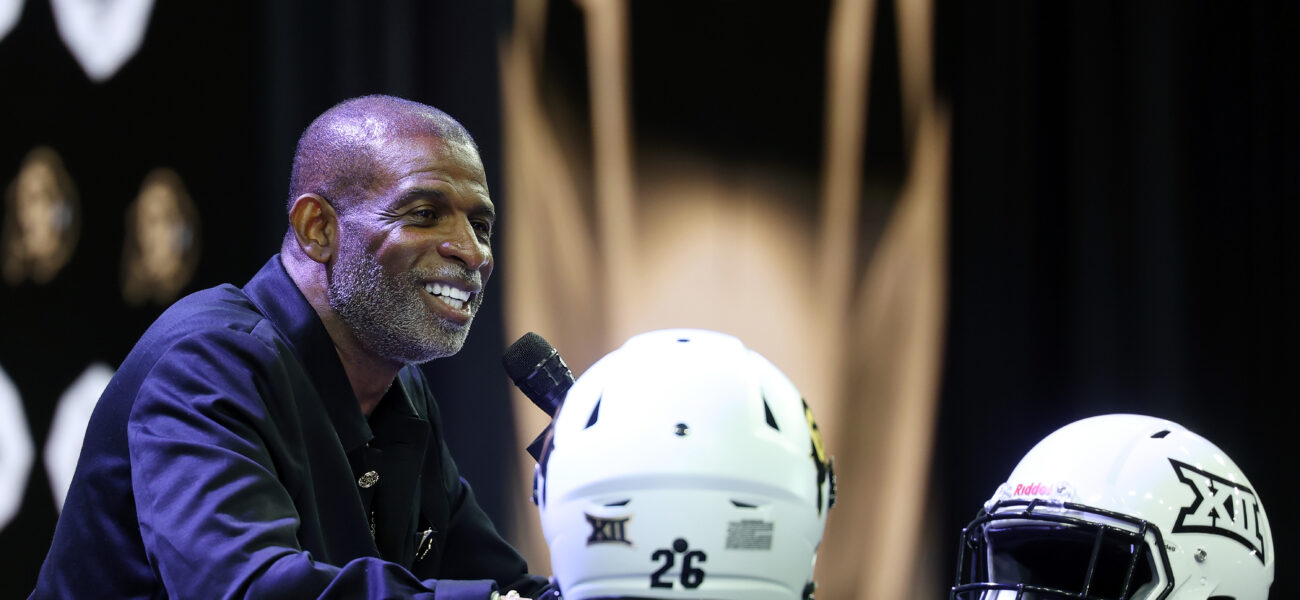
POLICY WIRE — Frisco, Texas — The gladiatorial arena of college football rarely accommodates vulnerability. It demands grit, wins, — and an unshakeable facade, especially from its generals. Yet, tucked amidst the boilerplate bravado and predictable optimism of Big 12 Media Days, a startling admission surfaced from Deion Sanders—a confession about the very human cost of leading a Division I program, especially when battling a silent, ruthless opponent.
It wasn’t the typical rah-rah speech; frankly, it was something far more potent. Sanders, a figure accustomed to dominating every frame he enters, quietly revealed how his arduous fight with bladder cancer and subsequent removal of the organ last year had profoundly impacted Colorado’s dismal 2024 campaign. Not with an apology, mind you, but with a hard look in the mirror—a self-assessment rare in a profession that thrives on deflection.
Colorado stumbled to a painful 3-9 record last season, according to NCAA records via ESPN, finishing an embarrassing 1-8 in Big 12 play. Most of the chatter, you’ll recall, swirled around an inexperienced roster or systemic deficiencies. But Sanders? He owned it. “Look, last year? It was a blur,” Sanders didn’t mince words, his usual showman’s gleam replaced by a steely determination. “My mind wasn’t on the field like it needed to be. You can’t lead men into battle when your own body’s staging a rebellion. But that’s done, sealed up, delivered. We’re on a new path, no excuses.”
The man they call Coach Prime spent chunks of the crucial pre-season away from the team and, even when present, admitted he lacked the “quickness” of thought, the intuitive snap-decisions that separate mere coaches from culture-shifting leaders. It wasn’t about physical presence alone; it was about mental acuity, that razor-sharp focus necessary to navigate the shark tank that’s top-tier college athletics. He spoke of “holes” he saw but “didn’t make the adjustments on.” A powerful acknowledgment for a man whose personal brand is built on unflappable confidence.
But the narrative this week was less about post-mortems — and more about resurrection. “Now I’m here with full strength, full energy,” Sanders declared, the swagger unmistakable in his tone now. “I got that thing back. I got that swagger back. I got that dog back. I got that charisma back.” You could almost hear the coffers at the university filling as he spoke. This isn’t just a coach talking about football; this is a brand ambassador reassuring investors — alumni, recruits, television networks — that the product is viable, even vibrant, once more.
For a figure as prominent as Sanders, every move, every word, every health update becomes public property. This kind of intense public scrutiny on the personal life and physical well-being of a highly visible leader resonates globally. It mirrors the relentless media focus and public pressure often faced by high-profile personalities in countries across South Asia — think national cricket captains or prominent politicians in Pakistan or India — where any perceived weakness, be it health-related or professional, is magnified, analyzed, and frequently weaponized. It’s a high-stakes campaign played out under an unforgiving spotlight, much like “Cricket’s Political Pitch: Bangladesh Walks Tightrope Ahead of Marquee India Series.”
The university, it seems, isn’t just rooting for a winning record; they’re banking on a full-strength Prime Time. “Coach Sanders’ resilience, frankly, it’s inspiring,” Rick George, Colorado’s Athletic Director, confided to Policy Wire. “We backed him through everything, — and frankly, you can’t put a price on the passion he brings. The commitment here, it’s never been stronger. We believe in the process, and we absolutely believe in him.” That belief, of course, has a tangible return-on-investment expectation. After all, what’s the point of bringing a supernova to Boulder if he’s running on fumes?
What This Means
The return of Deion Sanders’ self-proclaimed “swagger” isn’t just about improved football performance; it’s a critical political and economic declaration for the University of Colorado. In the high-stakes ecosystem of college sports, head coaches like Sanders are far more than tactical strategists; they’re public facing CEOs, brand ambassadors, and talent magnets. His candid admission regarding his health — and now his confident assertion of being “back” — directly impacts the university’s political capital and financial bottom line. Politically, a healthy, energetic Sanders reinforces stability, attracting top recruits and satisfying influential donors and alumni who expect a dynamic leader at the helm. It manages expectations, turning last season’s regression into a temporary, understandable setback rather than a long-term failure.
Economically, Sanders is a financial engine. His presence generates massive media interest, which translates into lucrative television contracts for the Big 12 conference, increased merchandise sales, higher ticket prices, and a palpable buzz around the university that can even boost applications. When he publicly states he wasn’t “100%,” it implicitly suggests a potential discount on the Sanders “product.” Now, proclaiming his “swagger” is restored, he’s effectively signaling a full-price, high-return investment for stakeholders. The institution and the surrounding Boulder economy stand to gain significantly from a re-energized Coach Prime, both on and off the field.