


Big 12’s Gridiron Gambit: UCF Faces Steep Odds as Commerce Trumps Pigskin Purity
POLICY WIRE — Frisco, Texas — The summer sun beating down on Frisco, Texas, isn’t just heating up the tarmac; it’s baking a potent stew of ambition, corporate dollars, and athletic...

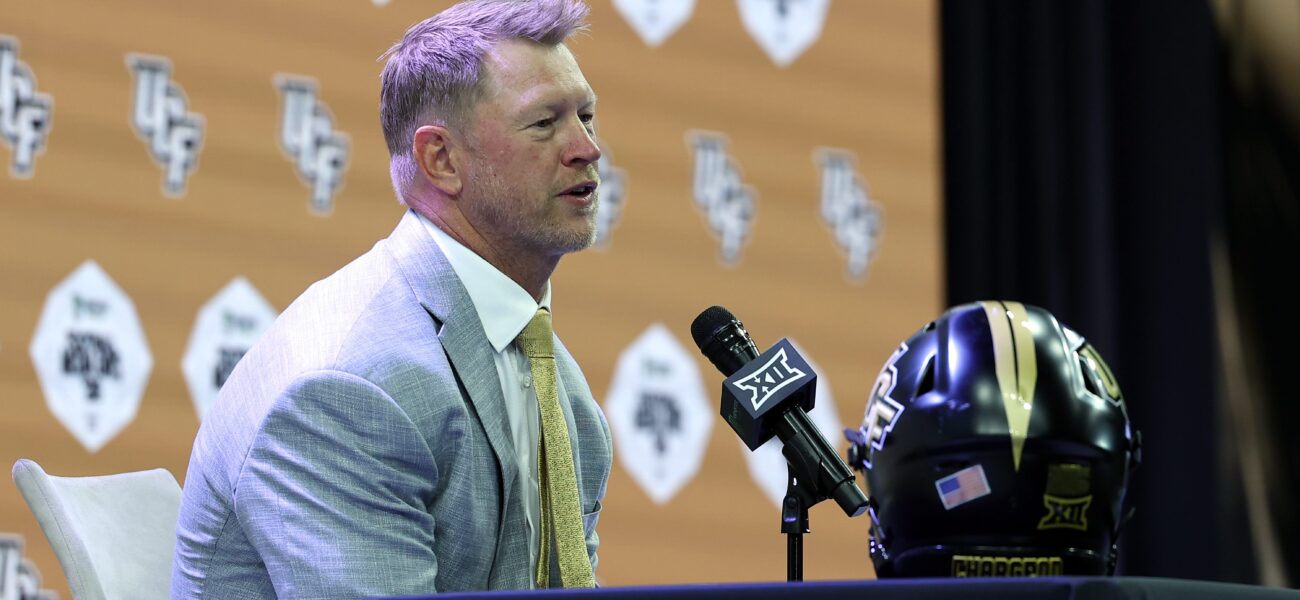
POLICY WIRE — Frisco, Texas — The summer sun beating down on Frisco, Texas, isn’t just heating up the tarmac; it’s baking a potent stew of ambition, corporate dollars, and athletic desperation. For two sweltering days each July, this gleaming Dallas suburb—specifically The Star, the Dallas Cowboys’ gilded HQ—becomes college football’s carefully choreographed proving ground. It’s a place where coaches, looking both weary and perpetually optimistic, trot out their players, all eager smiles and boilerplate assurances, before a hungry press corps. But look past the stage-managed photo ops, past the rehearsed declarations of ‘this is our year,’ and you find a stark reality: this isn’t just about the joy of the game anymore. This is big business.
Take the University of Central Florida (UCF), for instance. The Knights showed up to this media carnival fresh off a lukewarm 5-7 season. And most of the folks keeping score, like the handicappers at FanDuel Sportsbook, aren’t exactly bullish on their prospects for returning to North Texas this December with a championship in mind. They’re giving UCF 40-to-1 odds for a conference title run, ranking them above only a few others in a newly expanded, gargantuan Big 12.
Head coach Scott Frost, a man who knows a thing or two about the rough and tumble of the Big 12 from his playing days at Nebraska, walked a tightrope of realism and pep talk. He’s seen how things morph, especially with all the chatter around expanding the College Football Playoff (CFP). But he insists on maintaining a purist’s appreciation for winning the whole dang conference. He sounded a bit like an old-school pugilist – resigned, perhaps, but still ready for the next round. “You just gotta roll with the punches,” Frost mused when pressed on the CFP expansion. But then, a flicker of indignation: “BYU got penalized, I think, for some tough losses to top-five teams, didn’t get a shot.” A system always looking for bigger paydays sometimes overlooks actual achievement, don’t you think?
Then there’s quarterback Alonza Barnett III, stepping into an incredibly awkward spotlight after missing spring practices. He was sidelined, yes, but he’s here now, telling reporters exactly what the fanbase—or perhaps the boosters—wanted to hear: “Right after spring ball, I got right back into it, working out with the guys. I’ve been full-go.” It’s a testament to the brutal competitiveness that even getting your starting QB on the field for pre-season feels like a hard-won victory. And it says something about the stakes for an institution whose football program can be a major branding engine.
But college football, particularly at the Power Four level, is rapidly evolving into a hyper-commercialized venture, echoing the global scale of other sports enterprises. And this evolution isn’t lost on the conferences. The Big 12, for its part, just inked a multi-year partnership with Monster Energy, the purveyor of high-octane beverages. This deal, reportedly worth a cool $20 million annually, according to the Sports Business Journal, will slap co-branded patches on jerseys and emblazon logos across stadiums. It’s a strategic play to connect with a younger demographic—the very same audience consuming energy drinks, streaming games, and probably a fair bit of content where these sorts of partnerships are now commonplace, much like how cricket leagues in Pakistan and across South Asia increasingly leverage brand associations to tap into their immense fanbases. Commissioner Brett Yormark framed it in predictably expansive terms: “Monster Energy is a global, culturally relevant brand that aligns with who we’re and where we’re going.” Of course, it’s. But what it really means is more cash flow—around $1 million per year for each school.
The road for UCF won’t be easy. After a brutal 0-5 record in away games last season, Lewis Carter, the linebacker, didn’t mince words. “We didn’t have a road-game win last year. I’m looking forward to that.” His words hung in the air—a terse summary of an Achilles’ heel that must be corrected. Because wins, especially on the road, mean visibility, — and visibility means revenue. They’re trying to turn a sputtering engine into a high-performance machine, not just for pride, but for the balance sheet.
What This Means
This whole spectacle, from Frost’s cautious optimism to Barnett’s measured enthusiasm and the towering Monster Energy branding, paints a picture of a sport grappling with its identity. It’s no longer merely an amateur pursuit; it’s an entertainment industry with professional-level finances. The debate around CFP expansion isn’t just about fair play; it’s a geopolitical tussle among conferences vying for a bigger piece of a lucrative pie. Each additional team means more TV slots, more marketing opportunities, and, ultimately, more dollars for athletic departments. It means a conference like the Big 12, keen to assert its market dominance, pushes for formats that give its members every shot at the playoff’s massive payouts.
And the Monster Energy deal? That’s not just a sponsorship; it’s a bold declaration about the target market — and the future of college athletics. The Big 12, expanding aggressively, isn’t content to simply play football; it’s cultivating a lifestyle brand, pushing deeply into spaces that resonate with younger consumers. Deion Sanders’ flamboyant embrace of brand building at Colorado is just one high-profile example of this accelerating trend. But for an individual program like UCF, battling unfavorable odds, it means the pressure is on. The university isn’t just competing on the field; it’s vying for a share of this expanded revenue stream, justifying its place in the league by performing both athletically and as a marketable entity. Failing to do so carries real economic consequences for future recruitment, facility upgrades, and overall institutional prestige. Because in this brave new world, the games might be played with leather helmets and shoulder pads, but the real battles are waged with spreadsheets and corporate sponsorships.