

Azteca’s Fall: England’s Gutsy Upset Forces Mexico Into Stark Reappraisal
POLICY WIRE — Mexico City, Mexico — Estadio Azteca, usually a cathedral of unyielding Mexican pride and an outright fortress for its national football squad, just witnessed something unthinkable. It...

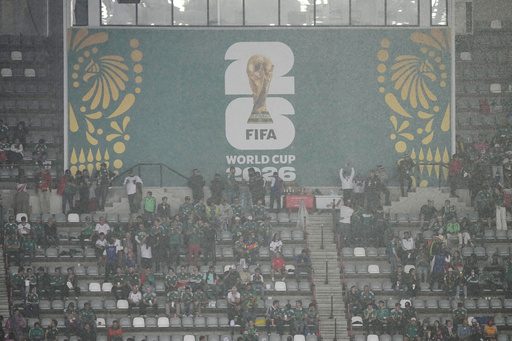
POLICY WIRE — Mexico City, Mexico — Estadio Azteca, usually a cathedral of unyielding Mexican pride and an outright fortress for its national football squad, just witnessed something unthinkable. It wasn’t the searing midday sun that surprised the 80,000-plus faithful Sunday night. It was England, of all nations, tearing down Mexico’s formidable, generation-spanning invincibility on home turf with a nervy 3-2 victory. And the aftershocks? They’re shaking more than just the pitch.
No, this wasn’t some friendly exhibition. This was a World Cup quarter-final berth on the line, and England, after a performance that ping-ponged between brilliant and baffling, snatched it. They’re off to face Norway in Miami Gardens, Florida—quite a change of scenery from Mexico City’s mile-high embrace. But that’s a problem for next Saturday.
For now, the story’s how Jude Bellingham, that English prodigy, ripped the heart out of the Azteca just minutes before halftime. Two goals, barely 98 seconds apart. One minute, a header—pure athletic poetry—the next, a clinical finish after Harry Kane threaded the needle. He wasn’t just scoring goals; he was chipping away at a national myth. Mexico hadn’t lost a World Cup match here. Not ever. And suddenly, two lightning strikes later, they were looking squarely at a deficit, a stunned silence slowly morphing into something more guttural across the stadium.
Julián Quiñones clawed one back for El Tri in the 42nd minute. A flicker of hope. But then, the melodrama dialed up. England’s defender, Jarrell Quansah, saw red in the 54th for a tackle some might call rash, others outright dangerous. Down to ten men. Any sensible football narrative suggests the scales should’ve tipped decisively toward Mexico right then, doesn’t it?
But they didn’t. Because a minute later, Mexico’s goalkeeper Raúl Rangel made a mistake, gifting England a penalty. Kane, England’s captain and a man currently in the Golden Boot race—only one behind titans like Lionel Messi and Kylian Mbappé—slammed it home. His sixth goal of this tournament, his 14th career World Cup tally, putting him in rarefied air alongside Gerd Müller. Just as things stabilized, Kane managed to perform a truly unique feat: he committed a foul that gave Mexico a penalty. Official tournament data confirms he’s the first player since at least 1966 to both score and concede a penalty in a World Cup fixture. Raúl Jiménez stepped up, stutter-stepped, — and converted. 3-2. Game on. Again. Still. Whatever you call this wild ride.
The final 21 minutes, plus a frantic 11 minutes of stoppage time, saw Mexico throw absolutely everything at Jordan Pickford’s goal. Waves of green shirts, the crowd a roaring beast. But England, grim and resolute, held on. Just barely. This wasn’t pretty. It wasn’t textbook. But it was a win.
“We’ve consistently emphasized the psychological fortitude required at this level of competition,” stated Gareth Southgate, England’s manager, reflecting on the win. “Even when the circumstances shift dramatically, as they did tonight, believing in your tactical structure—and in each other—becomes paramount. It’s a testament to the grit we’re cultivating.” It’s a clean assessment, bordering on understated, considering what just transpired.
📄 POLICY WIRE WHITEPAPER PUBLISHED: PAKISTAN'S NATIONAL SECURITY POLICY PRIORITIES
👉 READ BY CLICKING HEREMeanwhile, for Mexico, the sting is profound. Their long-standing inability to pass the round of 16—a painful streak dating back to their 1986 hosting—just got a fresh, deeply unwelcome chapter. Even when the stars align, they’ve often stumbled. “This defeat isn’t just about football; it’s about a nation’s spirit,” reflected Elena Torres, Mexico’s Minister of Culture and Sport, her voice thick with palpable disappointment. “We invest heavily, we train relentlessly, we harbor dreams as vast as our ancient pyramids. When those dreams are—again—dashed at home, it compels a rigorous introspection into our sporting policies, our youth development pathways, even the very national identity tied to this beautiful game.”
What This Means
England’s hard-won triumph, while propelling them deeper into the tournament, does more than just fill a bracket slot. For Mexico, it’s a moment of searing national reevaluation. Their almost sacred relationship with Estadio Azteca, a symbolic bastion of sporting invincibility, has been irrevocably altered. This isn’t merely a football loss; it’s a direct challenge to a cherished part of national identity, similar in emotional heft to how fans across South Asia, from the cricket-mad streets of Lahore to the fervent football followers in Jakarta, absorb such monumental sporting setbacks. The economic implications aren’t lost either. Host nation prestige and future bids for major events often hinge on such perceived invincibility and, conversely, on how deeply a defeat is internalized and acted upon.
Policy-wise, expect calls for deeper inquiries into Mexico’s football development programs. Nations pour billions into sports not just for entertainment, but for soft power, for national cohesion. When that investment fails to deliver results, particularly on home soil, political figures often find themselves needing to justify the spending, to reassure a frustrated populace. And this pressure will inevitably trigger policy shifts, potential overhauls in management, and renewed calls for accountability, something that reverberates through government offices much like the roar of the crowd did through the Azteca stands.
Beyond the local dynamics, this game further cements England’s burgeoning reputation for grit under pressure, a characteristic admired—and sometimes begrudgingly respected—across global sporting cultures. It’s a narrative that policymakers — and diplomatic envoys subtly leverage, too. The international media will, and already has, dissected every aspect of this shocking upset, framing it within broader political and economic contexts, much like Policy Wire covered the political subtext of past World Cup showdowns. But a performance like this, teetering on the edge of disaster for large parts, might have its own internal costs for the English squad down the line, potentially raising questions about their strategic depth against more consistent, disciplined adversaries.
For now, however, the English breathe a collective sigh of relief. And Mexico? Mexico grieves. And then, it strategizes.