


Silent Stunner: England Cracks Azteca Fortress, Ends Mexican World Cup Dream
POLICY WIRE — Mexico City, Mexico — For eighty thousand souls gathered at Estadio Azteca, the familiar roar had morphed, almost imperceptibly, into a choked, disbelieving hush. The grandest stage in...

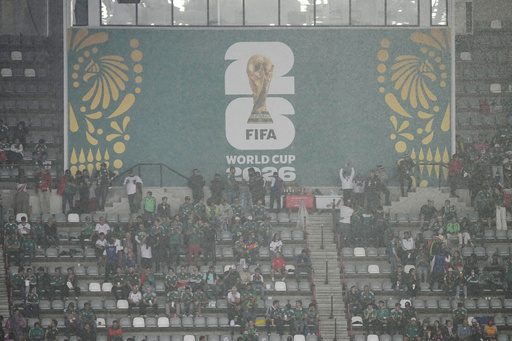
POLICY WIRE — Mexico City, Mexico — For eighty thousand souls gathered at Estadio Azteca, the familiar roar had morphed, almost imperceptibly, into a choked, disbelieving hush. The grandest stage in Mexican football, long considered an impenetrable sanctuary for the national side, witnessed its sanctity—its very myth—shattered this past Sunday night. It wasn’t just a defeat; it was a cultural affront, an unpicking of a forty-year narrative, delivered ruthlessly by an England squad that simply refused to bend. And just like that, Mexico’s quarterfinal drought continues, their fortress finally breached.
No one really saw this coming. Certainly not the raucous, expectant crowd that had seen their squad perform flawlessly on this ground for years. Then Jude Bellingham struck. Twice. So quickly—ninety-eight seconds, if you’re counting—that many were still processing the first blow when the second landed. Bellingham scored on a header in the 36th minute — and again in the 38th on a pass from Kane. It was audacious. A gut punch that had Mexico scrambling, the festive atmosphere quickly turning sour. Julián Quiñones managed to pull one back for El Tri in the 42nd minute, igniting a flicker of hope, but the damage was already done. You could feel the air thicken with anxiety. [QUOTE_PLACEHOLDER]
Then, the game went completely sideways, becoming a proper mess. England’s Jarell Quansah got sent off in the 54th minute for a dangerous foul on Jesús Gallardo, turning the English side into ten men. Most pundits would tell you that’s a death knell away from home in a World Cup knockout match. But life, — and football, rarely follow the script. England was awarded a penalty for a challenge by Mexico goalkeeper Raúl Rangel, — and Harry Kane stepped up. He converted for his sixth goal of this tournament, his 14th of his World Cup career. That put him on par with Gerd Müller of West Germany on the scoring list, quite the company for England’s captain. But just minutes later, in a stunning twist of fate—an almost darkly comical display of cosmic balance—Kane then committed a foul that gave Mexico a penalty. He’s the first player since at least 1966 to score and concede a penalty in a World Cup game, according to AP data. Raúl Jiménez took the kick with a stutter-step approach, cool as you like, moving El Tri within 3-2.
The final twenty-one minutes, plus a gruelling eleven minutes of stoppage time, saw Mexico attack relentlessly. It was a wave of green — and white, pushing, probing, trying to find that one crack in the English wall. But goalkeeper Jordan Pickford — and England’s defenders held steady. They weathered the storm, showing a grit that surprised even their staunchest supporters. What a chaotic, nail-biting finish.
For Mexico, the wound runs deep. This particular venue, Estadio Azteca, had seen them through 10 World Cup matches without a loss before Sunday, a true sanctuary. Their long quest for a quarterfinal berth has now become something of a national curse. Since hosting the tournament in 1986, they’ve lost in the round of 16 eight times, didn’t get past the group stage in 2022, and were even banned from the 1990 tournament. It’s a psychological hurdle that seems to loom larger with each passing competition. You can sense a collective sigh of despair echoing through the country.
And you know, this kinda dramatic sporting event has global ripple effects far beyond just Mexico — and England. Look at countries in the South Asian and Muslim worlds, places where football, while perhaps secondary to cricket in some nations like Pakistan, has truly taken root over the past two decades. They’re equally invested in these narratives of underdog triumph, the agony of defeat, or the rise of new heroes. The sheer emotional investment transcends borders. Fans in Karachi or Cairo aren’t just watching for the sport; they’re connecting to a universal human story of striving and failing—sometimes spectacularly, as was the case for Mexico.
What This Means
This match isn’t just a sports footnote; it carries significant political — and economic weight. For Mexico, the inability to break through the quarterfinal barrier becomes an enduring national narrative. We’re not talking merely about athletic failure; this becomes a point of introspection, even critique, often directed at sporting federations, coaching, and sometimes, the broader political infrastructure seen as hindering national progress. A team’s success can offer a unifying national distraction from economic woes or political turbulence, a much-needed morale boost. This loss? It’s another layer on an already complex national psyche.
Conversely, for England, this gritty victory—especially with ten men fighting to hold on—will resonate with a narrative of resilience and defiance. Such triumphs, particularly on a global stage, feed national pride — and can subtly bolster public confidence. Economically, advancing deeper into the tournament means more media coverage, potentially more tourism interest for future host cities (should they win), and increased merchandise sales. Their next challenge against Norway promises another clash of titans, with Erling Haaland being the name on everyone’s lips. Haaland Delivers Cold Shock: Norway Ousts Brazil in World Cup Upset is a headline England’s strategists are no doubt studying intensely.
The geopolitical soft power inherent in such sporting spectacles is often overlooked. A nation’s athletic performance contributes to its international image, its ‘brand’ on the world stage. Mexico’s repeated stumbling in the knockout rounds, while not diminishing its global standing directly, certainly creates a persistent undercurrent of unfulfilled potential. England’s push forward, however, strengthens its sporting identity, even in the face of controversy — and tight calls.