


Vini Jr. Contract: Real Madrid’s High-Stakes Gamble
Vinicius Jr.'s contract standoff with Real Madrid is a high-stakes gamble. Unpack the club's strategy, Vini's rising value, and global football implications.

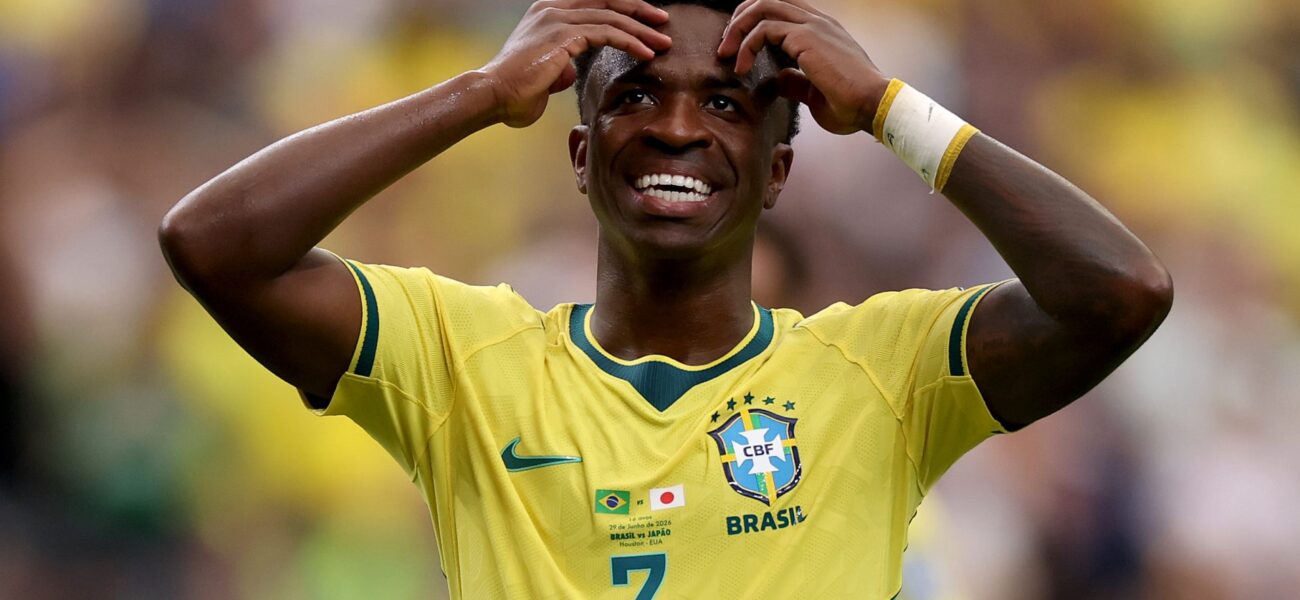
POLICY WIRE — Madrid, Spain — The footballing world watches, rapt, as Vinicius Jr. electrifies the FIFA World Cup. His every swivel, every blistering sprint, every goal seems to scream ‘superstar.’ Yet, back in Madrid, at the storied Real campus, the temperature remains resolutely glacial. There’s no panic, no frantic calls; just the unsettling calm of a club seemingly unbothered that one of the planet’s most incandescent talents—arguably now in his prime at 25—is navigating the business end of his contract without resolution.
It’s an almost theatrical display of Real Madrid’s ingrained philosophy: the institution always, always outranks the individual. But beneath this cool façade, a subtle tension builds. The club says they’re relaxed. And Vini—that’s what they call him—reportedly told his Brazilian teammates he isn’t going anywhere. But saying it — and signing it are different ballgames, aren’t they?
Because while Vinicius lights up stadiums on the global stage, amplifying his value with every highlight reel moment, Real Madrid’s boardroom maestros, led by the enigmatic Florentino Perez, operate from a position of almost imperial detachment. They’re playing the long game, betting on the player’s affection for the white shirt, or perhaps on his fear of moving elsewhere before the dust settles. It’s a gamble, plain — and simple, even for a club that can almost print money.
Perez, the undisputed architect of Real’s modern era, holds the key. He’s always cultivated personal relationships with his marquee signings, a calculated charm offensive. Vinicius has, indeed, appreciated the presidential patronage. But even pater familias patience has its limits when millions, — and careers, hang in the balance. “Real Madrid doesn’t negotiate with sentimentality, but with a clear vision for sustainable success,” Perez is believed to have privately relayed to his inner circle. “Our club’s legacy is built on a framework that transcends individual brilliance, even for a player as exceptional as Vinicius.” That’s the sort of unwavering resolve that’s built dynasties, but it doesn’t always soothe frayed nerves.
But the numbers speak volumes. Transfermarkt, the authoritative source for player valuations, currently pegs Vinicius Jr.’s market worth at a staggering €180 million. That’s a hefty chunk of change, making his contract situation less about a mere signature and more about a declaration of long-term economic strategy and power projection in the global sports market.
The murmurs from the Valdebebas training ground are intriguing, too. Officials reportedly scratch their heads, wondering why these generational talents—Vinicius among them—often hit supernova form for their national teams, yet struggle to consistently replicate that collective magic for the club. New coach Jose Mourinho, a man known for his blunt assessments, will be keenly watching. “Any coach wants their best players focused, on the pitch and off it,” Mourinho recently remarked, probably through gritted teeth, when pressed about the situation. “Vinicius knows what I expect, — and I’ve no doubt his potential, once unleashed consistently here, is boundless. These ‘distractions’ usually sort themselves out.” He makes it sound so easy, doesn’t he?
📄 POLICY WIRE WHITEPAPER PUBLISHED: PAKISTAN'S NATIONAL SECURITY POLICY PRIORITIES
👉 READ BY CLICKING HEREAnd let’s not ignore the broader geopolitical echoes. Football, for all its sporting purity, has become a fierce battleground for soft power — and financial might. The talent drain from South America to Europe’s big leagues continues unabated, but now, increasingly, the Gulf States and their burgeoning leagues—with eyes often casting towards promising talent pools even in South Asia—are making audacious bids. Vinicius represents the pinnacle of that commodity, a global brand whose image rights, endorsements, and sheer star power are coveted from Los Angeles to Lahore. His market value isn’t just about his skills; it’s a barometer for economic influence, too, influencing sponsorship deals that stretch far beyond Europe’s borders. The drama, then, isn’t just a sporting sidebar; it’s a reflection of deeper financial tides.
Vinicius’s contract runs until 2027. So, technically, there’s no immediate fire. But football moves fast. The consensus is, a resolution will arrive once the Brazilian returns from national duty. Yet, both parties seem intent on maintaining a dignified distance—at least publicly—even as the clock ticks louder, inching toward the final act of this very expensive play.
What This Means
This prolonged standoff, far from being just another football transfer saga, highlights the growing complexity of talent retention in an hyper-globalized sports economy. For Real Madrid, it’s a test of their traditional power structure against the burgeoning financial and individual agency of modern players. An unresolved Vinicius situation could send ripples throughout the transfer market, affecting not just player psychology but also the negotiating positions of other clubs seeking to retain or acquire top-tier talent. Economically, the delayed contract could temporarily depress the player’s perceived immediate market value, yet his World Cup performances are doing the opposite. This creates a volatile cocktail for future negotiations and potentially shifts the leverage even further into the player’s camp. For fans, it’s a maddening glimpse into the corporate chess games played behind the beautiful game—a stark reminder that sometimes, pure footballing magic must first navigate a labyrinth of corporate policy and personal ambition. But, then again, that’s just business, isn’t it?