


Precision Strikes: Ukraine Chokes Russia’s War Machine
Ukraine's precision strikes are quietly dismantling Russia's war machine. Targeting industrial and logistical assets, Kyiv redefines conflict with an economic blockade by drone.

POLICY WIRE — Kyiv, Ukraine — Forget the nightly artillery duels, the grind of infantry in trenches, or the grand pronouncements from polished rostrums. The real story, often obscured by the fog of immediate battle, lies in the shadows—a relentless, methodical campaign waged deep behind enemy lines. It’s here, where factories churn out munitions and trains ferry supplies, that Ukraine is quietly, ruthlessly rewriting the playbook of modern conflict. They aren’t just fighting for ground; they’re dismantling the very sinews of Russia’s war economy, one drone, one precisely targeted explosion at a time.
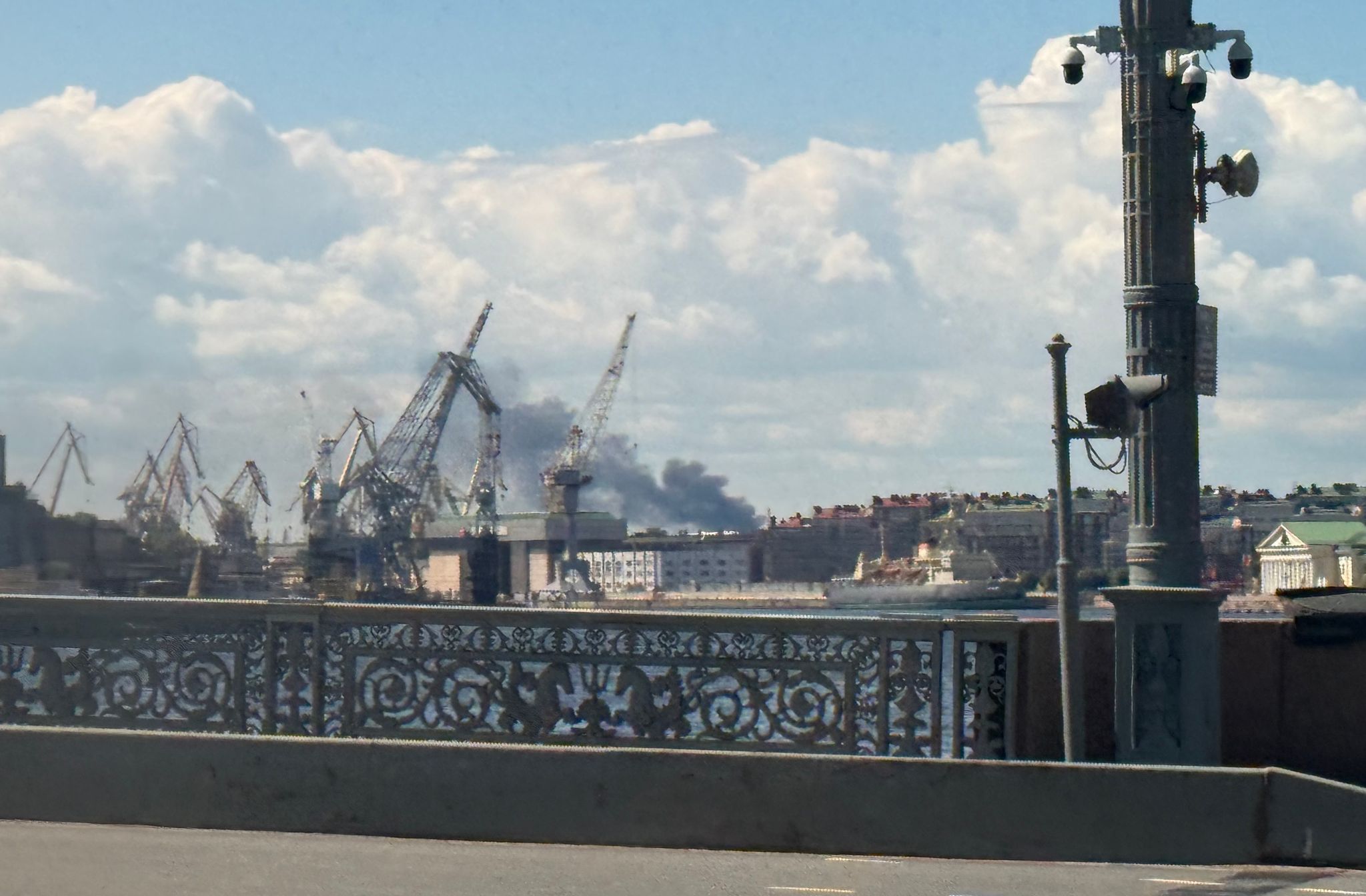
It’s a brutal chess match, playing out far from the front lines but with devastating consequences for them. Ukrainian intelligence sources—whispering on background, of course—point to an uptick in ‘special operations’ aimed squarely at Moscow’s industrial backbone and logistical arteries. This isn’t just about blowing up a fuel depot or a munition warehouse, though those happen often enough. No, it’s a colder, more calculated game: hitting the repair shops, the railway junctions, the actual production lines cranking out tanks and missiles. It’s an economic blockade delivered by drone.
Because, let’s be honest, you can’t fight a war if your hardware is stuck rusting in some far-flung depot, or if the factories can’t make the parts. Ukrainian President Volodymyr Zelenskyy has been rather upfront about this strategy: “Our defense efforts extend beyond the trenches. We’re showing the aggressor that their ability to wage this war, from logistics to manufacturing, is not inviolable. This is about making their brutal enterprise unsustainable.”
Russia, naturally, bristles. They deny significant impact, wave off the reports as Western propaganda. But Moscow’s public face, Dmitry Peskov, can barely contain the Kremlin’s frustration, periodically warning of “disproportionate responses to Ukrainian aggression against our sovereign territories.” (Though, ironically, those ‘sovereign territories’ often include lands Russia’s only recently, and illegally, annexed). You don’t make threats like that unless something’s hitting a raw nerve. But they continue to try to project an image of invincibility.
The strategy is both simple — and audacious: deny, disrupt, degrade. Disrupt the flow of armaments — and spare parts. Degrade the repair capabilities. Deny access to crucial resources. According to a recent analysis by the Kyiv School of Economics, damage to Russian industrial and logistics infrastructure from these strikes has surpassed an estimated $5 billion in the past year alone. And that’s just direct damage—it doesn’t even account for the opportunity cost, the delays, the rerouting, the morale hit. It’s a costly business, even for a state-centric economy.
This asymmetrical warfare model holds peculiar interest for nations observing from afar, particularly those in South Asia or the broader Muslim world who understand the dynamics of protracted conflict and resource disparity. Imagine nations like Pakistan, long engaged in complex regional security dilemmas, studying Kyiv’s ingenious ways of countering a larger, more conventionally equipped adversary. It’s not about matching tank for tank; it’s about intelligence, innovation, and an unwavering will to target the enemy’s economic jugular. They’re seeing how an outmatched force can punch significantly above its weight class.
But this isn’t just about the current conflict. It’s about shaping future military doctrine globally. We’re seeing a shift, away from purely front-line engagements toward deep strikes aimed at crippling the logistical and industrial capacity of an adversary. It’s a cruel game, but then again, war always is. The battlefield isn’t just the Donbas anymore; it’s every factory floor and railway switch Russia relies on to keep fighting. You can’t rebuild what you can’t protect.
What This Means
The political implications of Kyiv’s deepening campaign are considerable. For Russia, these strikes erode their illusion of internal stability and highlight the Kremlin’s inability to fully protect its economic assets, even within what it claims as secure borders. It fuels domestic discontent, whispers of inefficiency—exactly what Vladimir Putin doesn’t want circulating. Economically, a sustained, successful targeting of Russia’s defense industry will inevitably stunt its capacity to sustain a long war. We’re not talking about outright collapse tomorrow, but rather a slow, insidious drain that makes everything harder, more expensive, and less effective. And it’s precisely this sort of long-reach strategy that threatens Moscow’s economic resilience. For Ukraine, it’s a gamble, but a calculated one. It proves their capability, maintains international attention (and aid), — and creates leverage. But it also risks escalation, a tightening spiral where the stakes continually rise. However, without conventional air superiority, it’s arguably their best, most cost-effective path to pressure Moscow and shift the strategic calculus. The world, already grappling with global aid distribution, as highlighted by Europe’s grand gestures hitting gritty roadblocks, watches this dynamic closely. They know it’s not just a regional skirmish; it’s a test of resilience.