


New Mexico’s Climate: Economic Instability & Future Risk
New Mexico's economy faces an unseen burden from erratic weather. Discover how climate instability impacts tourism, agriculture, and creates political & global ripples.

POLICY WIRE — ALBUQUERQUE, N.M. — It’s often the small, mundane predictions that mask bigger, unsettling realities. Forget the headline for a second—not the ‘severe thunderstorm warning’ rattling folks near Roswell—but what that confluence of unpredictable atmospheric angst really means. Because out here in New Mexico, folks aren’t just looking at the sky; they’re reckoning with an economic future shaped by an increasingly chaotic climate. We’re talking about more than just some passing clouds or a sniff of smoke; we’re looking at systemic instability brewing right under those perpetually sunny, then suddenly stormy, skies.
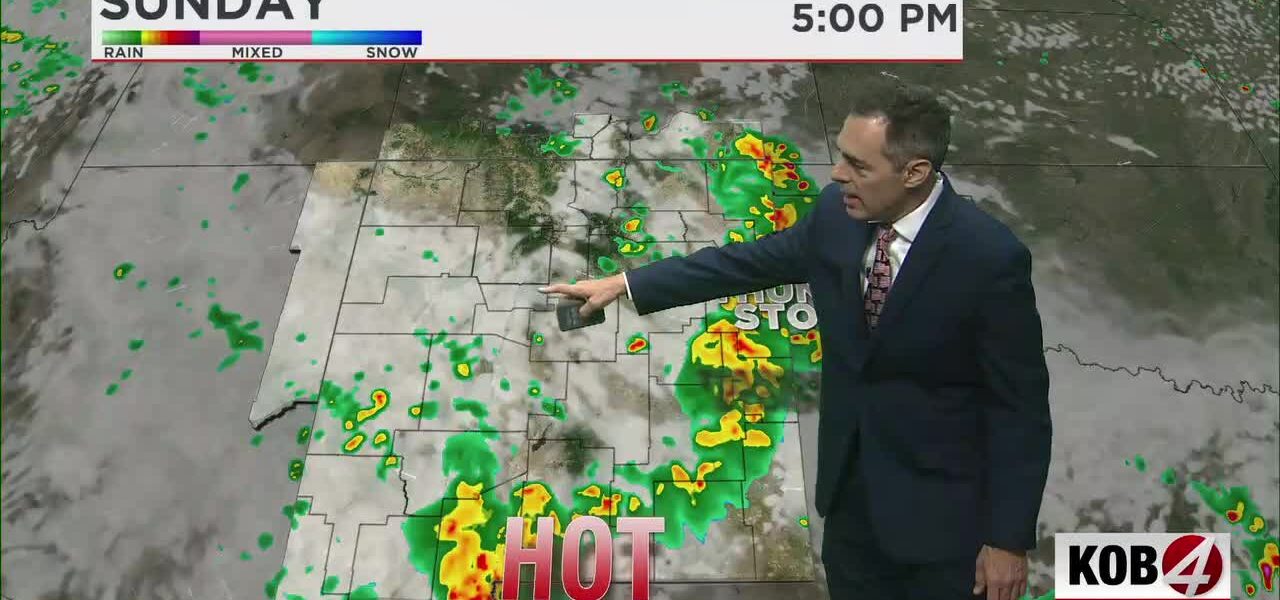
The National Weather Service recently tossed out a forecast that felt almost like a shrug. Thunderstorms had [QUOTE_PLACEHOLDER] from Chaves County north to De Baca County on Saturday evening — and moved east. Not just that, these systems, they ‘should keep moving east and weaken overnight,’ apparently, while most of New Mexico stays dry. Sounds benign, right? But then there’s the flipside: ‘Smoke from wildfires could return to the air Sunday,’ and not just anywhere—’especially across the northern half of the state.’ And wouldn’t you know it, Sunday ‘will bring another fairly hot day with dry conditions early and skies ranging from sunny to partly cloudy.’ It’s a weather report that reads like a fractured symphony, a bit of this, a bit of that, all playing out on an ever-warmer stage. And trust me, nobody’s whistling a happy tune about it.
And yes, a ‘severe thunderstorm warning remains in effect for a storm southeast of Roswell with lightning, possible strong wind gusts and large hail.’ This wasn’t some isolated event; it’s part of a broader pattern of erratic weather. A few storms developing across the state, some with ‘damaging wind gusts,’ yet most staying further south — and east. It’s a patchwork of predictability and total havoc, and it plays hell with long-term planning, particularly when your economy is tethered to outdoor recreation, tourism, and agriculture—the very things weather systems dictate. That kind of capriciousness isn’t just an inconvenience; it’s an economic disruptor of the first order.
Because frankly, what we’re witnessing is America’s southwest getting a preview of what many developing nations—say, in South Asia or parts of the Muslim world—have grappled with for years. Extreme weather isn’t a future threat there; it’s current reality. Nations like Pakistan have experienced devastating floods and heatwaves exacerbated by global climate shifts, impacting millions, destroying crops, and displacing entire communities. New Mexico’s experience might not yet mirror a full-blown humanitarian crisis, but the mechanics are unsettlingly similar: stressed infrastructure, economic vulnerabilities, and a government scrambling to adapt.
Take wildfire suppression. It isn’t cheap. The Las Conchas Fire in New Mexico back in 2011, for instance, clocked in at an estimated $50 million in suppression costs alone, according to data from InciWeb, a US federal incident information system. And that’s just one blaze, over a decade ago. Factor in property losses, diminished tourism, health costs from smoke inhalation, and the destruction of natural resources, and you’ve got an economic hole that gets deeper every year. And it’s one states can ill afford.
📄 POLICY WIRE WHITEPAPER PUBLISHED: PAKISTAN'S NATIONAL SECURITY POLICY PRIORITIES
👉 READ BY CLICKING HEREThis isn’t just a local issue, you see. It bleeds into federal budgets, policy debates over land use, and the increasingly desperate search for sustainable water management. Every flash flood, every scorching day, every wisp of smoke tells a story about resource allocation — and public safety. And because we’re in the business of calling out the inconvenient truth, let’s just say these are stories policymakers would often rather not hear, until it’s too late.
What This Means
The erratic weather now commonplace in New Mexico isn’t merely an meteorological anomaly; it’s a stark indicator of mounting political and economic pressure. This climate instability carries an undercurrent of national security concern, even in a seemingly domestic context. Think about it: stretched federal resources for disaster relief pull funds — and personnel from other priorities. Economic hits to tourism and agriculture in key swing states, or even reliably red or blue ones, don’t just affect local pockets—they translate to shifts in voter sentiment, pressure on elected officials, and demands for government intervention. You’d be surprised how much Americans’ views on the economy tie back to these very real, local conditions. The political implications are immense; leaders facing constituent ire over devastated livelihoods are compelled to act, whether by funding new infrastructure or by engaging in the thorny thicket of climate legislation—measures often politically unpopular despite their growing necessity. These regional weather patterns also create a sort of economic ripple effect across states, altering insurance markets and demanding greater state-to-state collaboration on resource management, particularly water. as global supply chains are increasingly sensitive to climate shocks, the ripple effect of climate instability from, say, wildfires in California or intense heat in New Mexico, could create demand shifts felt on commodity markets worldwide, even impacting countries far away that depend on consistent agricultural output or resource availability from the U.S. This sort of creeping systemic vulnerability? It’s the silent stuff that ends up dictating a heck of a lot more than just tomorrow’s temperatures.