


Israel’s Air Hub Stirred by Domestic Roar, Echoing a Frail Normalcy
POLICY WIRE — Tel Aviv, Israel — The distant drone of aircraft engines is, for some, the sound of progress. For Israelis, though, these days it’s often just the sound of a gamble. Not much makes...

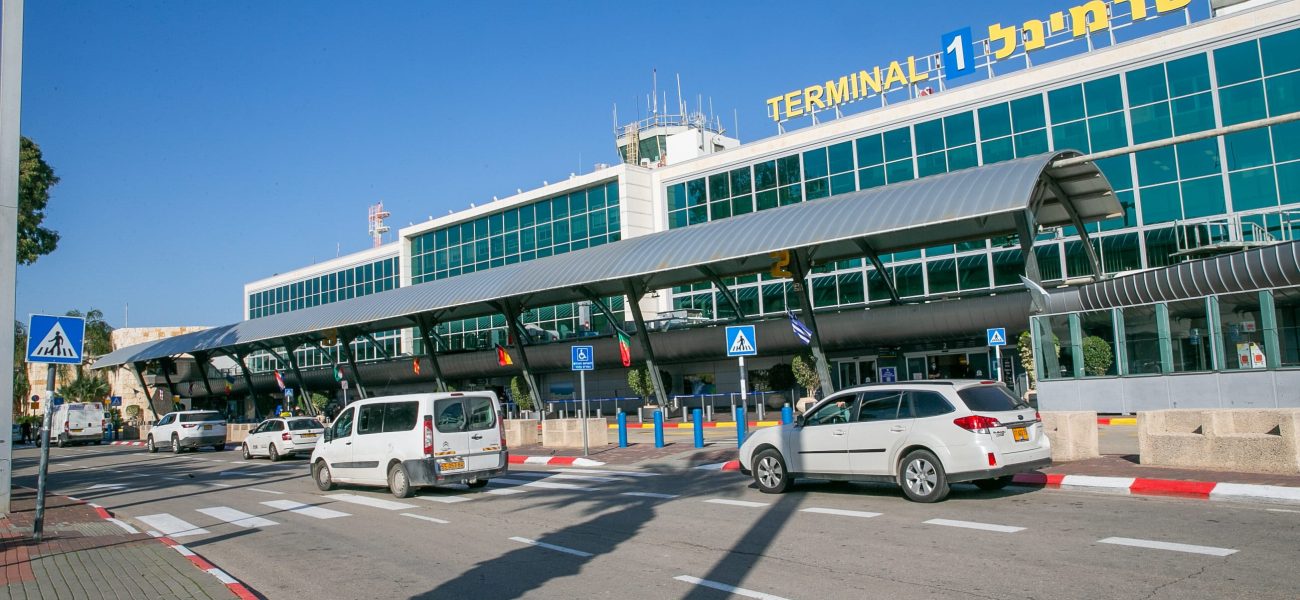
POLICY WIRE — Tel Aviv, Israel — The distant drone of aircraft engines is, for some, the sound of progress. For Israelis, though, these days it’s often just the sound of a gamble. Not much makes headlines these days unless it’s accompanied by a missile warning, but this week, a rather mundane development briefly cut through the static: Terminal 1 at Ben-Gurion International Airport, Israel’s quieter, often overlooked domestic hub, just threw open its doors again. It’s a move that hints at an almost desperate grab for ordinary life, despite the swirling anxieties that still grip the Levant.
It’s not the thrumming international arrivals that tell the real story here. Nope. It’s the resumption of those relatively short hops to Eilat, a city now more reliant than ever on local tourism after its international appeal cratered. For months, these domestic routes had been shunted over to the behemoth Terminal 3, a space not designed for the quick turnover of internal flyers. This little logistical tweak, forcing domestic traffic through an international bottleneck, became a minor—but telling—indicator of just how rattled things got after Iran’s very public retaliatory strikes back in April. You know, when the region collectively held its breath, — and airspaces went quiet. Ben-Gurion, for a spell, wasn’t just quieter; it was a ghost town, an operational relic.
And now, a bit of the old routine comes back. It feels less like triumph, more like triage. “This reopening is less about celebrating a return to glory and more about chipping away at the enormous financial strain the ongoing security situation has imposed,” remarked Daniel Ezra, an independent security analyst based in Jerusalem. “It’s pragmatic. But let’s not pretend it signals a resolution.” He isn’t wrong. Because even with this symbolic reopening, airlines remain wary. Passenger numbers might tick up, but confidence? That’s another beast entirely.
Israeli transport officials are putting on a brave face, naturally. They’ve got to. A spokesperson for the Israeli Airports Authority, requesting anonymity to speak frankly about the economic pressures, said, “We’re making every effort to restore full operational capacity, ensuring that our infrastructure can once again serve the Israeli public without undue disruption. It’s an investment in our collective future, an affirmation of our resilience.” Which sounds lovely on paper, but resilience, when you’re looking at flight schedules that can change on a dime, sometimes just means gritty stubbornness.
For some observers, particularly across the broader Muslim world, these movements are parsed differently. Every Israeli administrative decision, every seemingly innocuous reopening, carries layers of geopolitical messaging. From Islamabad to Jakarta, these aren’t just airport logistics; they’re chapters in a longer narrative of conflict and contested space. Consider Pakistan, for instance, a nation grappling with its own internal instabilities — and economic woes. It watches Middle Eastern dynamics not just from an Islamic solidarity perspective, but also through the lens of regional stability affecting global trade lanes, particularly critical energy routes. Any perceived de-escalation is good; any hint of re-escalation, disastrous. The subtle message of a reopened domestic terminal, to many in these capitals, might simply be that Israel’s internal functions continue, regardless of what’s happening just beyond its borders.
📄 POLICY WIRE WHITEPAPER PUBLISHED: PAKISTAN'S NATIONAL SECURITY POLICY PRIORITIES
👉 READ BY CLICKING HEREThe economic hit was, — and remains, substantial. In 2023, before things truly escalated, Ben-Gurion Airport processed some 24.7 million passengers, according to the Israel Airports Authority. A significant drop-off since the latter part of that year meant millions lost in revenue and ripple effects across sectors—tourism, hospitality, business travel. While Terminal 1 largely services domestic flights, its closure, even temporarily, underscored the fragility of the entire air travel ecosystem in times of conflict. It’s an open wound for the economy. And rebuilding that shattered trust? That’s going to take more than just reopening a single terminal, no matter how many times officials utter the word ‘resilience’. The reality, as Policy Wire has previously observed in reports on Jerusalem’s own tenuous normalcy, is far more complex.
What This Means
The return of Ben-Gurion’s Terminal 1 isn’t a geopolitical earthquake. It’s more like a barely audible sigh of relief from Israel’s travel sector. But its symbolism runs deeper. It’s an attempt to restore basic economic functionality while acknowledging — implicitly, of course — that the larger regional picture remains terribly unstable. The shift from Terminal 3 back to 1 for domestic routes clears capacity for a potential increase in international flights down the line, should the security situation stabilize. Or, and this is the gnawing worry, it makes room for other critical traffic, like military and aid flights, should tensions surge again.
Economically, it’s a small boost for the southern tourism industry, particularly for Eilat, which desperately needs any reprieve. Politically, it broadcasts a message of continued sovereignty and operational capability, an important signal both domestically and internationally—especially to adversaries who might interpret disruptions as weakness. But don’t mistake minor airport adjustments for true peace. This is less a step towards lasting tranquility, and more like shuffling deck chairs on a very watchful ship, surrounded by storm clouds. They’re just trying to keep the everyday engine running, hoping no one pokes it too hard. Policy Wire will continue monitoring these subtle shifts, understanding that sometimes, the quietest news can be the loudest warning, like the Red Sea’s own evolving chess game for control.