


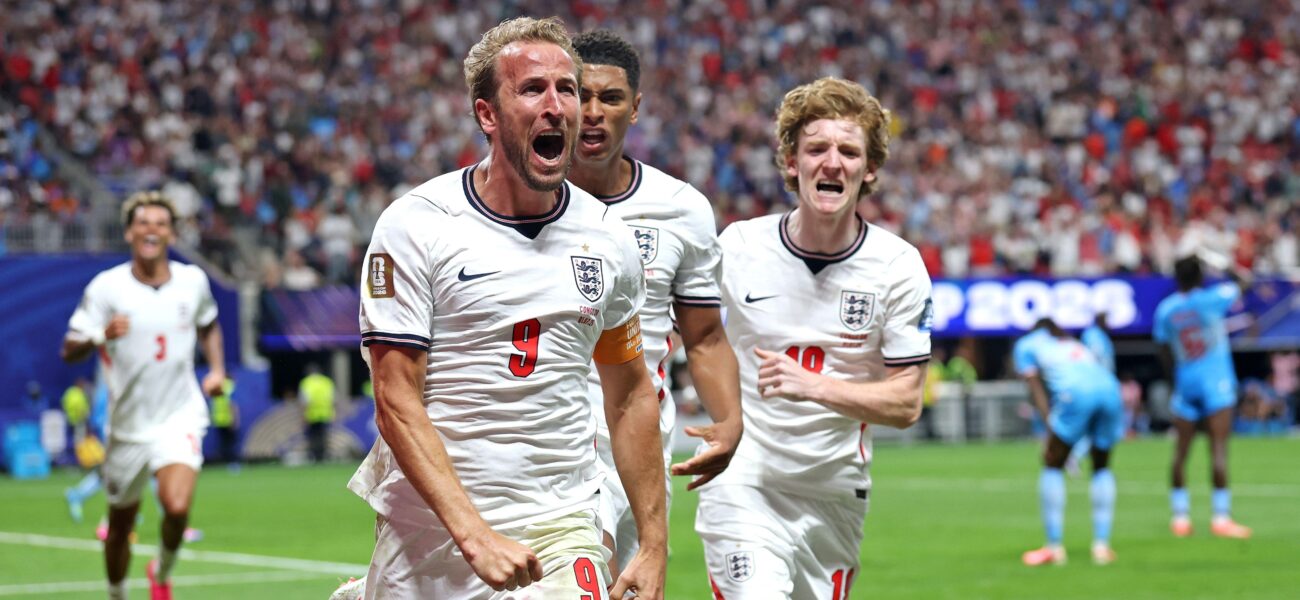
England Schools Adapt for World Cup Matches
England's schools are adapting schedules for World Cup matches, balancing education with national football fervor. Learn how cultural priorities are reshaping school policies.

POLICY WIRE — London, United Kingdom — The midday hush usually reserved for algebraic equations and historical dates is set to be broken not by the school bell, but by the distant roar of a crowd. It’s a rather telling reflection of national priorities, isn’t it? As England prepares for its next high-stakes football encounter, educational institutions across the land have found themselves performing an elaborate gymnastic feat—a collective flexibility exercise that prioritizes national sentiment over strict curriculum adherence. The classrooms won’t be empty, perhaps, but their schedules certainly aren’t what anyone might call orthodox.
It isn’t merely about granting a slightly extended lunch break, or moving an assembly. No, it’s a full-throttle acknowledgement that the football calendar, for better or worse, holds a certain, well, sway. This isn’t just about kids watching a game; it’s about the fabric of a nation taking a collective pause. Parents, it seems, have been lobbying with gusto, creating a groundswell that headteachers, for all their earnest dedication to learning, simply couldn’t ignore. The raw spectacle of human drama still steals the show, even from the stern logic of timetables.
Many schools have declared they’re adopting a flexible approach. What does this bureaucratic gem even mean in practice? It translates, we’re told, to allowing pupils to watch the match live, either in classrooms or communal areas, before returning to lessons once the final whistle blows. Other institutions have gone a step further, permitting early departures or later arrivals, ostensibly to let families watch together. One senior education official, opting for anonymity to speak candidly on such a thorny issue, reportedly acknowledged the unique circumstances, stating, [QUOTE_PLACEHOLDER] in a memo circulated widely last week. And for many educators, it’s less about the game and more about preventing truancy; it’s a pragmatic recognition that teenagers, particularly, will find a way to watch regardless.
But this isn’t just an English phenomenon. The universal language of football — its grip on national identity — often forces similar concessions worldwide. Think of cricket’s fervent hold over South Asia, particularly in nations like Pakistan. During major World Cup fixtures involving the national team, a similar societal ripple can be observed. While formal school mandates might differ, it’s not uncommon for productivity to dip, for streets to empty, and for public spaces to become temporary arenas. One could argue it’s less about policy — and more about the gravitational pull of shared cultural experiences. In Lahore, you might see similar spontaneous accommodations for a high-stakes Pakistan-India match, sans official policy-wire statements.
The precedent set here, however quiet, subtly intertwines the curriculum with the football pitch. It’s a nod to the fact that beyond textbooks, national events shape young minds too. And you’ve got to wonder what lessons are truly being absorbed—teamwork, certainly; strategic thinking, perhaps; but also, critically, that sometimes rules bend under the sheer weight of popular demand. A headteacher from a multi-academy trust confided that the decision wasn’t taken lightly, describing it as a tricky balancing act. They were concerned about both learning continuity — and student wellbeing, especially when some might feel left out.
Such decisions aren’t made in a vacuum, you know. There’s a subtle political undercurrent. Allowing students to watch can be framed as supporting national unity, boosting morale, or simply demonstrating common sense. Denying it? Well, that could lead to public outcry, parental frustration, — and an unflattering headline or two. According to a widely cited 2022 Deloitte report on national sporting events, major sporting events can see a 3% dip in workplace productivity during peak viewing times, and schools are just another facet of that societal ripple effect.
📄 POLICY WIRE WHITEPAPER PUBLISHED: PAKISTAN'S NATIONAL SECURITY POLICY PRIORITIES
👉 READ BY CLICKING HEREThe educational system, ostensibly built on rigid structure and defined outcomes, finds itself momentarily, and rather graciously, bowing to the whims of 22 men and a ball. It’s a reminder that institutions, for all their formality, are ultimately responsive to the less tangible, yet potent, forces of culture and national pride. It won’t likely be codified into permanent policy, but it’s an annual tradition shaping up, isn’t it?
What This Means
This widespread educational compromise signals more than just a fleeting accommodation for football enthusiasts. It reflects a growing societal understanding, even among traditionally rigid institutions, of the power of mass media events and collective national sentiment. Politically, it’s a low-stakes move that accrues public goodwill, deflecting potential criticism over perceived rigidity. Economically, while short-term productivity dips are acknowledged, the broader picture involves consumer spending on related merchandise and hospitality—a significant, albeit distributed, boost. For educational policy, it sets a quiet precedent: formal learning environments can and do bend to informal, cultural pressures, forcing a re-evaluation of how ‘disruption’ is defined. It highlights the increasingly blurred lines between a state’s functional mandates and its citizens’ cultural priorities. In essence, it’s a policy of quiet diplomacy—an implicit agreement that some forms of national communion simply supersede lesson plans, however temporarily.