

Erdogan’s Gaza Gambit: Countering Israel’s Genocide Claims
Erdogan leverages Gaza to rebuke Israel's Armenian genocide claims, asserting Turkey's role in the Muslim world. Understand this strategic geopolitical move.

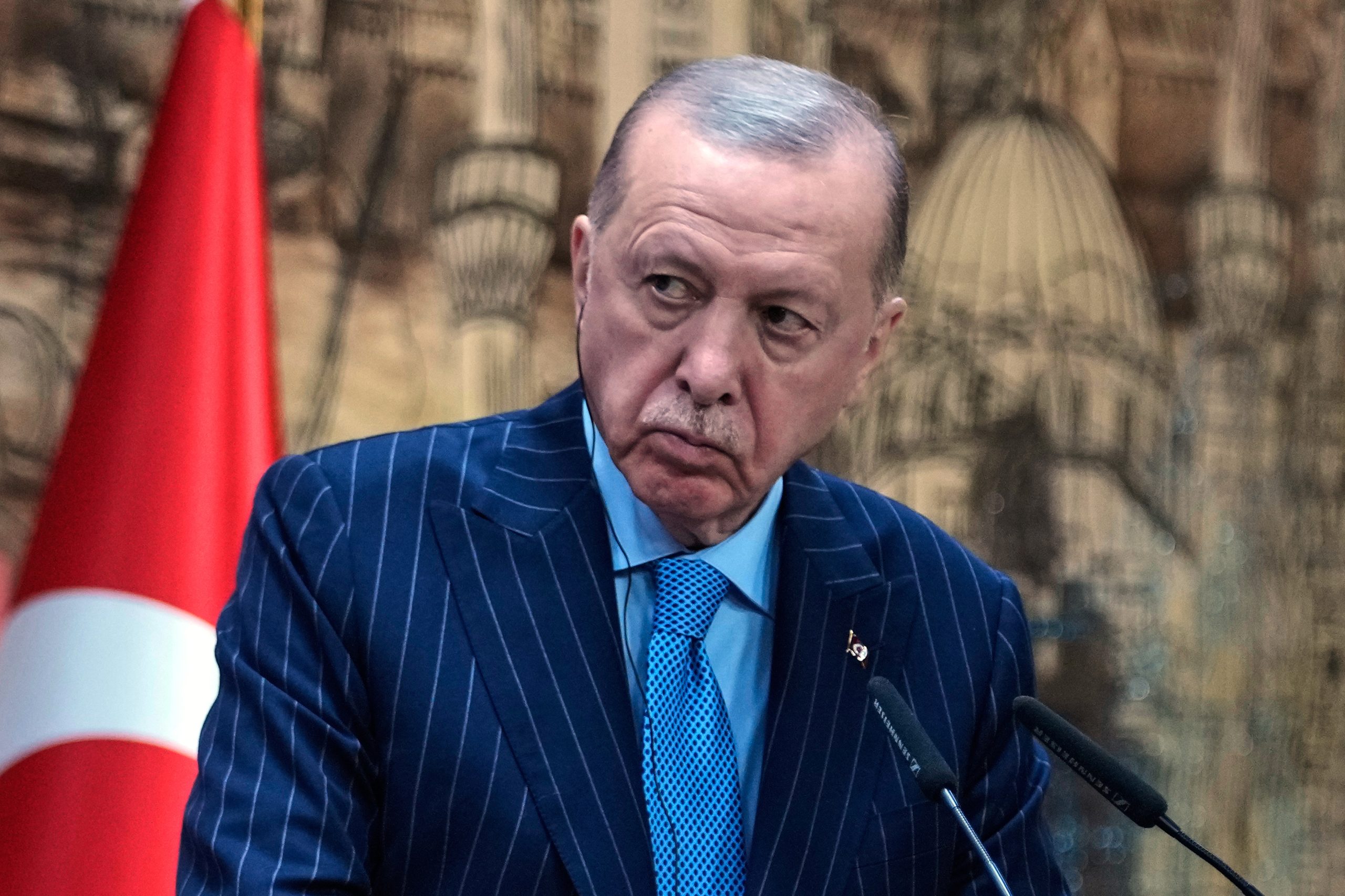
POLICY WIRE — Istanbul, Turkey — Sometimes, a political skirmish isn’t about the immediate barb tossed, but the wider chessboard it reconfigures. That’s what’s happening here, plain as day. Turkey’s President Recep Tayyip Erdogan recently brushed off efforts by Israel to acknowledge the Armenian genocide—a particularly touchy historical subject for Ankara—by swiftly, and perhaps predictably, redirecting the spotlight onto the grim realities unfolding in Gaza. It wasn’t just a rebuttal; it was a calibrated diplomatic parry, a brutal demonstration of how historical wounds and current conflicts become bargaining chips in the Middle East’s perennial game of thrones.
It’s an old trick, sure, but Erdogan plays it well. Accused of historical atrocities, he points to contemporary ones, drawing a stark moral equivalency that leaves little room for nuance or calm deliberation. One might even call it a masterclass in whataboutery, a tactic employed by states big and small when the historical mirror reflects an unflattering image. The move, characterized as [QUOTE_PLACEHOLDER] certainly made waves.
For Turkey, the events of 1915, during the final, chaotic days of the Ottoman Empire, are vehemently disputed as a genocide. They call it a tragedy born of war, a complex series of events that caused immense suffering on all sides. Much of the world—including dozens of countries and historical bodies—disagrees, classifying the systematic killings and deportations of Armenians as genocide. So when Israel, not typically known for its moral grandstanding on past events of other nations—especially not towards its regional adversaries—brought it up, it stung. It really did.
But Erdogan wasn’t about to stand there — and take it. He’s never been one to shy from a fight. Because, let’s face it, he knows the region. He knows its grievances. And he knows how to wield them. His immediate response, focusing on the current bloodshed in Gaza, serves multiple purposes. First, it paints Israel as hypocritical, unfit to levy historical accusations while engaged in its own controversial military operations. Second, it resonates deeply within the wider Muslim world, where sympathy for Palestinians runs high, allowing Erdogan to position Turkey, and himself, as a vocal defender of Muslim rights and dignity.
This isn’t some backroom whisper, either; it’s a global declaration. It’s part of a broader strategy, visible across Pakistan, Saudi Arabia, and other influential Muslim nations, to galvanize collective opposition against perceived injustices targeting Muslims. For example, during 2023, the United Nations Office for the Coordination of Humanitarian Affairs (OCHA) reported that civilian casualties in Gaza reached alarming numbers, with over 15,000 fatalities in just the last quarter of the year, a statistic often cited by Ankara in its criticisms of Israeli military actions.
And Turkey has a keen eye on expanding its sphere of influence, not just economically—though Ankara is very active in African markets and with strategic investments throughout Central Asia—but culturally and politically too. President Erdogan’s statements aren’t merely defensive; they’re an assertive play for leadership in the Islamic world, challenging traditional powers and trying to carve out a distinct foreign policy free from Western dictates. It’s about staking a claim on moral authority.
We’ve seen this posture repeatedly, a defiant refusal to conform to international pressure when it clashes with Ankara’s narrative. The Armenian genocide question isn’t new; it’s a century-old wound that gets reopened whenever Turkey’s international relations hit a snag. The Israelis, in their diplomatic efforts (or perhaps provocations, depending on your vantage point), likely knew what they were doing. They knew the button they were pushing, — and they got the reaction they likely anticipated.
But this isn’t just about Turkey — and Israel. This geopolitical boxing match reverberates through capitals from Islamabad to Cairo, from Jakarta to Sarajevo. It shapes narratives, influences public opinion, — and sometimes even swings policy. Think about how many nations, especially those with significant Muslim populations, carefully calibrate their statements on both the Armenian question and the Israeli-Palestinian conflict. It’s an intricate balance, isn’t it? Erdogan understands that a perceived double standard—condemning past acts while ignoring present ones—is potent political fuel.
But the real trick, the cynical beauty of it, lies in the complete, unyielding nature of the defense. It says, ‘Don’t come at us with history, not when you have your own moral quagmires today.’ And for many, particularly in countries across South Asia where Israel’s actions in Gaza draw near-universal condemnation, that argument lands with devastating effect. It cuts through academic debates — and historical committees, directly to the raw nerve of current suffering.
What This Means
This isn’t just diplomatic noise; it signals a significant recalibration in regional power dynamics. Politically, Erdogan’s sharp rejoinder solidifies his image as a fierce advocate for Muslim causes, an increasingly appealing stance for electorates weary of what they see as Western hypocrisy. It further distances Turkey from traditional NATO allies, highlighting its independent—often confrontational—foreign policy. This posture can empower his government domestically, rallying nationalist sentiment behind him. However, it simultaneously deepens Ankara’s isolation from nations pushing for full recognition of the Armenian genocide, making diplomatic reconciliation a distant prospect. It also risks further deteriorating an already fractious relationship with Israel, undermining any potential for future cooperation on security or energy matters.
Economically, this tit-for-tat could have ripple effects, especially on trade — and investment flows. Tense political relations don’t breed confidence for long-term economic partnerships. While Turkey has diversified its trade partners extensively, maintaining good relations with a range of actors is crucial. A consistently combative diplomatic stance might make some international investors, particularly those sensitive to geopolitical instability or human rights issues, think twice. Conversely, for certain countries within the Muslim world—where Turkish leadership is increasingly revered—such declarations could enhance trade and cultural ties. The global impact of this stance isn’t isolated; it influences perceptions of Turkey’s stability and reliability on the world stage, and indeed, its willingness to abide by international norms.