


Knesset Bill Fuels Israeli Draft Crisis, Divides Nation
A Knesset bill on religious military exemptions ignites an existential crisis in Israel. Uncover how this move deepens internal divides, strains the economy, and impacts global perception.

POLICY WIRE — Jerusalem, Israel — Something deeply unsettling stirs in the halls of Israel’s Knesset, a legislative tremor with far-reaching consequences. It’s not about the usual geopolitical squabbles, nor is it merely another squabble over budget allocations. This time, it’s about the very soul of the state, articulated through a single, deceptively simple legislative move: a bill elevating religious study to a status akin to military service.
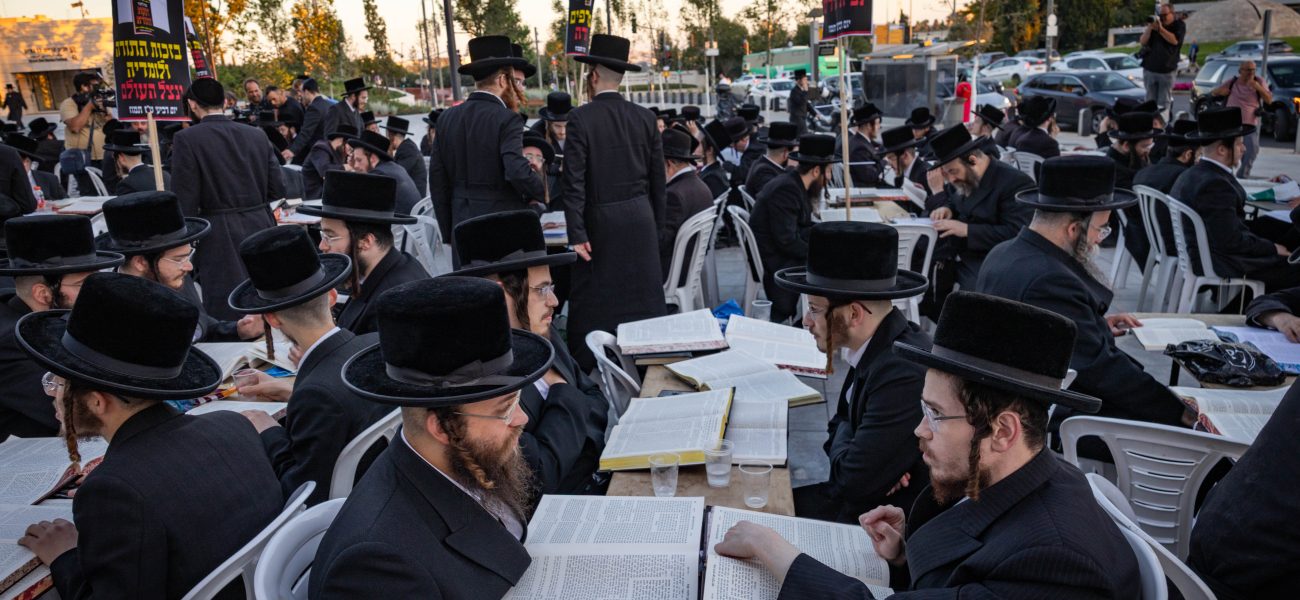
Lawmakers here gave a preliminary nod to what’s being dubbed a Basic Law amendment that, effectively, seeks to enshrine full-time Torah study as a foundation of national identity. Sounds arcane, right? But the ramifications are anything but. What it really means is perpetuating an age-old exemption—one that keeps a significant, and growing, segment of Israel’s male population out of the mandatory military draft. [QUOTE_PLACEHOLDER]
But make no mistake; this isn’t just an internal squabble. Such moves, which deepen the fusion of religious observance with state policy, aren’t viewed in a vacuum from outside, particularly from the broader Muslim world and the Indian subcontinent. Nations like Pakistan, where debates over the role of Islamic law in national governance are constant, or Indonesia, which struggles to balance religious pluralism with increasing conservative influences, watch these developments closely. They aren’t looking just at geopolitics. They’re weighing up precedents—the way any state prioritizes religious over secular duties. And the implications can get real messy, real fast, especially when security dynamics are already so volatile.
The legislative effort saw the Knesset pass in first reading bill to enshrine Torah study into Basic Law. Critics don’t buy the rhetoric that this is just about preserving tradition. They see it as a transparent political maneuver—a concession to ultra-Orthodox coalition partners whose support keeps the current government afloat. And for those fighting — and dying on the front lines, many are seething. You’ve got families burying their kids, and then they hear about legislation that formalizes an exemption for others purely based on their religious schooling? It’s a bitter pill to swallow. This isn’t just abstract legal parsing; it’s a tangible, daily insult to thousands of citizens.
It’s creating this raw nerve in Israeli society, exposing fault lines that run deep beneath the surface—military burdens versus religious piety, secular demands against spiritual dedication, the very definition of shared citizenship. How do you square national service when parts of the citizenry don’t partake, yet still demand their piece of the societal pie?
Let’s not kid ourselves. The financial strain is immense, too. A population that isn’t fully integrated into the workforce because of exemptions—exemptions based on these sorts of laws—creates a huge economic drag. They don’t pay taxes in the same measure, don’t contribute to productivity, but they absolutely consume public resources. It’s not just a military issue; it’s a fiscal ticking time bomb.
According to the Israel Democracy Institute, a 2023 poll showed a staggering 70% of Jewish Israelis and 58% of all Israelis actually support compulsory military or national service for Haredi men. This isn’t some fringe view; it’s a widespread demand across the populace. The government is essentially spitting in the face of majority opinion, all to maintain political expediency. Because, let’s be frank, that’s what it looks like.
📄 POLICY WIRE WHITEPAPER PUBLISHED: PAKISTAN'S NATIONAL SECURITY POLICY PRIORITIES
👉 READ BY CLICKING HEREWhat makes it all the more precarious is that it comes at a moment when Israel faces existential threats. You’d think unity would be the order of the day. Instead, they’re digging these divides deeper. It’s almost a perverse display of self-sabotage, an open wound left to fester when everyone else is focused on external threats. It’s not just unhelpful; it’s plain dangerous for national cohesion.
What This Means
This bill, should it clear its remaining readings, represents a calcification of Israel’s internal conflicts, solidifying an enduring schism. Politically, it signals an ever-increasing leverage of religious factions, implying a future where coalition stability hinges increasingly on accommodating specific ultra-Orthodox demands. This isn’t a momentary tactical retreat; it’s a strategic realignment of state priorities, pushing a pluralistic, diverse nation further towards a theocratic bent.
Economically, the implications are dire. Maintaining a non-working, non-conscripted population sector, funded by public coffers, translates into fewer taxpayers, increased dependency, and slower overall growth—a drag on what’s otherwise a dynamic economy. You’ve got to ask: who’s picking up the tab for these grand religious exemptions? It’s everyone else, isn’t it?
the bill will undoubtedly exacerbate brain drain among secular, skilled Israelis who see their burden increasing while a significant chunk of society remains unburdened by service or full economic participation. And internationally? While not drawing the same outrage as, say, military actions, it solidifies perceptions among external observers, particularly in Muslim-majority countries and regions like South Asia. They see an Israel prioritizing sectarian religious identity over the collective national defense, drawing uncomfortable parallels with their own internal struggles to define the boundaries of religion in public life. It complicates diplomacy, — and it doesn’t do much for Israel’s already strained reputation on the global stage. It only feeds into existing narratives about exclusivity versus pluralism. It doesn’t scream modernity. In a region craving stability, this internal instability — it’s not a good look, not at all. It’s a raw display of a nation eating itself from the inside out, for all the world to see.