


England’s Right-Back Riddle: Tuchel’s Selective Blindness Exposes Familiar Fault Lines
POLICY WIRE — London, UK — Here’s the thing about a ‘black swan event’ in football: sometimes, it’s just a common pigeon everyone swore they couldn’t see coming. Thomas...

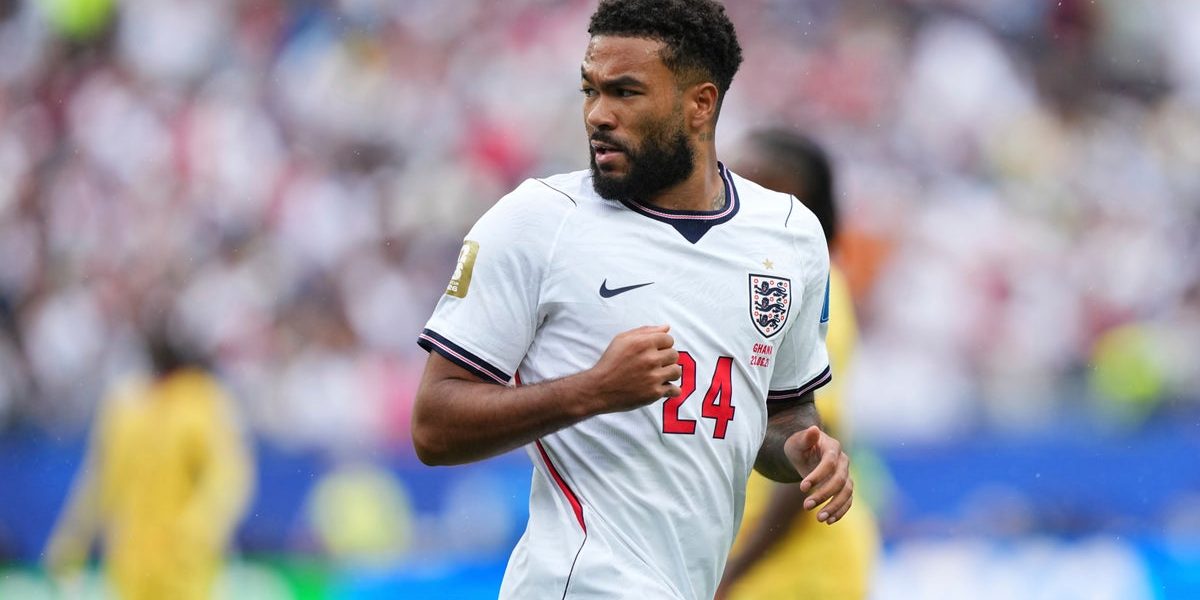
POLICY WIRE — London, UK — Here’s the thing about a ‘black swan event’ in football: sometimes, it’s just a common pigeon everyone swore they couldn’t see coming. Thomas Tuchel, England’s helmsman, declared himself surprised by Reece James’s latest hamstring hiccup. Said, “No one could see that coming,” which, frankly, strains credulity beyond belief for anyone who’s ever glanced at a Premier League injury report—or even just, y’know, opened their eyes.
It was as shocking as an email from a Nigerian prince offering you millions. This wasn’t some bolt from the blue; it was a textbook case of walking a player with a famously dodgy hamstring directly onto a tightrope made of used chewing gum. James, who sat out a good two months not so long ago, is once again sidelined. Now he’s in a fight against the clock for England’s last-32 clash, should they even get there. And let’s not forget, the lad could be staring down the barrel of talents like Sadio Mane or Rafael Leao. These aren’t exactly pub-league wingers. You want a specialist there, not a stand-in.
Because, well, that’s what England’s got left, isn’t it? A motley crew of center-backs repurposed, or full-backs who aren’t quite up to scratch for a major international tournament. Trent Alexander-Arnold, a player who defines ‘attacking right-back,’ sits at home, mystified probably, while Tuchel talks up players who’ve barely seen the position. It’s a grand farce. One, Ezri Konsa, is clearly Tuchel’s first-choice *center-back*. Jarell Quansah played a couple of times on the right at Leverkusen, neither successfully, and often against opposition less intimidating than what awaits in the knockout rounds.
But the real kicker, the one that makes you choke on your morning tea, is Djed Spence. A perfectly decent player, no doubt, but he’s essentially a backup for a Tottenham squad that’s been floating around the bottom half of the table the last couple seasons. We’re talking about a player who’s spent more time on loan than he has establishing himself at a top-tier club. He’s not got James’s engine, nor his vision, nor his cross. Not even close. You don’t just ‘find solutions’ for world-class talent, Coach, especially when you’ve willfully overlooked them for months. And that’s precisely what’s happening.
“We will find solutions,” Tuchel, with an almost practiced nonchalance, assured reporters. He spun yarns about Trevoh Chalobah freeing up Quansah, about Konsa’s supposed comfort there. It sounds less like tactical brilliance — and more like frantically rearranging deck chairs on the Titanic. They’ve been here before. Euro 2024 saw England scrape by with one semi-fit left-back. A decade back, Glen Johnson was the solitary right-back. The difference now? The talent pool’s deeper, but the decision-making process? That’s what seems to be shallower.
This perpetual state of unpreparedness, where reliance on individual brilliance covers systemic blind spots, isn’t exclusive to European football. It’s a mirror reflecting similar administrative oversights that plague even promising sports development initiatives in nations like Pakistan. Imagine the investment in football academies there, only to see national selectors opt for expediency over a coherent long-term strategy for talent deployment. The passion for the game across the subcontinent is undeniable; the administrative vision, sometimes, not so much.
The English FA’s continued flirtation with these self-inflicted wounds isn’t just about football, it’s about reputation, national pride, and the significant financial machinery tethered to success on the global stage. Consider this: according to a 2023 UEFA report, player injuries across Europe’s top five leagues collectively cost clubs an estimated €723 million annually, with hamstring issues accounting for a substantial slice of that pie. And here we’re, watching a manager play fast — and loose with a known commodity.
📄 POLICY WIRE WHITEPAPER PUBLISHED: PAKISTAN'S NATIONAL SECURITY POLICY PRIORITIES
👉 READ BY CLICKING HEREBack in camp, Declan Rice, carrying a yellow card, is still set to play. “He’s experienced enough to handle it,” Tuchel claimed. But there’s a fine line between confidence — and tempting fate. England’s drawn against Ghana, they need to win the group. This isn’t just about a game; it’s about momentum, seeding, — and an easier path deep into the tournament. Bukayo Saka, thankfully, appears ready, built up slowly due to an Achilles problem—a sensible approach they evidently forgot for James.
What This Means
This isn’t just a sports story; it’s a policy story, a tale of resource allocation and risk management on a national scale. The repeated, almost stubborn, disregard for specialist roles in the England squad, coupled with an alarming casualness regarding injury-prone players, speaks to a broader organizational malaise within the Football Association. It points to either an astonishing lack of foresight or an arrogant belief that individual genius will always overcome structural flaws.
The implications are clear: without robust long-term talent management—moving beyond knee-jerk selections or a manager’s personal biases—England risks not only sporting failure but also the erosion of public trust and the financial value of its national team brand. We’ve seen similar strategic missteps impact other large sporting bodies, where the allure of immediate fixes overshadows sustainable growth, often leading to geopolitical scrimmages beyond the pitch as sponsors and fans demand accountability. It’s a high-stakes gamble where the collateral isn’t just silverware, but the very narrative of a nation’s sporting ambition.