


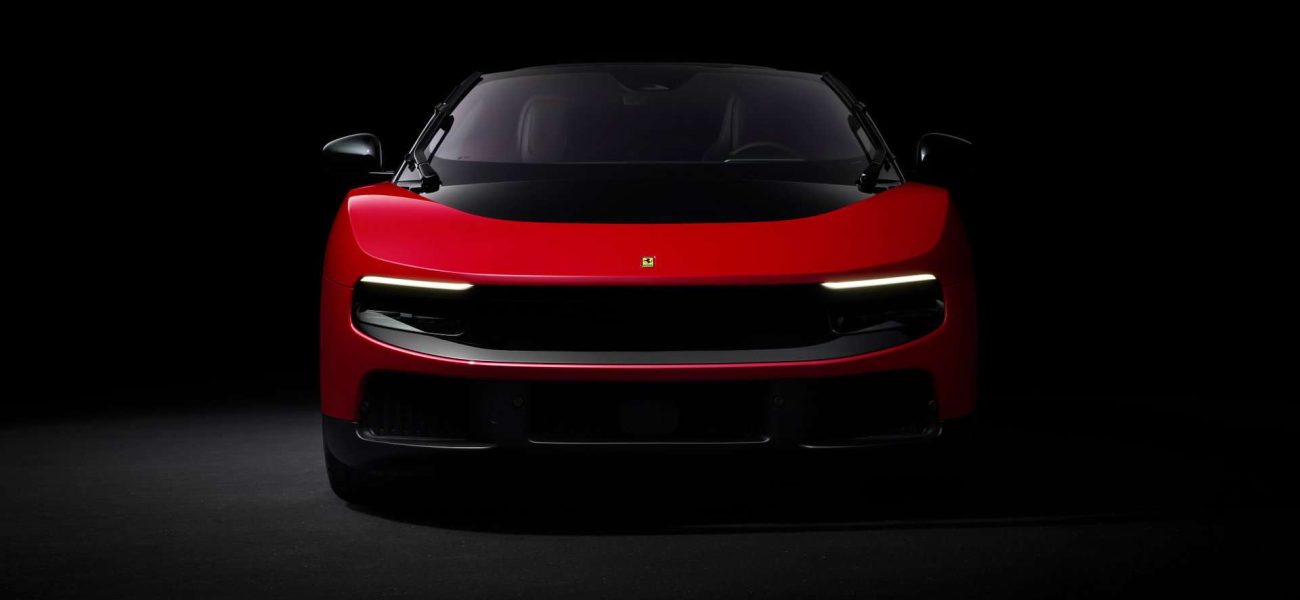
China’s Luxury Power: Ferrari EV’s Global Impact
Ferrari's electric 'Luce' sold out in China, signaling a major shift in global luxury. Explore how China dictates high-end trends and the geopolitical impact of booming EV resource demand.

POLICY WIRE — New York, USA — When Ferrari’s maiden electric vehicle, the ‘Luce’ — or ‘light’ for us plebians — vanished from order books in China mere moments after its unveil, it wasn’t just a car sale. Oh no, it was a thunderclap. A very expensive, very fast, very green thunderclap that echoed a fundamental realignment in the global economy, making everyone question just who calls the shots in the rarefied air of ultra-luxury. We’ve long understood China’s might as a manufacturing behemoth, a market hungry for quantity, sure. But this? This is about dictating aspiration, setting the new benchmark for gilded desires.
It used to be that Maranello or Munich dictated what opulent motoring looked like. But the instant, voracious appetite shown by Chinese buyers for Ferrari’s half-million-dollar electric thoroughbred — that’s a lot of yuan, by the way — suggests a shift. A significant one. Beijing isn’t just buying foreign luxury anymore; it’s flexing its considerable muscle, almost demanding the best of the West meet its exacting, and wealthy, specifications. It’s a pretty bold move, selling out something that expensive, that fast, in a market where electric dreams are still very much tied to government policy.
And what’s Ferrari saying about this, the storied guardians of internal combustion passion? Benedetto Vigna, CEO of the Prancing Horse, reportedly remarked, “We don’t just sell cars; we sell an emotion. And that emotion, it turns out, now speaks fluent Mandarin and charges quite quickly.” It’s a convenient narrative, certainly, but you can practically hear the clinking of champagne glasses at their corporate headquarters. You know they’re not complaining. The profit margins on these things? Staggering. For them, it’s proof the brand transcends powertrain; for the rest of us, it’s a peek into tomorrow’s geopolitical luxury landscape.
But there’s more to it than just shiny toys for the incredibly rich. China’s economic mandarins certainly weren’t shy about celebrating the rapid uptake. A spokesperson for China’s Ministry of Commerce, Zhao Lei, stated matter-of-factly, “China’s economic dynamism isn’t just about our unparalleled domestic output; it’s about cultivating a sophisticated, demanding consumer base that recognizes and acquires global excellence. This swift embrace of Ferrari’s latest isn’t merely a sale; it’s a robust statement on where the epicenter of global luxury power now resides.” A pointed statement, if you ask me. Almost a quiet declaration of independence for their super-rich consumers.
Because while the privileged few in Shanghai snap up electric Prancing Horses, much of the developing world grapples with far more existential automotive dilemmas. Imagine, the energy demands of half-a-million-dollar luxury EVs. That requires raw materials—lots of them—and robust, reliable power grids. While China’s affluent revel in the ‘Luce,’ nations like Pakistan are locked in battles over water scarcity, energy insecurity, and infrastructure deficits. The sheer chasm between markets able to absorb such instantaneous, extravagant consumption and those struggling for basic power for homes, well, it’s pretty stark, isn’t it?
It’s not just about Ferrari anymore, or even electric vehicles. It’s about resources. It’s about industrial policy. It’s about which nations can — and will — control the supply chains for the rare earth minerals, the lithium, the cobalt, that make these things run. Analysts project China will account for over 60% of global electric vehicle sales in 2024, according to projections from the International Energy Agency. That’s a staggering figure, a magnet for global supply and demand, and a clear indicator of where manufacturing priorities are — and aren’t — being placed. That’s a whole lot of resource extraction needed to satisfy that particular kind of economic might.
📄 POLICY WIRE WHITEPAPER PUBLISHED: PAKISTAN'S NATIONAL SECURITY POLICY PRIORITIES
👉 READ BY CLICKING HEREWhat This Means
This lightning-fast sell-out signals a few things. First, China isn’t just a market; it’s the *defining* market for luxury in the 21st century. Manufacturers ignore its evolving tastes at their peril. Secondly, it validates Ferrari’s aggressive—some would say sacrilegious—pivot to electric. If they can sell these beasts, every other legacy luxury brand is now frantically scrambling to recalibrate their EV strategies. It means more high-end electrics, faster, — and designed specifically for an East Asian clientele.
Finally, — and perhaps most tellingly, this whole affair underscores the intensifying global competition for resources. As demand for luxury EVs explodes, particularly from a behemoth like China, the environmental and geopolitical pressures on mining, refining, and distribution chains are going to ramp up considerably. We’re talking about global scramble, not just for raw materials, but for influence. It’s going to affect everything from international trade agreements to diplomatic relations. The cost of electrifying the ultimate luxury, it seems, goes far beyond the sticker price. And we’re just seeing the start of it.