

New Mexico Wildfires: Climate’s Global Echoes
New Mexico battles relentless wildfires, a stark reflection of the global climate crisis. Explore the local fight, policy challenges, and international parallels.

POLICY WIRE — Santa Fe, New Mexico — The smell of smoke, it just hangs in the air, a constant reminder that something fundamental is amiss. Not in the political maneuvering down in Albuquerque, or the dusty streets of Farmington, but high up in the Sangre de Cristos, where another year’s dry spell means another season of unyielding blazes. Folks in New Mexico are wrestling with wildfires yet again, the kind of gritty, backbreaking fight that pits human effort against Mother Nature’s increasingly ferocious mood swings. You’d think the worst of it would be behind them, but the calendar seems to insist on stretching these fire seasons thinner, making them meaner.
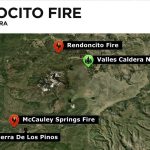
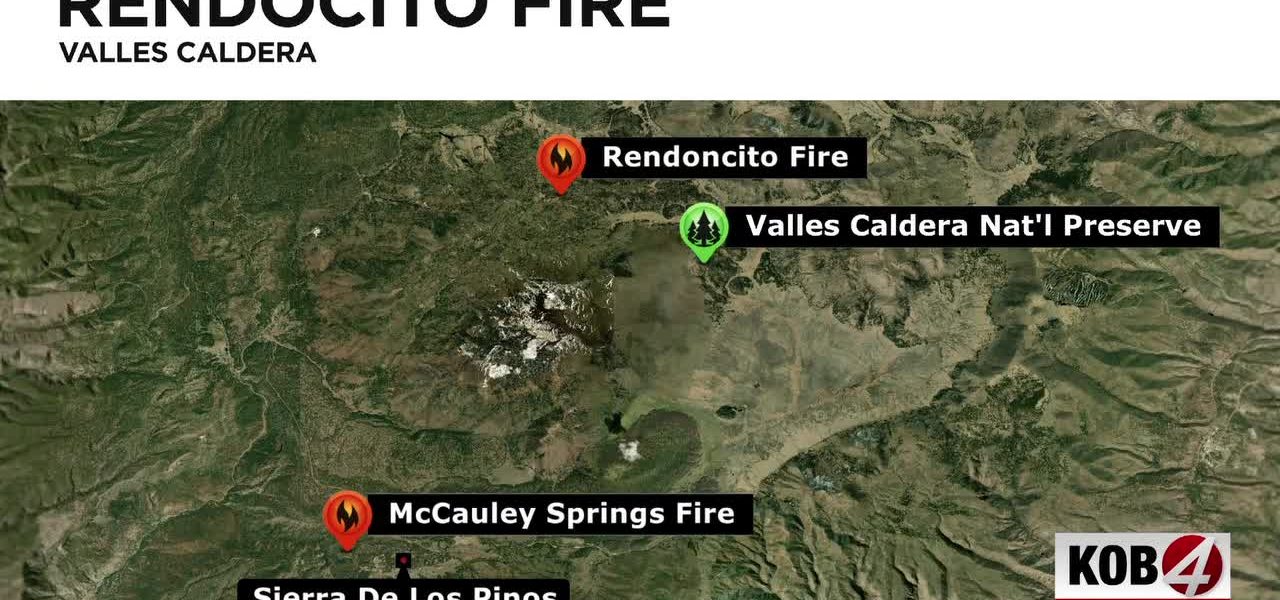
It’s not about one huge inferno this time, more like a constellation of challenges. Take the McCauley Springs Fire, for instance. Fire crews from all over, even some from Bandelier National Monument, have been battling it out. And they’re not just managing their own; these same firefighters found themselves scrambling to another hot spot, helping to contain what they call the Rendocito Fire. That one was small enough, really — it burned around 7 acres, barely a blip on the radar for what these crews usually face, but it still means precious resources diverting to another immediate threat. You can only spread a fire line so thin before something breaks. [QUOTE_PLACEHOLDER]
Down in Sierra de los Pinos, a little pocket of relative good news emerged when people evacuated from Sierra de los Pinos are allowed to return home. It’s a small win, a temporary respite in a state that feels like it’s constantly on edge. The McCauley Springs Fire itself? It’s holding steady at 43% contained and 712 acres, which isn’t full control by any stretch, but at least it isn’t gaining ground at a terrifying pace. That’s the best one can often hope for. The state, it seems, just can’t catch a break, battling this environmental havoc while still grappling with other significant challenges, from local disputes over land use, like those faced by residents in Bernalillo County, to broader institutional struggles involving, say, New Mexico University.
Meanwhile, the Beehive Fire in the Carson National Forest keeps right on going. Fire crews working on the Beehive Fire in the Carson National Forest say they’re making progress. But, let’s be real, the fire is still no where near contained. In their last update, these crews managed to keep it at 4,100 acres. Progress, perhaps, is in the eye of the beholder, particularly when every gust of wind feels like a potential catastrophe waiting to happen. It’s an unrelenting grind for these firefighters, a physical and psychological battle that leaves them, and the communities they serve, utterly drained.
And then there’s the Sacaton Fire, deep in the Gila National Forest. This fire was sparked by lighting back on June 21, — and it’s now burned 372 acres. Crews say it’s burning in extremely rugged terrain making fighting it difficult. It’s a scenario playing out not just in New Mexico, but in places like California, Oregon, and Colorado, where the wildland-urban interface becomes a tinderbox, year after year. The very landscape, once revered, turns hostile.
📄 POLICY WIRE WHITEPAPER PUBLISHED: PAKISTAN'S NATIONAL SECURITY POLICY PRIORITIES
👉 READ BY CLICKING HEREThe echoes of this particular predicament — the intense heat, the parched land, the raging fires — aren’t just confined to the American Southwest. You see stark parallels unfolding thousands of miles away, particularly across South Asia and parts of the Muslim world. Pakistan, for instance, a nation grappling with its own climate vulnerabilities, experiences its brutal heatwaves and water shortages, sometimes leading to devastating floods that mirror the intensity, if not the form, of New Mexico’s wildfires. The policy debates there, about water allocation and resource management, are incredibly tense, like the arguments over the Indus Waters Treaty. These distant fires, whether literal or figurative, highlight a global interconnectedness, a shared susceptibility to an erratic climate that seems to be breaking new records with alarming regularity. It’s all part of the same big, ugly environmental picture, just painted on different canvases. And nobody, really, is coming out of it unscathed.
What This Means
This localized battle against fire, while seemingly isolated, carries profound political — and economic undertones. The constant expenditure on fire suppression isn’t just a budget line item; it’s a significant drain on state and federal resources that could be directed towards education, healthcare, or infrastructure. Because the focus shifts, it becomes a yearly scramble. Think about the impact on tourism, the bedrock of many local economies here — closed forests and smoky skies aren’t exactly vacation brochures. It’s forcing state and national park management to reassess access, risk, and response, fundamentally altering how these natural assets are managed. The recurring intensity of these events also drives deeper policy conversations around land use, controlled burns, and even climate change mitigation at state and federal levels. You can’t keep pouring water on a bonfire fueled by decades of policy missteps — and an ever-warming planet, right? This isn’t just about trees; it’s about dollars and policy choices that’ll ripple for generations. And they’re often tough choices to make, politically unpopular, even when the evidence is literally burning around you.