

New Mexico’s Wildfire Crisis: A Harsh Climate Reality
New Mexico battles relentless wildfires, a harsh 'new normal' driven by a 1200-year drought and climate crisis. Discover the profound impact on communities.

POLICY WIRE — Santa Fe, New Mexico — The dust, heavy with the scent of singed pine and a faint chemical tang of retardant, finally began to settle across parts of New Mexico this week, offering a fragile respite. For folks in Sierra de los Pinos, a flicker of normalcy returned as evacuation orders lifted. But don’t misunderstand: this isn’t some tidy end to a crisis. It’s just a pause, a moment to catch one’s breath before the next gust fans the embers of what’s clearly becoming the state’s harsh, new normal.
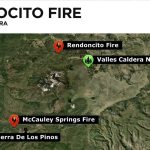
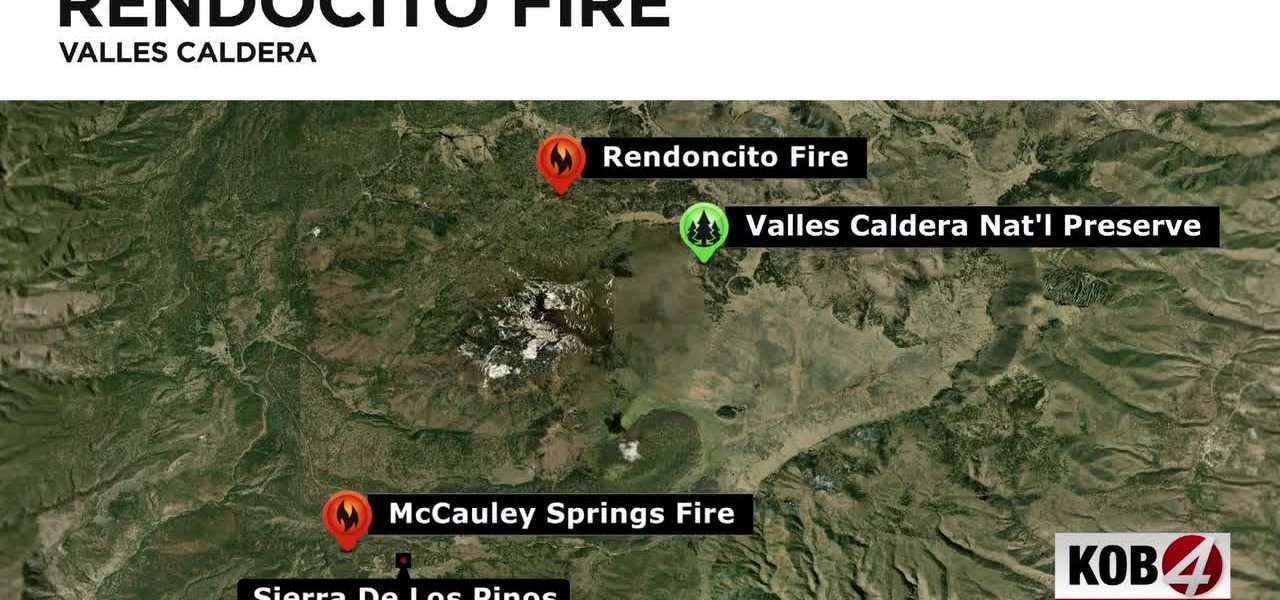
After weeks of choking smoke and nervous vigilance, crews on the ground managed to push back the McCauley Springs Fire, getting it to a reported 43% containment. That’s good news, obviously. But the numbers tell a story of sheer scale, a grueling, grinding battle against a landscape that just wants to burn. While the McCauley Springs held at 712 acres, fire personnel simultaneously jumped to squelch the Rendocito Fire in the Valles Caldera — a smaller skirmish at seven acres, mercifully. Out in the Carson National Forest, the Beehive Fire refused to budge from its estimated 4,100 acres. And then there’s the Sacaton Fire, a stubborn 372-acre blaze sparked by lightning way back on June 21, currently making life hell for crews in the Gila National Forest thanks to its “extremely rugged terrain.”
This relentless dance between fire and firefighter isn’t some freak occurrence anymore; it’s a persistent, ugly symptom of a deeper malaise. “This isn’t just about putting out flames; it’s about our communities’ resilience, and about acknowledging the harder truth that these fights are becoming our new normal,” Governor Michelle Lujan Grisham reportedly said earlier this month, her tone somber, yet determined, as she spoke to reporters in Santa Fe. It’s a sentiment echoed by many. We’re living it. They’re living it.
Because, for New Mexico, “new normal” means navigating the fallout of an accelerating global climate crisis right here at home. Data shows the state has endured its driest 22-year stretch in a staggering 1,200 years, according to research published in *Science Advances* in 2022. Let that sink in. Twelve centuries. That’s not just a dry spell; it’s a parched epoch, a geologic drought that makes every spark a potential inferno. It’s no wonder fire seasons lengthen, grow more intense, — and burn deeper into forest ecosystems.
And while New Mexico grapples with its scorched earth, the spectre of climate-driven catastrophe looms globally. Nations far flung, from Pakistan — which saw a third of its landmass submerged by floods in 2022, displacing eight million souls and incurring damages upward of billions of dollars — to other parts of South Asia and the Muslim world, see their landscapes transformed by increasingly erratic weather patterns. These aren’t isolated incidents, but rather grim variations on a single, suffocating theme. They’re stark reminders that the consequences of a warming planet don’t discriminate by longitude or latitude, nor by creed or political affiliation.
Our fire professionals, those anonymous heroes working thankless shifts, know this grim reality firsthand. “We push, they push back. Every acre clawed back is a victory, sure, but the ground remains a tinderbox. We’ve got more long, hot summers ahead, folks,” said Jesse Sanchez, a veteran Forest Service incident commander overseeing operations near the Gila. You don’t get much more blunt than that, do you?
📄 POLICY WIRE WHITEPAPER PUBLISHED: PAKISTAN'S NATIONAL SECURITY POLICY PRIORITIES
👉 READ BY CLICKING HEREHighway 4, after its temporary closure, has reopened as crews continue their dirty, dangerous work. Life inches forward. But this isn’t just a fire story anymore; it’s a story about adaptation, about a forced re-evaluation of how communities and governments live with and respond to a hotter, drier world.
What This Means
This prolonged period of intense wildfire activity isn’t just an ecological problem; it’s a profound political and economic burden on New Mexico. The immediate costs, of course, include millions in firefighting resources – manpower, equipment, and suppression efforts that deplete state and federal budgets. But the longer-term ramifications hit much harder. Local economies, particularly those reliant on tourism (think national forests, scenic byways, recreational areas), take a beating. Resorts — and small businesses often suffer significant revenue losses, sometimes irreparable. Beyond the economic hit, there’s the ongoing political calculus: how much of the state’s budget can realistically be siphoned off for fire prevention, mitigation, and recovery? It’s a zero-sum game, often at the expense of education, healthcare, or infrastructure projects. Politicians, like those navigating the complexities of an embroiled state university, must contend with constituents increasingly worried about their homes, health, and livelihoods.
But there’s also the subtler, insidious toll: the psychological impact on communities, the constant fear of evacuation, the destruction of pristine natural spaces that define the state’s identity. Federal assistance, while available, comes with its own bureaucratic hurdles and isn’t a panacea for the chronic degradation of land. This constant battle reshapes local priorities, forcing officials to reconsider zoning, building codes, and water management. It becomes an intractable policy problem that simply doesn’t fade with the last ember.