


UK Prime Minister Starmer Steps Down, Burnham Confirms Bid for Labour Leadership
POLICY WIRE — London, United Kingdom — British Prime Minister Keir Starmer announced on Monday his intention to step down from his leadership role, conceding a ...

POLICY WIRE — London, United Kingdom — British Prime Minister Keir Starmer announced on Monday his intention to step down from his leadership role, conceding a significant loss of confidence from his own rank-and-file Labour Party members in Parliament. This concession marks a pivotal moment in British politics, triggering a contest for the helm of one of the nation’s two major parties. (Reporting based on wire reports)
The announcement from Starmer sets in motion a timeline for succession, with a new Labour leader potentially chosen as soon as the middle of July. This expedited timetable underscores the urgency within the party to establish new leadership following a period of internal disquiet.
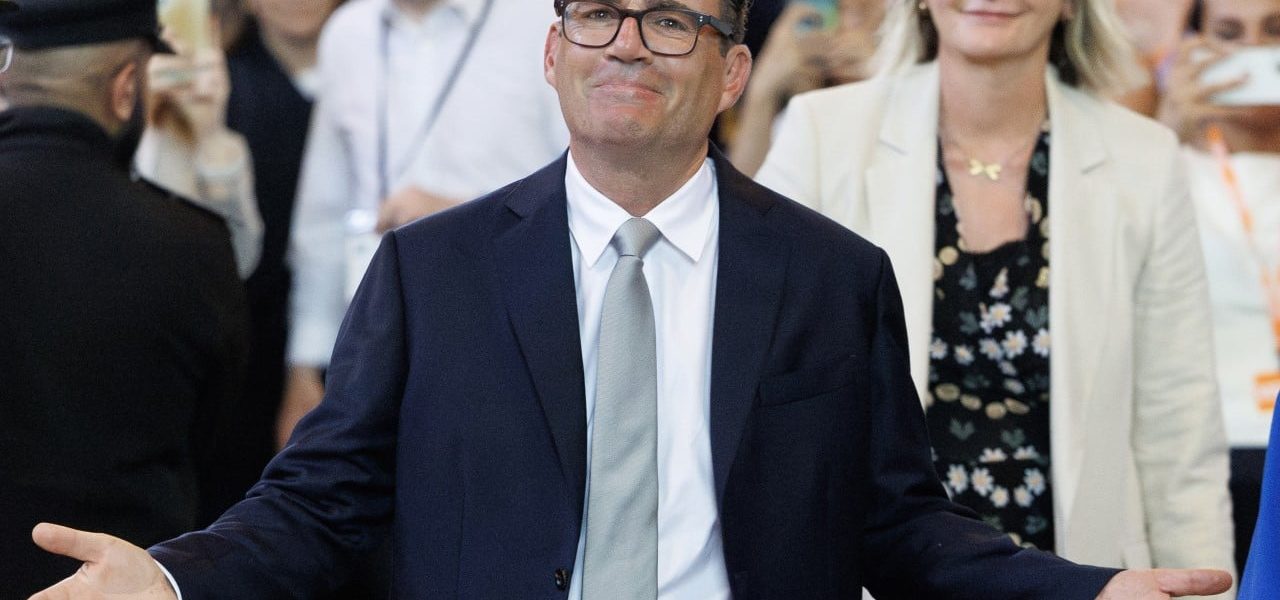
Andy Burnham, the former mayor of Greater Manchester, has swiftly emerged as a prominent contender. Burnham confirmed he would put himself forward to succeed Starmer, signaling his ambition for the top party job. His decision follows a resounding victory in a special UK election last week, an event widely seen as the immediate catalyst for Starmer’s resignation.
The current developments are set to reshape the landscape of British politics, particularly for the Labour Party, as it navigates a critical juncture. Starmer’s departure comes amidst questions about the party’s direction — and electability. A leadership contest often brings both rejuvenation and division, and the weeks ahead will likely be closely watched for signs of unity or further fragmentation within Labour ranks.
📄 POLICY WIRE WHITEPAPER PUBLISHED: PAKISTAN'S NATIONAL SECURITY POLICY PRIORITIES
👉 READ BY CLICKING HEREBurnham’s entry into the leadership race adds a significant dimension. His recent electoral success could position him strongly with party members, though the internal dynamics of a Labour leadership battle are historically complex and can yield unexpected outcomes.
What This Means
Keir Starmer’s resignation will undoubtedly trigger a period of introspection — and realignment within the Labour Party. The rapid ascent of Andy Burnham, buoyed by his recent special election triumph, suggests a potential shift in the party’s strategic direction or public image. What remains to be seen is how quickly the party can unify behind a new leader, and what electoral strategy will be pursued to challenge the ruling government. Will Burnham’s candidacy coalesce broad support, or will other hopefuls emerge, leading to a more drawn-out and contentious battle? The next few weeks will provide critical answers, shaping not only the future of the Labour Party but potentially the broader trajectory of British politics.