
Portugal vs Croatia: World Cup Exit, End of an Era?
Is it the end of an era? Portugal vs Croatia in the World Cup knockout means more than just a game. Unpack the brutal calculus of legacy, finance, & national pride.

POLICY WIRE — Toronto, Canada — It’s July, but the chill winds of sporting elimination are already biting hard. We’re not talking about geopolitical tensions—not yet—but the far more immediate, deeply felt despair of national football teams bowing out of the World Cup. Tomorrow’s fixture, a deceptively benign clash between Portugal — and Croatia, offers precisely that. It’s a gut-wrenching prospect, not merely for the fans—but for the colossal financial ecosystems built around these aging gladiators.
Think about it. This isn’t just a game of kicks — and sprints. Because when the world’s most recognizable athletes—icons like Cristiano Ronaldo or Luka Modric—take the field, they’re shouldering the weight of national pride, corporate sponsorships, and fan dreams. An exit from this particular ‘Round of 32’ isn’t just a loss; it’s a direct hit to a nation’s soft power, a blow to player brand equity that even multi-million-dollar contracts can’t entirely cushion. One of these powerhouse nations, one with genuine aspirations, is headed home, earlier than anticipated. A jarring reality, wouldn’t you say?
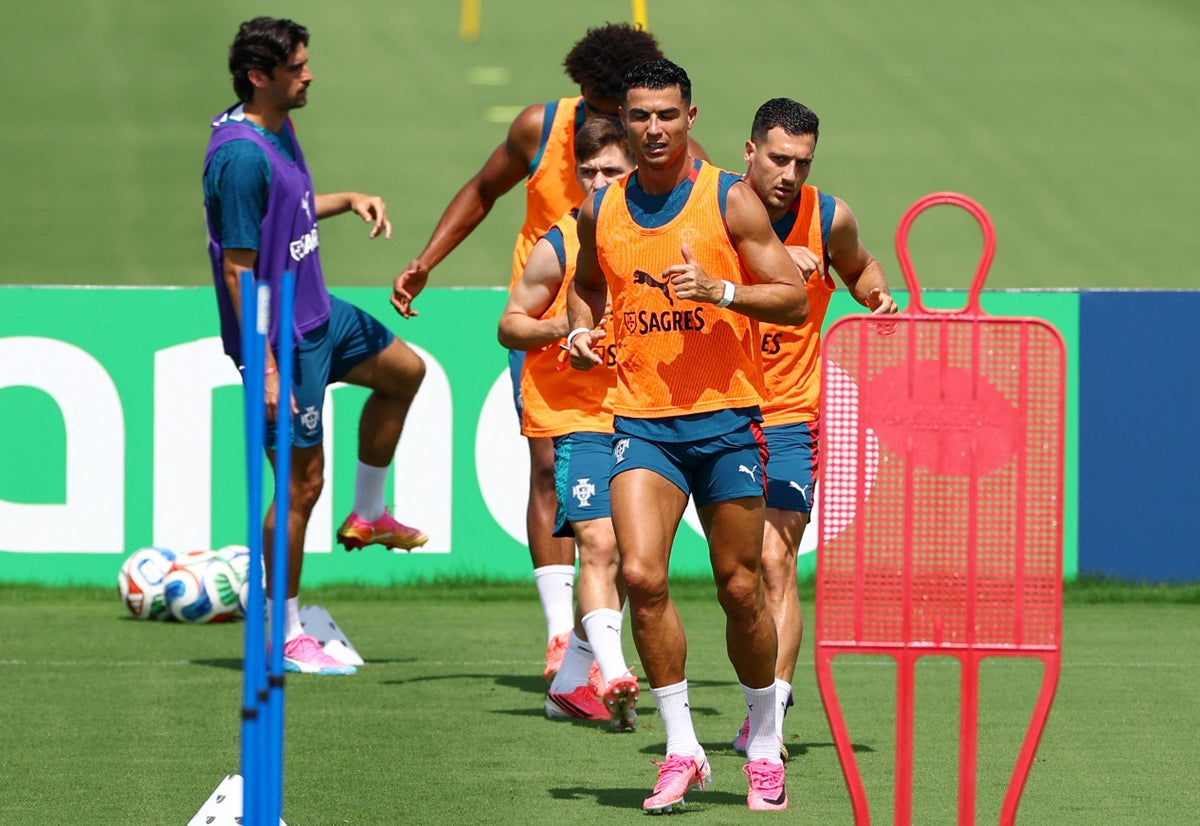
Portugal, after a rather languid start—drawing with DR Congo, then pummeling Uzbekistan 5-0, and then that flat 0-0 against Colombia—finished as group runners-up. Their star, Ronaldo, has, of course, played every single minute. Which begs the question: is it dedication or a lingering shadow cast by an unshakeable ego? Their coach, Roberto Martinez, insists on a collective focus. “Look, we understand the public’s fascination with individual brilliance,” Martinez reportedly stated earlier this week, his voice measured but firm. “But we aren’t a collection of solo artists. We’re a symphony. Every player, every role—it matters. No one player is bigger than the crest on the shirt, — and that’s a philosophy we live by, truly.”
Croatia’s path to this stage felt more…Croatia. They absorbed a 4-2 beating from England, then stitched together victories against Panama (1-0) and Ghana (2-1) to claim second in their own group. They’ve got their own elder statesman in Modric, a wizard whose command of the midfield defies the conventional limitations of time. It’s a scrappy resilience, often overlooked by those captivated by flashier European neighbors. “There’s a fire that burns in the Croatian spirit that cannot be extinguished,” explained Boris Vrsaljko, a former Croatian Football Federation executive. “We’re accustomed to defying expectations, to battling to the very last whistle. That’s our history; it’s our footballing DNA. We won’t give less than everything, ever.”
And across swathes of the globe, far from Toronto Stadium’s turf, hundreds of millions will tune in. Think of Pakistan, for instance, a nation often captivated by the dramas of cricket, but where the European football leagues—and certainly a World Cup showdown involving two European heavyweights—commands immense attention. Youngsters there follow these giants with an almost religious fervor. But who will they root for? It’s not always simple national allegiance. Sometimes, it’s about a player. Sometimes, it’s about the underdog story. That’s the global pull. Indeed, a recent FIFA report indicated that the 2022 World Cup attracted a global unique viewership of more than 5 billion, a staggering testament to the tournament’s reach. Every match here adds to that digital pulse, fueling conversations — and economies far afield.
So, we’ll watch the chess match unfold. Will Portugal leverage the renewed confidence from their dominant win, or will Ronaldo’s perpetual presence, his quest for glory, ultimately become a strategic burden? Because Croatian coach Zlatko Dalić has undoubtedly been pondering exactly how to disrupt that Portuguese rhythm, that very delicate balance. (He’s not exactly short on defensive stalwarts either, with Gvardiol likely returning to bolster their backline, if rumors are to be believed).
What This Means
This match isn’t just a simple sporting event; it’s a high-stakes corporate quarterly report masquerading as football. For the Portuguese football federation, an early exit means lost revenue from future match fees, reduced brand visibility, and potentially stalled player market values. For key individual players, particularly those nearing the twilight of their careers, this tournament is their last, best shot at solidifying their legacy and, yes, their personal brands. Consider the economic ripple effect: endorsement deals, social media engagement (which translates directly into cash for modern athletes), even future coaching or punditry roles—they’re all tied to World Cup performance. A national team’s run can galvanize an economy, boost tourism, and foster a transient but powerful sense of unity that even seasoned politicians can only dream of conjuring. Conversely, a poor showing can spark national introspection and criticisms that extend beyond the mere confines of the pitch, even impacting political narratives. The transfer market also pays keen attention; a strong World Cup performance can send a player’s valuation soaring, impacting club budgets globally. It’s cold, hard capitalism dressed in cleats — and national colors.
Ultimately, one powerhouse, one nation brimming with footballing history and current ambition, faces an abrupt, potentially painful exit. That’s the brutal calculus of a World Cup knockout stage. It’s less about who wins, perhaps, — and more about what everyone loses.