
Ireland’s Neutrality Shift: Standing with Ukraine
Discover how Ukraine's war is redefining Ireland's historic neutrality. Zelensky's Dublin address ignited a powerful shift, demonstrating moral courage and solidarity. Learn what this means for...

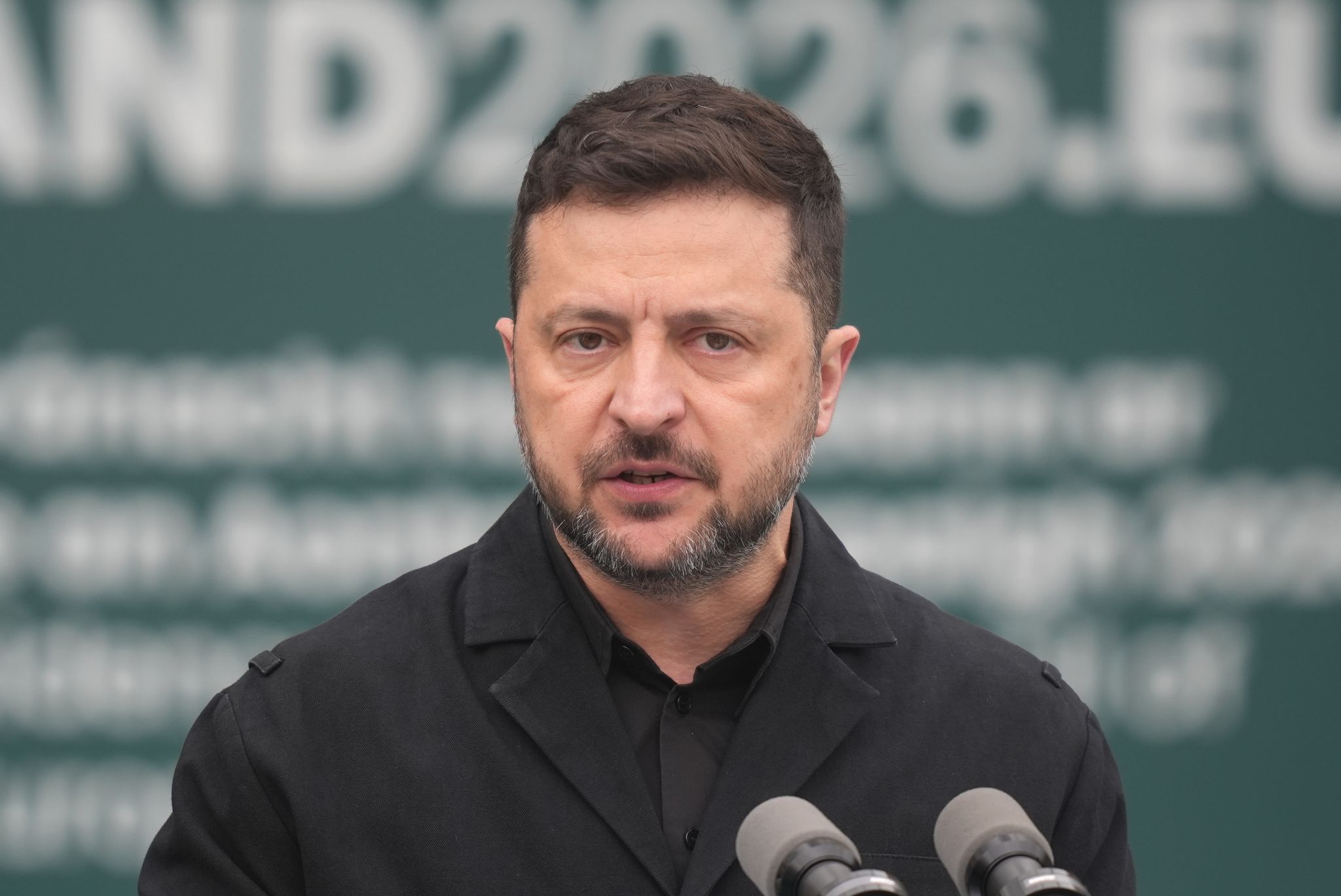
POLICY WIRE — DUBLIN, IRELAND — Dublin Castle. It isn’t just any government building; for centuries, it stood as a raw, tangible symbol of foreign rule. Then it morphed, becoming the locus of a hard-won independence. Quite the stage, really, for Ukrainian President Volodymyr Zelensky’s recent address, isn’t it? It’s not about pomp — and circumstance alone, it’s a living history lesson. A stark reminder that national sovereignty isn’t merely granted; it’s often seized, then ferociously defended.
Ukrainian President Zelensky wasn’t simply trading pleasantries within those ancient Irish walls. He was connecting—and deeply—with a nation whose own, difficult journey from the shadow of empire to fierce self-determination gives its contemporary support a certain gravitas many allies just can’t quite match. An unexpected pairing, you might think: a beleaguered Eastern European country — and a historically neutral island state. But their stories, in some peculiar ways, do echo each other.
And that historical resonance? That’s precisely why Dublin’s recent, deliberate diplomatic shifts—moving Ireland farther, if gingerly, from its famed non-alignment—aren’t just polite diplomatic nods. No. They’re a significant policy declaration, a message broadcast worldwide: some battles are simply too important for principled detachment. Taoiseach Simon Harris, Ireland’s head of government, spoke recently to this evolving position. “We understand the crushing agony of a people fighting for their very identity and the right to simply exist,” he outlined, signaling further humanitarian aid and Ireland’s continued, firm stance against Russian aggression. “Our long-held neutrality isn’t, and never has been, a synonym for blindness; it’s a careful recognition of what principles are truly worth defending, always.”
Zelensky, ever the compelling orator, played naturally to that very history. “The very spirit of freedom, the unyielding fire of independence—you’ve felt it, you’ve known it in your bones, you’ve built a proud nation upon it,” he told Irish lawmakers and assembled dignitaries, his voice raspy from two years of unending war. “And now, here you are, you stand with us. It’s so much more than just bombs — and bullets; it’s a shared heart, a moral courage. It truly means the world to my people that Ireland—so far geographically, yet so incredibly close in spirit—refuses to allow indifference to win.”
Because for a remarkably long time, Ireland cultivated a distinct kind of principled detachment. It’s tricky terrain, after all, trying to navigate these often brutal global crises when your national identity is so intimately intertwined with the concept of neutrality. But Moscow’s all-out war in Ukraine? That’s busted up old definitions. It’s made the moral clarity of choice a real gut check, even for nations far removed, geographically speaking, from the immediate fight. This dynamic plays out far beyond Europe’s borders, too. Think of nations across South Asia or the broader Muslim world, countries like Pakistan, that have long held onto the complex legacy of non-alignment during the Cold War. Their economic — and geopolitical interests often push them towards hedging their bets, maintaining careful distance. But Ukraine’s plight is increasingly forcing tough questions upon these nations as well: How do you balance strategic autonomy against the raw, undeniable cost of global stability? How do you tell the difference between ‘neutral’ — and simply ‘uninvolved’?
Ireland’s robust economic support, while comparatively smaller than that of industrial giants, speaks volumes. According to the Kiel Institute for the World Economy, by late 2023, Ireland had committed nearly half a billion euros in various forms of aid to Ukraine. That’s not a king’s ransom, maybe, but for a smaller European economy—and a neutral one—it’s a serious financial and ethical commitment, sending a clear message.
What This Means
Ireland’s gradual, but undeniable, recalibration away from strict neutrality in the face of Russian aggression isn’t just an Irish story; it’s a mirror for a changing geopolitical landscape. It signals that even historical axioms can crack under sufficient moral pressure. Politically, it strengthens the cohesion of the European Union, which has largely, remarkably, presented a united front against Russia—making Moscow’s efforts to divide the bloc even harder. For Kyiv, it’s a constant morale booster, affirming that the international resolve, even in distant, ostensibly unconcerned corners, hasn’t fully evaporated. Economically, while Ireland’s direct contributions are significant for its size, the broader ripple effects of this prolonged conflict are still unsettling global markets, exacerbating everything from energy prices to grain shortages that affect everyone, from Dublin to Karachi. This conflict has redefined the term ‘geopolitical,’ reminding everyone that even small players like Ireland have roles in a grand, and rather messy, international theatre. Kyiv’s defense has relied on every bit of help it can muster, shaping the world order in unforeseen ways, forcing nations big and small to rethink their place and purpose.