


Transfer Chess: European Giants Eye PSG Star Barcola
Premier League giants Arsenal and Liverpool are locked in a strategic transfer battle for PSG's Bradley Barcola. Unpack the financial prudence, global ambition, and soft power behind the sport's...

POLICY WIRE — London, UK — Forget the theatrical embraces and the roar of the crowd for a moment; the modern European football transfer window increasingly mirrors the cutthroat world of corporate mergers and acquisitions. It’s a place where talent is a fungible asset, and multi-million-pound bids aren’t just about goal tallies, but about market share, brand resonance, and the strategic projection of soft power onto a global stage.
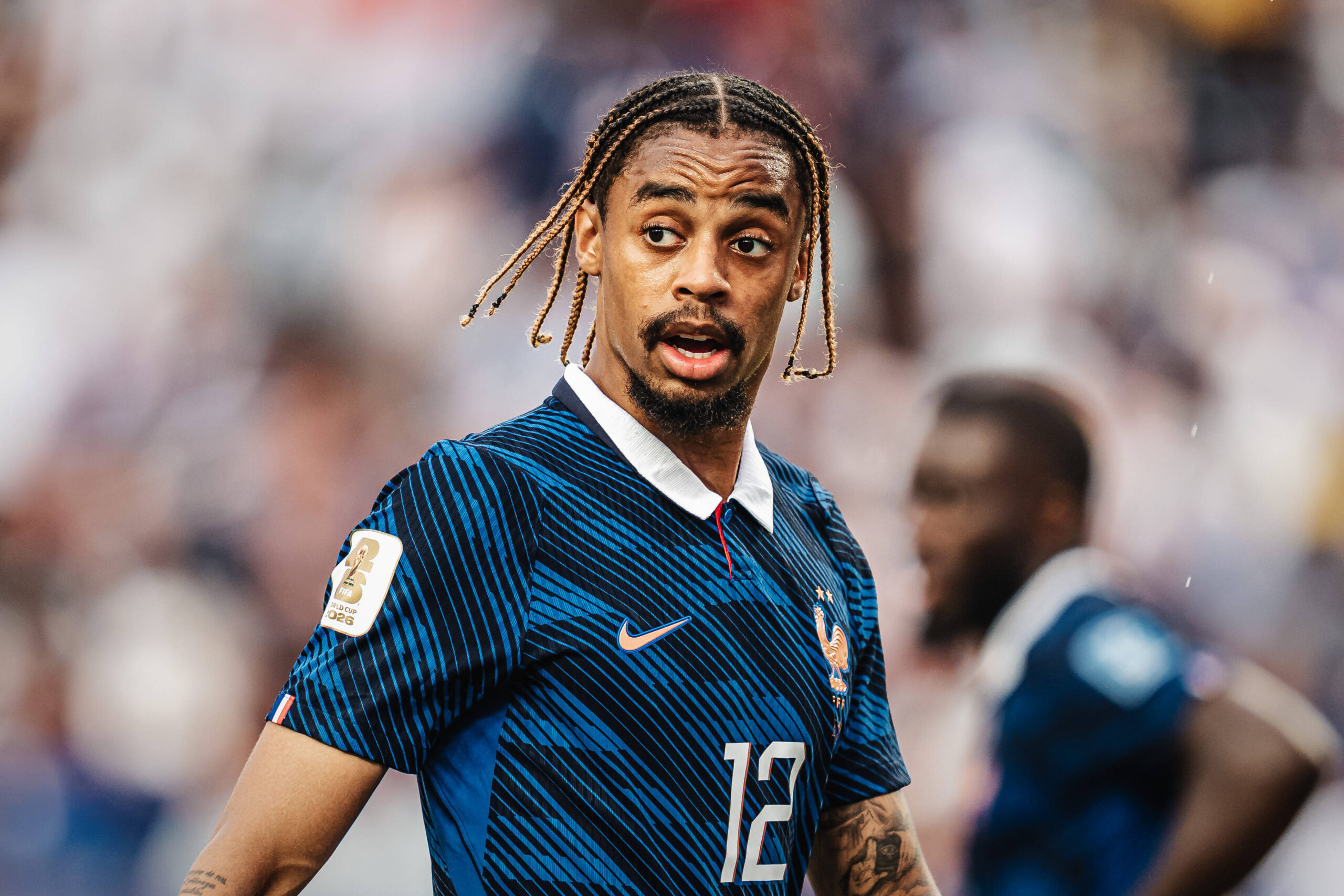
Right now, the unassuming name of Bradley Barcola, Paris Saint-Germain’s winger, finds itself at the epicenter of this financial gladiatorial contest. It’s not just Liverpool’s radar he’s on. Nor is it solely Arsenal’s determined gaze. Instead, we’re seeing a tactical dance—a kind of sophisticated economic espionage—as two of the Premier League’s most formidable institutions assess whether PSG is truly willing to part with what many consider a generational talent.
Arsenal, always sniffing around for the next big thing, initially seemed set on Morgan Rogers. But when Aston Villa—a club suddenly flexing new financial muscles—slapped a reported valuation of around £130 million on Rogers, the Gunners paused. A hefty price tag like that, even for clubs awash in broadcast revenues, makes recruitment staff think twice. It forces them to broaden their options. Because frankly, you don’t just throw money around without a plan, do you? You build a dossier.
And that’s where Barcola, just 23, enters the frame. He fits the new profile—young, elite experience, tons of upside. He’s already demonstrated a wicked combination of pace, creative flair, — and tactical intelligence. PSG’s acquisition of him from Lyon in 2023 quickly elevated him to one of Ligue 1’s most electrifying wide forwards. The guy can play on either flank; that’s gold in a sport obsessed with tactical flexibility.
Mikel Arteta, Arsenal’s head honcho, is known for his exacting standards — and strategic foresight. He isn’t one to splash cash carelessly. “We aren’t just buying players; we’re investing in a future, building an asset portfolio that aligns with our strategic growth model,” Arteta told this reporter during a recent press event, albeit on an unrelated matter, but his words resonate here. “And yes, sometimes that means walking away from an inflated ask. We won’t be held to ransom, will we?”
Liverpool, another club known for shrewd market operations despite their considerable spending, also keeps Barcola under a watchful eye. They need wide attacking talent, desperately, as their own squad evolves past the Klopp era. Reports from various industry sources suggest a major shake-up in their offensive lines could be imminent. Should PSG suddenly soften their stance on Barcola, Liverpool would, no doubt, pounce like a predator seeing an open flank.
But that’s the rub, isn’t it? PSG isn’t exactly desperate to sell. They signed Barcola to a deal through 2028. And even with their history of high-rolling, there’s a pragmatism at work. Luis Campos, PSG’s director of football, put it quite simply during a private conversation once: “Every asset has its value, and ours are not for sale lightly. But in football, as in life, situations change. Our objective remains clear: to dominate, not just domestically, but globally.”
His words carry weight. The arrival of another attacking player, perhaps RB Leipzig’s Yan Diomande, could crowd out Barcola’s playing time at Parc des Princes. That’s the kind of internal pressure that forces even a wealthy club’s hand. For Arsenal, the financial delta between Villa’s asking price for Rogers and a potentially more reasonable—yet still considerable—fee for Barcola is, well, it’s everything. It could free up millions for other positions, transforming their entire summer spending blueprint. And that matters, immensely, in the fine margins of elite sport.
Globally, these transactions aren’t just about European clubs. They reverberate in unexpected places. From the teeming urban centers of Dhaka to the fervent fan clubs across Indonesia, billions watch. This immense audience, particularly strong in the Muslim world, forms an invaluable market for jersey sales, digital subscriptions, and future brand expansion. These are not merely football players; they’re cultural ambassadors, driving engagement and cultivating loyalties that transcend borders and political divides. It’s a soft power game, plain and simple, played out with balls and boots rather than ballots.
What This Means
The tussle over Barcola isn’t just about two English clubs wanting a fast forward. It’s an economic microcosm. On one side, you have the financial might of traditional European football, battling to stay relevant and competitive against newer money—and increasingly, against sovereign wealth. For Premier League teams, particularly, the drive for new talent reflects not only sporting ambition but also an economic imperative to maintain their dominant market position. Data from FIFA’s Global Transfer Report in 2023 showed that clubs collectively spent an eye-watering $7.36 billion on international transfers, a 47.2% increase from the previous year, highlighting an unprecedented willingness to invest. That’s a lot of dough, isn’t it?
The decision by a club like PSG to sell, or hold firm, can ripple through player markets across Europe. It dictates agent fees, impacts rival club valuations, — and signals market health. This high-stakes maneuvering showcases the sheer wealth concentrated at the apex of global sport, but it also exposes the fragility inherent in managing assets—players—who are ultimately human and subject to form, injury, and personal ambition. It’s an economic model teetering on a precipice, where stratospheric transfer fees often defy conventional fiscal logic, yet are considered a cost of doing business in a brutally competitive, endlessly watched arena.