


MLB Paternity Leave: Why 3 Days Isn’t Enough
MLB's 3-day paternity leave policy is under fire. Learn how this outdated rule impacts fathers like George Springer, contrasts with global standards, and the call for change.

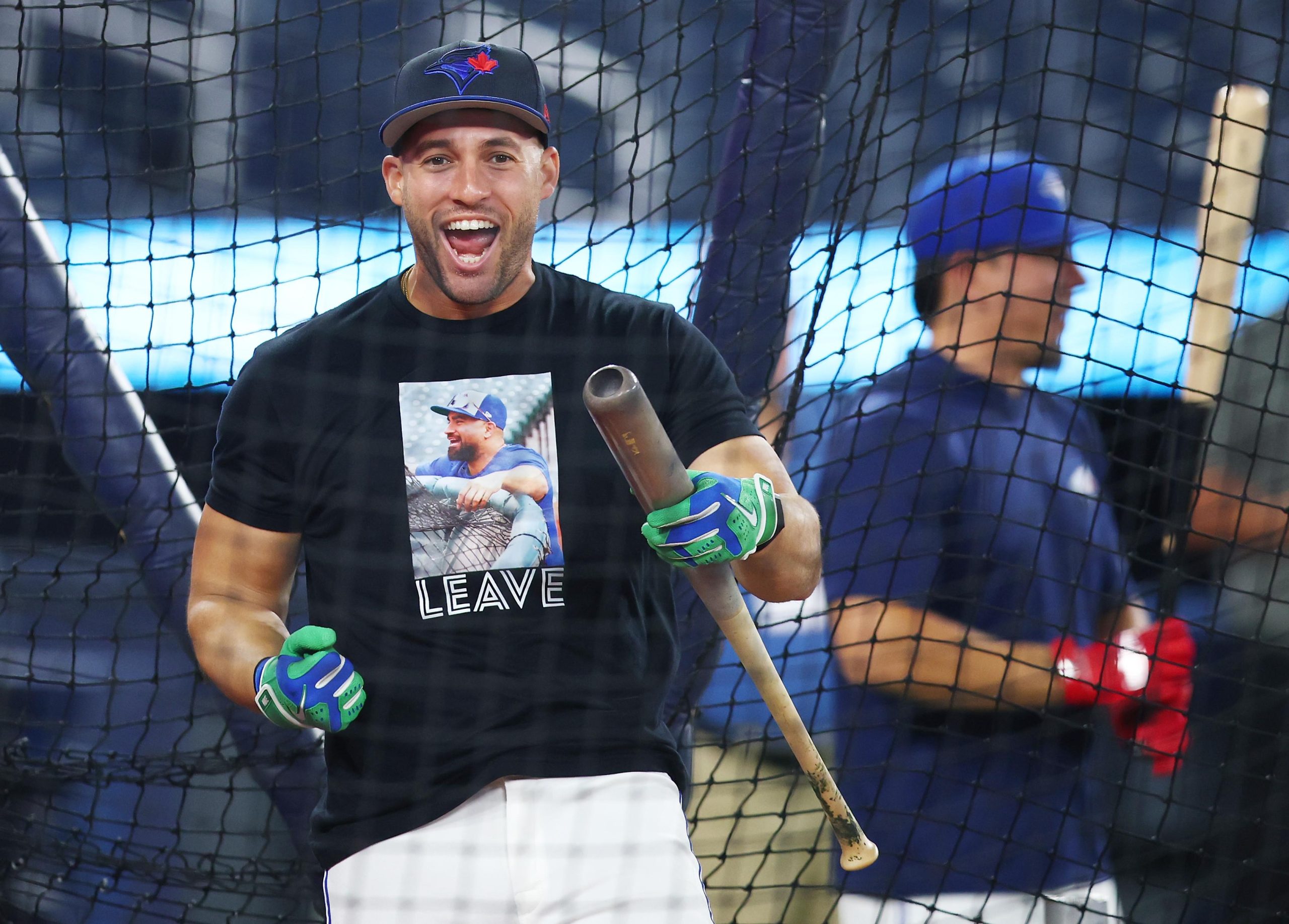
POLICY WIRE — Toronto, Canada — George Springer, a household name to baseball fanatics, isn’t just known for his on-field heroics. Lately, he’s earned another, less celebrated distinction: a temporary absence from the Toronto Blue Jays’ lineup due to paternity leave. Most wouldn’t bat an eye, really. And why would they? Professional athletes, for all their larger-than-life presence, are human, aren’t they? They’re allowed families. But this seemingly innocuous three-day pause—Major League Baseball’s famously Spartan allotment for new fathers—tells a story far richer than mere roster adjustments. It rips back the curtain on how even the most celebrated sectors treat parental responsibility, suggesting a glaring disconnect between societal expectations and institutional realities.
It’s 2026. One might reasonably assume that the notion of paternal involvement in early childhood is past its experimental phase. But here we’re, watching a multi-million-dollar industry dole out a benefit barely long enough to assemble a crib, let alone navigate the chaotic beauty of welcoming a new child. The brevity itself becomes a policy statement, a stark economic calculus masquerading as a perk. Young Jonatan Clase, Springer’s fill-in, won’t be enjoying Canada Day festivities in a permanent capacity; his presence is, by definition, transient. And, frankly, the league’s implicit message is that new fatherhood should be too.
“We support our players’ families, absolutely,” stated an anonymous MLB spokesperson earlier this year, echoing a corporate sentiment so bland it could’ve been generated by a machine. “Our paternity leave policy reflects a balance between family needs and competitive schedules.” That balance, one might observe, seems heavily skewed towards the competitive schedule. But then, it always has been. It’s an interesting quirk of North American professional sports, really, where massive contracts stand alongside fairly restrictive worker benefits.
Compare this minimal allowance to what many developed nations consider standard. Canada, for instance, offers up to 35 weeks of parental leave benefits. It’s not just about an extra hand with diaper duty; it’s about establishing those early bonds, supporting the mother, and reinforcing the idea that fatherhood isn’t just an afterthought. Data from the Organization for Economic Cooperation and Development (OECD) shows the average paid paternity leave across its 38 member countries is roughly eight weeks. The three-day MLB rule? It looks less like an evolving policy — and more like a historical relic – an embarrassing artifact of a bygone era.
“This isn’t about spoiling millionaire athletes; it’s about a basic human right to be present for your family,” asserted Maya Sharma, a spokesperson for the Global Parental Rights Coalition, in a recent online briefing. “When institutions as visible as MLB adhere to such antiquated norms, it sends a message, doesn’t it? That parental roles, particularly for men, are still secondary to the corporate bottom line.” She’s not wrong. It really does.
The cultural ripples extend further than just Western economies, mind you. Consider the broader Muslim world, a region often grappling with its own evolving socio-economic dynamics. In nations like Pakistan, where traditional family structures are strong and social safety nets often rudimentary, formal paternity leave remains an elusive concept for the vast majority. Small businesses, the informal economy, they dictate daily realities. You take time off? That’s income lost, simple as. Conversations around work-life balance in places like Islamabad or Karachi often hinge on basic survival, not the nuanced timing of parental bonds. So, while an MLB player gets three days paid leave, however insufficient it may seem to us, for a street vendor in Lahore, such a structured entitlement is an alien luxury, a distant dream perhaps.
What This Means
This fleeting paternal cameo for George Springer isn’t merely a baseball beat; it’s a symptom. It tells us about the enduring conservatism baked into many institutional policies, particularly in sectors that value tradition and predictable output above all else. Professional sports, for all its progressive public messaging on diversity and inclusion, often struggles with its own internal paradigms. The meager three days allocated isn’t just stingy; it signals a devaluing of the father’s role in modern family building, despite mounting evidence of its profound positive impact on child development and maternal well-being. It also highlights a global disparity, where in one corner, privileged athletes debate 72 hours vs. a week, while in another, millions struggle without any safety net at all. Policymakers, from league offices to government legislatures, could learn a thing or two from looking at these contrasts, for crying out loud. Because ultimately, families, in all their forms, drive economies — and shape societies, not just win championships. It’s high time policies started reflecting that, instead of treating new fathers like replaceable parts on a roster.