

NCAA Age Rule: College Football’s Strategic Lifeline
NCAA's new age rule extends eligibility for college football stars. Is this genuine reform or a strategic move to boost fan loyalty and the sport's multi-billion-dollar future?

POLICY WIRE — MANHATTAN, Kansas — It’s often the small print, the bureaucratic decree barely noticed beyond the hallowed halls, that reshapes empires. In this case, it’s the seemingly innocuous tweaks to college sports eligibility, handed down by the venerable — and often baffling — National Collegiate Athletic Association. They’re calling it an “age-based model,” a mouthful for a rule change that, at its core, extends careers for some athletes, making grown men who might otherwise be chasing semi-pro dreams (or mortgages) stay another year in the gilded cage of amateur athletics.
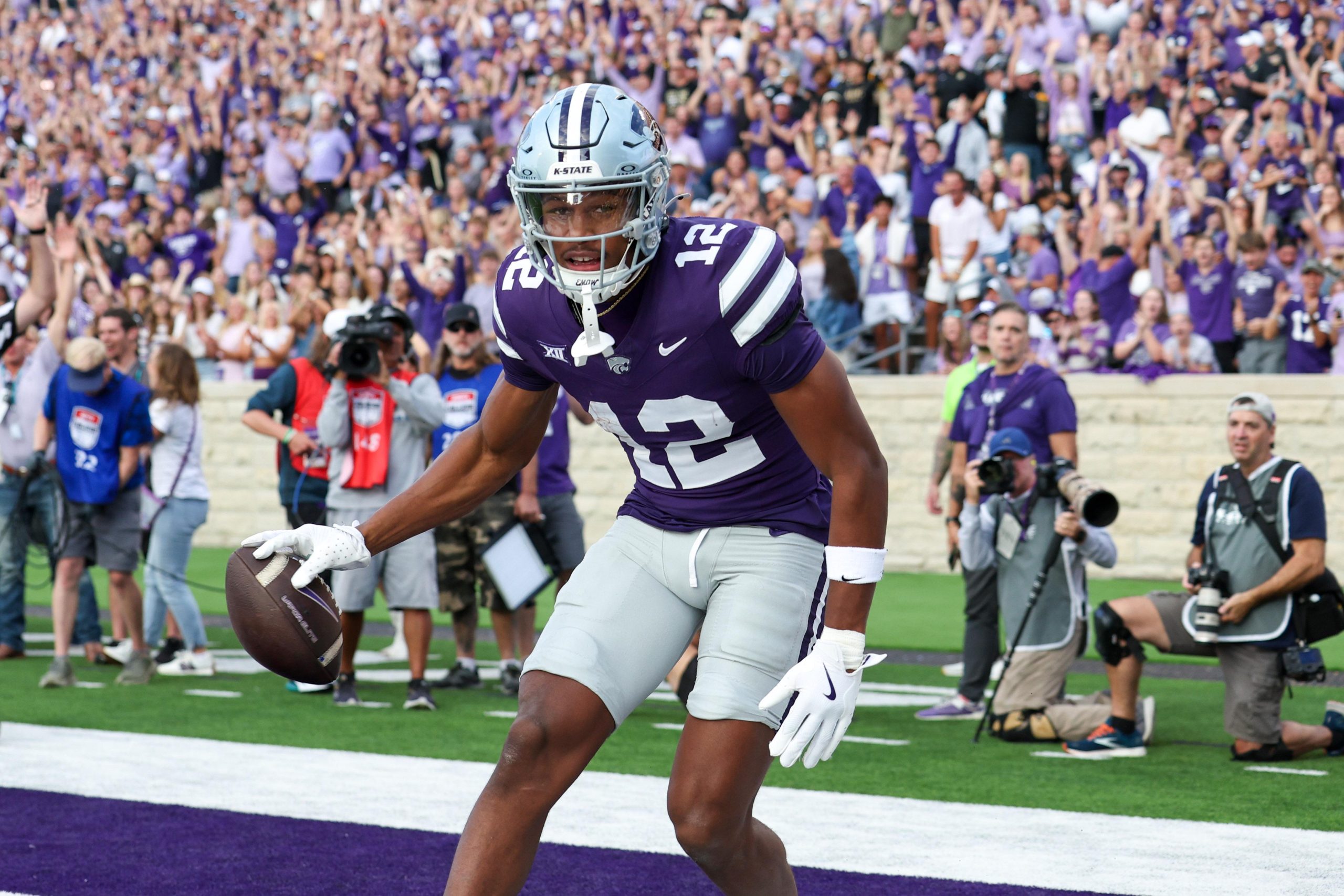
Take Kansas State, for instance. Specifically, their wide receiver room. When the dust settled on this latest NCAA pronouncement, three Wildcats – Josh Manning, Jaron Tibbs, and Adonis Moise – suddenly found themselves with an unexpected lease on their collegiate lives. An extra season. For the uninitiated, that means more catches, more campus notoriety, and a delayed entry into the brutal grind of the real world. Or, for those dreaming of Sundays, another shot at the big time. You wouldn’t think a seemingly academic rule change could ripple like this, but it does. Because college football, in all its money-making glory, is never just about the kids playing ball; it’s about dollars, dwindling fan loyalty, and the delicate art of PR.
The architects behind this shift — and let’s not kid ourselves, the NCAA is a massive, labyrinthine entity that often seems to trip over its own shoelaces — claim it’s all about “fairness.” Dr. Marcus Thorne, the NCAA’s nebulous-sounding Chair of Regulatory Affairs, put it predictably: “We’re always looking for ways to adapt our rules to the modern athletic landscape, ensuring fairness and opportunity for our student-athletes. This age-based model reflects that commitment.” It’s a beautifully polished soundbite, isn’t it? Almost makes you forget the years of legal wrangling and congressional scolding that typically precede such a pronouncement.
But the true pulse of college sports doesn’t beat in the NCAA’s sterile press releases. It lives on the sidelines, in coaches’ offices, — and with players who just wanna play. “You’ve gotta roll with the punches in this business. An extra year for these young men? We’ll take it. It helps build a strong foundation and gives them more time to grow, both on and off the field,” Kansas State Coach Chris Klieman reportedly remarked, likely with a wry smile, knowing full well the competitive advantage such windfalls bring. It’s a cynical dance, perhaps, but a necessary one.
The theory is simple: if you enroll by age 19, you get five seasons. It’s an attempt to stop the absurdity of seasoned European basketball pros turning up as ‘freshmen’ at age 27. More importantly, it’s a sly workaround to the convoluted redshirt rules and arbitrary waiver system that have bogged down player development for ages. It also, conveniently, throws a bone to what the powers-that-be internally describe as “disillusioned fans (mostly middle-aged and older)” – the very backbone whose wallets fuel this enterprise. Their concerns about athlete longevity — and continuity? Now being addressed, however belatedly.
This subtle bureaucratic maneuvering isn’t unique to American sports, you know. Far from it. Across the globe, from the academies of European football to the cricket grounds of Karachi, athletic organizations grapple with athlete development, eligibility, and the delicate balance of nurturing talent while safeguarding commercial interests. In Pakistan, for example, the Pakistan Cricket Board (PCB) frequently revamps its age-group criteria and selection processes, sometimes sparking outcry from players and their families whose careers hang precariously on policy shifts. The underlying mechanics of institutional power and individual aspirations are eerily similar, even if the ball is different.
For K-State, the benefit is undeniable. Manning, who wasted a precious freshman year getting limited snaps at Missouri, now gets his lost year back. Tibbs, similarly, suffered under an apparently — to quote observers — “inept” coaching staff at Purdue, but now sees an additional season on his ledger. Even Moise, whose freshman year was seemingly squandered with too few games to justify burning eligibility, gets a fresh start. It’s a lottery win for them, extending their window in a system that generated an estimated $4 billion annually from college football alone across major programs in 2023.
What This Means
This NCAA shake-up isn’t merely about player welfare; it’s a strategic economic pivot. By extending eligibility for certain players, the organization, perhaps inadvertently, injects a sense of veteran continuity back into teams, making rosters more predictable and, critically, more marketable to those aforementioned disillusioned fans. More familiar faces for longer means deeper engagement, which translates directly to sustained ticket sales, merchandising, and crucial television viewership — the true lifeblood of the college sports ecosystem. It also subtly mitigates some of the havoc wreaked by the transfer portal, giving institutions an incentive to keep their own talent instead of losing them immediately, though player attrition will always be a factor. From a macro-economic perspective, it represents a slow-burning acknowledgement that the free-for-all of previous eras was unsustainable, eroding fan connection and devaluing the perceived product. The irony, of course, is that a body once so staunchly resistant to treating its athletes as anything but amateurs is now openly manipulating career timelines for broader commercial stability. They’re trying to keep the golden goose from getting plucked bare, one eligibility extension at a time. It’s a pragmatic, if slightly disingenuous, approach to self-preservation in a volatile, multi-billion-dollar industry where the bottom line is king.