

Albuquerque Mosque: Community Clash Over Faith & Fear
Albuquerque's proposed mosque sparks fierce opposition, revealing deep community fault lines. Is it about traffic or prejudice? Unpack the battle over faith, fear, and identity.

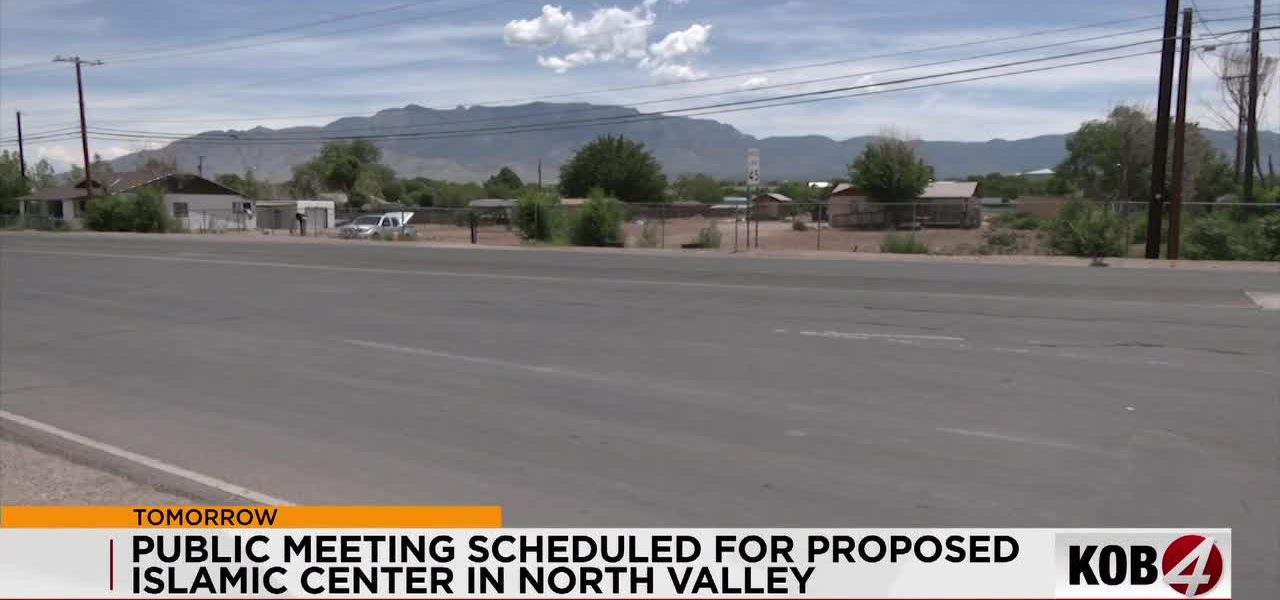
POLICY WIRE — ALBUQUERQUE, N.M. — It started with zoning paperwork, like so many civic headaches do. But the proposed mosque for Albuquerque’s North Valley—nestled discreetly near Second Street and Alameda—has quickly spiraled into something far less bureaucratic and a good deal more combustible. Forget mere traffic concerns. We’re watching a community wrestle with identity, fear, and a strain of public discourse that often lurks just beneath the surface.
On Wednesday, the Bernalillo County Commission Chambers at Alvarado Square are slated to host what’s shaping up to be less a meeting about variances and more a reckoning. The Albuquerque Islamic Center (AIC), a group that’s been chipping away at this project for a solid two years, has found its community-building efforts caught in a familiar crossfire. They’ve planned a religious — and cultural hub, sure, a place of worship and gathering for their burgeoning congregation. But that quiet aspiration, apparently, has struck a raw nerve.
Local opposition, ostensibly about congestion on already busy roadways, has, as the AIC points out, escalated with a nasty undertow. Whispers turned to shouts, and what the center describes as overt hostility and outright Islamophobia has seeped into public debate. It’s a script we’ve seen played out in countless American towns—a flashpoint that forces locals to confront how they really feel about their neighbors, especially the ones who pray differently.
Imam Sami Jamil of the Albuquerque Islamic Center didn’t mince words when Policy Wire reached out. “We aren’t building a fortress,” he explained, his voice laced with both frustration — and resilience. “We’re building a sanctuary. We’ve worked tirelessly, reached out, listened. This isn’t about traffic, it’s about a deeply troubling bias rearing its ugly head. Our community is as American as any other, and we simply ask for the same right to practice our faith and gather.” It’s a plain ask, you’d think, in a country founded on such principles.
But the practicalities often get lost in the noise. Critics raise a clamor about everything from parking to property values, their concerns amplifying through neighborhood social media feeds—a veritable petri dish for localized tension. Traffic, specifically, gets thrown around like a legal Hail Mary. Though, realistically, any new large building would raise similar traffic questions. And yet, this particular project ignites a distinct brand of vitriol. A 2023 report from the Pew Research Center indicates that Muslims represent approximately 1.1% of the total U.S. adult population, making them a minority group that often faces unique challenges in establishing communal infrastructure.
Bernalillo County Commissioner Isabel Delgado offered a more tempered, procedural view, emphasizing the city’s commitment to fairness. “Every proposed development, regardless of its nature, undergoes a rigorous review process,” Commissioner Delgado stated. “Our role is to ensure all local ordinances are met, and that community input is heard respectfully, ensuring due process for all parties. Our commitment is to objective assessment.” But objectivity, sometimes, struggles to compete with deeply held, albeit often unspoken, prejudice.
📄 POLICY WIRE WHITEPAPER PUBLISHED: PAKISTAN'S NATIONAL SECURITY POLICY PRIORITIES
👉 READ BY CLICKING HEREWhat This Means
This localized spat isn’t just about a plot of land in New Mexico. It’s a microcosmic snapshot of broader global frictions—the ever-present tension between entrenched communities and growing, often misunderstood, minority populations. The debate over a mosque in Albuquerque mirrors similar, often more violent, struggles across continents, touching upon issues of religious freedom, immigration, and national identity. You see it play out from European capitals grappling with Muslim integration to quieter corners of the American Southwest. It shows us that anxieties over ‘the other’ don’t recognize state lines. And while it might seem trivial in the grand scheme of things, these local skirmishes can harden attitudes, chipping away at social cohesion brick by painful brick.
The economic implications, too, bear watching. When rhetoric devolves into overt hostility, it doesn’t just damage community relations; it can deter investment, slow economic growth for an area perceived as unwelcoming, and foster an environment where diversity—a proven driver of economic innovation—is actively discouraged. A community unable to embrace its own expanding demographic mosaic eventually stagnates, intellectually and economically. But because these issues get politicized so quickly, finding common ground often feels like a herculean task.
Look, the underlying friction isn’t isolated to America’s borders. From the debates surrounding systemic educational failings in Lahore to how global security narratives sometimes inadvertently fuel local xenophobia, these anxieties ripple across borders. The image of the ‘other’ is often painted with the brush of international headlines, regardless of the quiet reality on the ground. A mosque isn’t a foreign policy statement. It’s a building. A prayer space. But for some, it’s a symbol they haven’t learned to read without fear. And that’s what makes the upcoming meeting so charged, so delicate. This isn’t just about traffic counts; it’s about what kind of city Albuquerque wants to be.