


MLB Drama: The Billion-Dollar Business Behind the Beefs
MLB's on-field 'beefs' and drama aren't just passion; they're a strategic business move generating billions. Discover how disputes, slumps, and prospects fuel the league's bottom line.

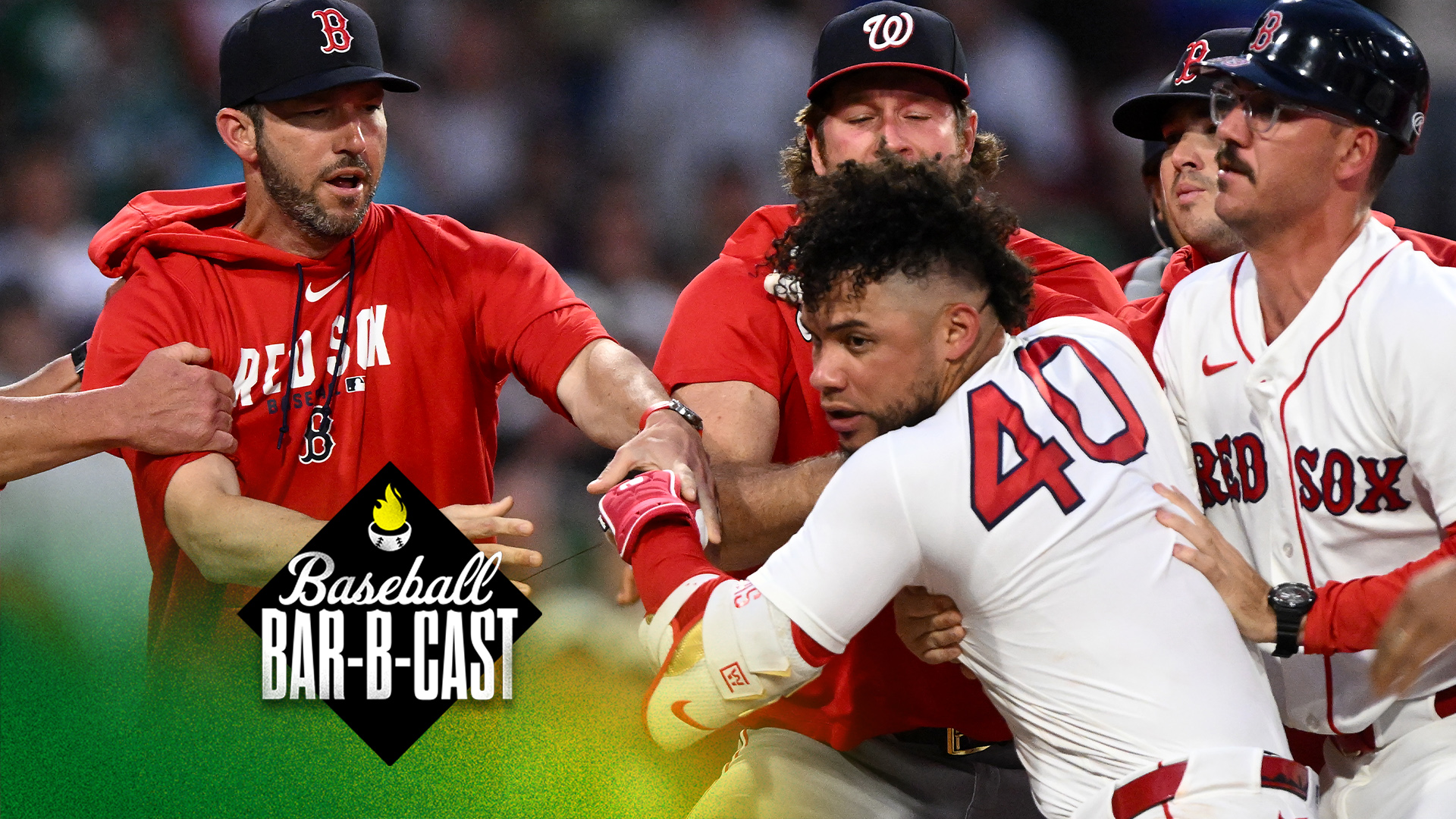
POLICY WIRE — New York, USA — Forget the myth of unbridled passion fueling baseball’s benches-clearing dust-ups. These aren’t just playground scraps; they’re often highly choreographed spectacles, a byproduct of a league — and a world — hyper-focused on commercial friction and manufactured drama. A bat flip, a hard slide, a misplaced word. They erupt, yes. But they also sell. Think of it: What else keeps eyeballs glued to a sport sometimes accused of being too slow, too steeped in tradition?
It’s no accident these theatrical spats seem to spike as the summer heat truly sets in, right when players, executives, and even fans are feeling the unrelenting grind of a 162-game season. A few weeks back, Chicago Cubs catcher Wilson Contreras certainly didn’t hold back his feelings about comments from Washington’s Cade Cavalli. Nor did Cleveland’s Josh Naylor shy away from a dust-up with former teammate Austin Hedges. Baseball, America’s sometimes-staid pastime, morphs into a simmering stew of rivalries. We get it, the emotions run high. But what about the valuations, the sponsorships, the delicate dance of perception in a global market?
“Player conduct, especially when it involves altercations, needs to be handled with an iron fist, yes, but also with an understanding of the competitive landscape,” offered an MLB front office executive, who requested anonymity to speak frankly. “We want passion; the fans demand it. But we don’t want anything that diminishes the brand. It’s a very fine line to walk—like balancing a tightrope in a hurricane, only there are billions at stake.” Billions, indeed. Major League Baseball reportedly pulled in north of $11 billion in revenue for the 2023 season, an all-time high, according to Forbes. Every on-field incident, every narrative arc, gets filtered through that lens.
Then there are the predictions. The future faces of the league. Baseball minds, including the dynamic duo of Jake Mintz and Jordan Shusterman, are already sifting through the amateur ranks, dissecting who among talents like Roch Cholowsky, Vahn Lackey, and Grady Emerson might ascend to the No. 1 overall pick in the 2026 MLB Draft. Jackson Flora, they’re telling us, looks like the undisputed top pitcher in his class. These aren’t just kids playing ball; they’re investments, multi-million dollar assets in waiting, the future economic engine of entire franchises. And those franchises? They’re always looking for new markets, new viewership, a piece of that ever-expanding pie.
And let’s not forget the New York Yankees. A franchise synonymous with prestige, their annual ‘June swoon’—as if it’s a seasonal weather pattern—is now firmly upon us. Losing a series to the Detroit Tigers, thanks in part to pitcher Cam Schlittler’s strong outing, just twists the knife a bit. For a team whose value is astronomical—often topping the league—a sustained slump isn’t just bad for the faithful; it’s a blip on corporate earnings reports, a drop in merchandise sales. Casualties ripple. But, of course, the show must go on. Even if it means seeing Junior Caminero get tapped for the Home Run Derby, a delightful distraction, one might say.
“We expect consistent excellence from our players, particularly at this level, given the expectations of our fanbase and our partners,” commented Brian Cashman, the Yankees’ general manager, his words carrying the weight of a team under intense scrutiny. “Every win, every loss, every perceived slight on the field—it’s all amplified in this environment. It impacts everyone, from the rookie to the owner, down to the guy selling hot dogs in the stands.” He’s right, it doesn’t just stay in the dugout. A global brand like the Yankees, or MLB generally, resonates far beyond the Bronx.
What This Means
This isn’t just about baseball. It’s a microcosm of the intense pressure-cooker environment surrounding modern professional sports, where the lines between competition, entertainment, and pure commercial enterprise blur irrevocably. These on-field theatrics—the ‘beefs’ and ‘swoons’—are woven into the economic fabric. For instance, the escalating value of young prospects speaks to the economics of America’s million-dollar athletes, where potential is capital.
The league, always eyeing expansion and fresh markets, uses these narratives to cultivate engagement across demographics. Think of MLB’s slow, deliberate push into Asia, including outreach to diverse communities. While cricket dominates from Karachi to Dhaka, a younger, digitally native generation in these regions is increasingly exposed to, and sometimes drawn to, the glamor and spectacle of American sports. They’re captivated by these dramas, the individual storylines, the financial stakes for athletes trying to avoid the harsh economics of a player’s final contract year. It’s an almost perverse validation of global capitalism: even perceived ‘failure’ can still contribute to the spectacle, and by extension, the revenue stream. And for every dramatic flare-up on the field, there’s an almost certainly corresponding bump in conversations, in clicks, in consumer attention.