


US Supreme Court Upholds State Bans on Transgender Athletes, Greenlighting Culture War Win
POLICY WIRE — Washington D.C., United States — In a move that significantly redefines the legal landscape for gender identity in scholastic sports, the US Supre...

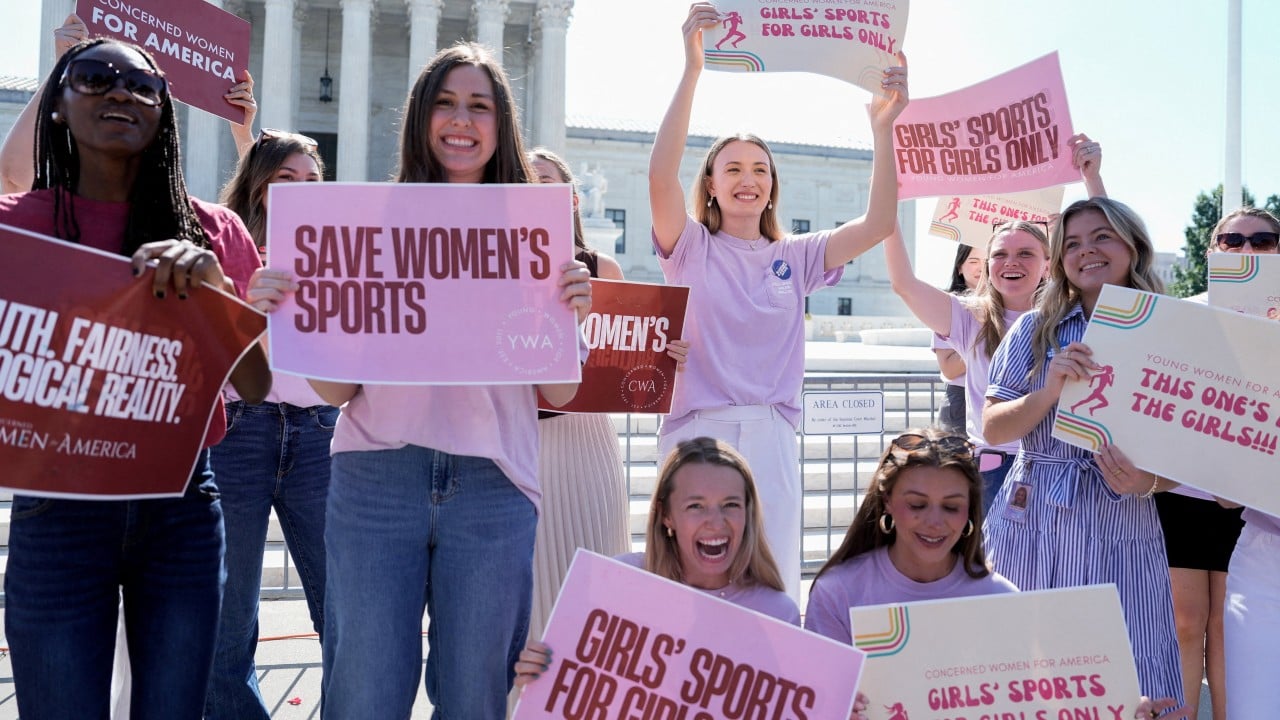
POLICY WIRE — Washington D.C., United States — In a move that significantly redefines the legal landscape for gender identity in scholastic sports, the US Supreme Court on Tuesday gave its clear endorsement to states implementing restrictions on transgender student athletes. The nation’s highest court specifically upheld legislative bans enacted in West Virginia and Idaho, effectively preventing transgender girls and women from competing on female sports teams in those jurisdictions. This decision marks a major victory for conservative factions entrenched in one of the country’s most fiercely contested social debates.
(Reporting based on wire reports) The rulings overturn previous decisions by lower courts that had sided with transgender students. These students had challenged the state bans, arguing they constituted violations of the US Constitution and federal statutes. The Supreme Court’s intervention signals a decisive shift, enabling states to move forward with similar legislation without immediate federal judicial impediment.
This long-running contention has pitted advocates for transgender rights, who emphasize inclusion and individual dignity, against those who argue for maintaining what they perceive as biological distinctions in sports, particularly concerning fairness and competitive balance in women’s athletics. The court’s posture clarifies, for now, that states retain broad authority in this domain, despite constitutional challenges raised on behalf of affected students.
The core of the legal challenge in both states revolved around claims that such bans violated equal protection under the 14th Amendment of the U.S. Constitution, as well as provisions of Title IX, the federal civil rights law that prohibits sex-based discrimination in any education program or activity receiving federal financial assistance. Lower courts, in their initial evaluations, had largely found merit in these arguments, recognizing potential discrimination against transgender individuals. However, the Supreme Court’s latest move dismantles those prior protective injunctions, allowing the state laws to take effect or continue unimpeded.
For transgender student athletes in West Virginia — and Idaho, this ruling carries immediate and profound consequences. It entrenches policies that many civil rights organizations contend are discriminatory and harmful to the mental and physical well-being of transgender youth. On the other side of the debate, proponents of the bans view the Supreme Court’s decision as a necessary step to safeguard the integrity and fairness of female sports, asserting that biological differences between cisgender girls and transgender girls create an unfair competitive advantage. The ruling will undoubtedly embolden other states considering or currently enacting similar legislative measures, providing them with clear judicial backing at the federal level.
The broader cultural battle over gender identity, particularly in educational and athletic settings, continues to be a defining feature of American political discourse. State legislatures across the country have introduced and passed hundreds of bills addressing issues ranging from medical care for transgender youth to pronoun usage and participation in sports. The Supreme Court’s decision, while specific to sports bans in two states, contributes significantly to the momentum of legislative efforts nationwide that seek to limit the rights and participation of transgender individuals in various public spheres. Its impact reverberates beyond the playing fields, influencing educational policy, anti-discrimination debates, and the ongoing interpretation of civil rights laws in an evolving societal context.
What This Means
The Supreme Court’s decision to uphold state-level bans on transgender student athletes represents a critical juncture in the legal and social struggle surrounding LGBTQ+ rights in the United States. Practically speaking, this ruling grants significant latitude to state governments. They’re now largely empowered to enact or enforce similar restrictions without the immediate threat of federal judicial override, essentially affirming that their interpretation of fairness in sports can supersede claims of constitutional and federal civil rights protections for transgender individuals.
This outcome will likely accelerate legislative activity in states that have previously hesitated or faced injunctions on such policies. Expect to see renewed efforts to pass and implement bans on transgender athletes, potentially solidifying a patchwork of differing rules across the country. For transgender youth, this creates an environment of increased uncertainty and potentially limits their access to extracurricular activities that are vital for development and well-being. Looking forward, the question remains whether further legal challenges, perhaps on different grounds or with newly presented evidence, could emerge to revisit these issues at the federal level, or if this marks a sustained judicial trend favoring state control over these sensitive policy areas.