


Cross-Channel Jeopardy: One Asylum Seeker’s Jail Sentence Ignites a Nation’s Fury and Debate
POLICY WIRE — London, United Kingdom — In a courtroom drama unfolding with chilling predictability, another small victory was declared for border enforcement this week, painting a grim picture for...

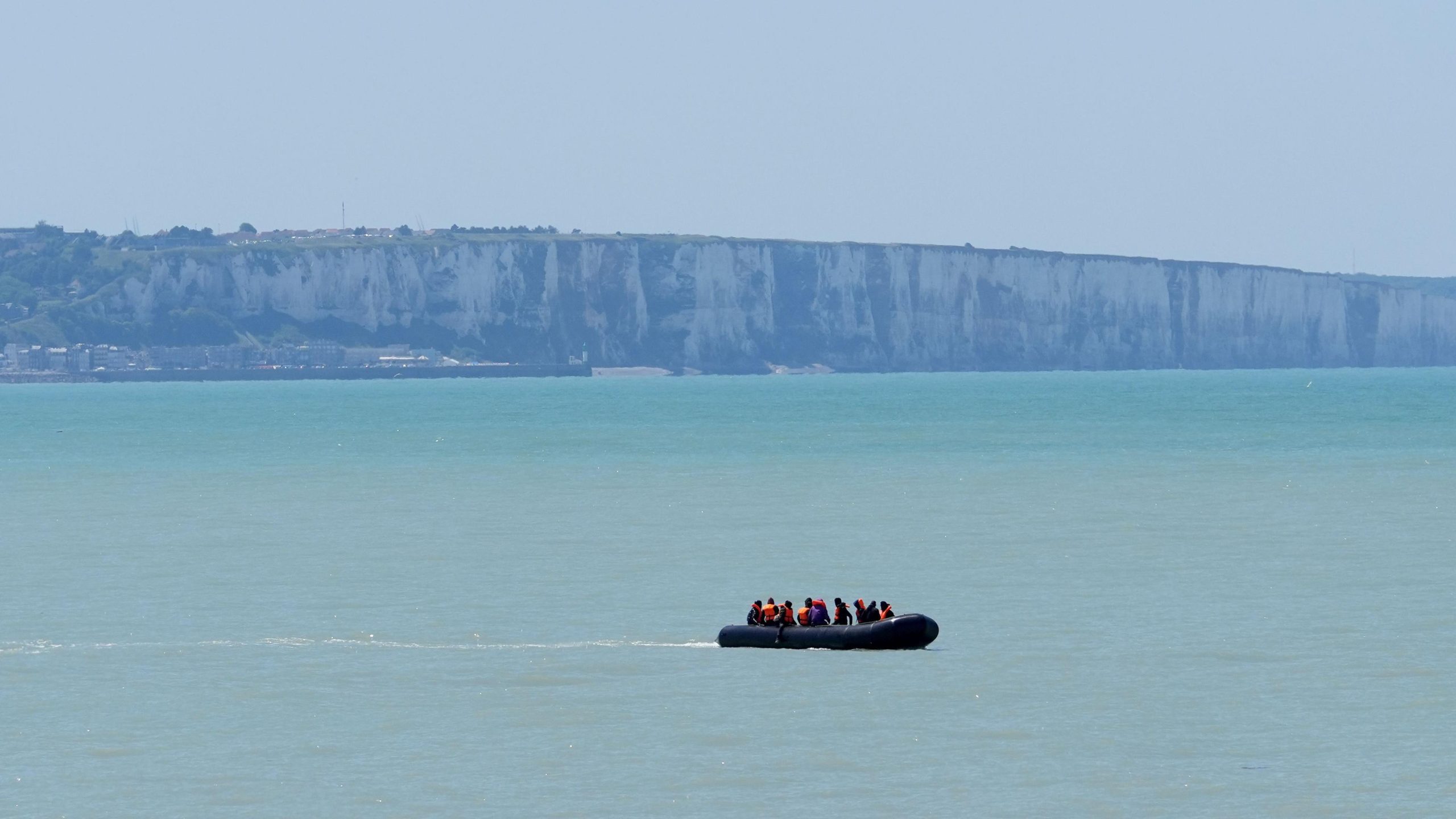
POLICY WIRE — London, United Kingdom — In a courtroom drama unfolding with chilling predictability, another small victory was declared for border enforcement this week, painting a grim picture for those desperate enough to traverse the tempestuous English Channel. A recent judgment saw an asylum seeker – an unnamed man, though reports suggest origins somewhere in the broader South Asian diaspora—sentenced to prison for the ‘crime’ of merely arriving on British soil via inflatable craft. This wasn’t about an act of violence. It wasn’t about espionage. It was, rather bluntly, about procedure. About deterrence. And that, frankly, tells you everything you need to know about where Britain’s often-bewildering immigration debate now stands.
It’s not just a single judicial outcome; it’s a policy crescendo, a carefully orchestrated chord struck in Westminster’s ceaseless struggle to “take back control” of its borders. But control, in this context, has a rather cold, clinical edge, doesn’t it? It suggests mastery over the unmanageable, over the ebb and flow of human suffering and hope that washes up on these shores.
For decades, British pragmatism, mixed with a healthy dose of post-colonial guilt and a dash of genuine compassion, guided how it approached those seeking refuge. No longer. Not really. The narrative has shifted, sharp — and uncompromising. The latest sentencing—it wasn’t particularly long, we’re told, but long enough—sends a shiver down the spine of humanitarian groups and provides another notch on the belt for politicians vowing ever-tougher action.
“We’re resolute in our commitment to stopping illegal migration,” declared a stern-faced Home Secretary, Priti Patel, in a prepared statement that read more like a threat than a promise. “This government will continue to do everything necessary to ensure those who break our laws face justice, protecting our borders and the integrity of our immigration system.” Because, apparently, upholding procedural integrity is paramount, even when lives hang in the balance, even when individuals have often fled circumstances so dire they barely bear mentioning.
But there’s a human element. And an ethical quagmire. Critics are quick to point out the disquieting implications of criminalizing the act of seeking asylum itself. “This isn’t about deterrence; it’s about making examples of people,” countered Labour MP Diane Abbott, speaking forcefully on a late-night news panel. “It’s a chilling precedent that punishes desperation and misunderstands the international obligations Britain once prided itself on. We’re turning refugees into criminals, — and for what? To score political points? The costs are far too high—both morally and financially.”
Indeed. Over 45,000 people crossed the English Channel in small boats in 2022, a record number, according to official Home Office figures. Each journey is fraught, each individual story complex, yet they’re increasingly lumped into a single, often dehumanizing, category: ‘illegal migrant.’ It simplifies a profound, global problem into a domestic nuisance, a ‘border problem’ rather than a humanitarian one that resonates deeply within regions like South Asia. Individuals from Afghanistan, Syria, and, yes, even parts of Pakistan frequently undertake these dangerous odysseys, driven by conflicts, economic precarity, and the sheer breakdown of social contracts in their home countries. They often aren’t choosing routes of least resistance; they’re choosing routes of last resort. The pathways they follow—sometimes involving treacherous journeys through Turkey, across Europe—speak to a global infrastructure of human smuggling that preys on vulnerability. And it often funnels them directly toward these perceived havens.
What This Means
This jailing incident isn’t an anomaly; it’s a further cementing of the UK’s hardline stance, aimed squarely at fulfilling populist pledges to “stop the boats.” Politically, it’s designed to project strength, to appeal to a segment of the electorate that feels overrun and underserved. It signals a doubling down on a policy of active discouragement—even criminalization—of unofficial entry, regardless of asylum claims. And frankly, it’s a calculated gamble ahead of upcoming elections, betting that fear of uncontrolled borders outweighs concerns about human rights. Economically, while designed to deter, these measures often lead to ballooning costs—detention facilities, protracted legal battles, deportation attempts. The true burden isn’t merely the arrivals; it’s the infrastructure created to resist them. What’s more, it strains Britain’s diplomatic ties, especially with European neighbours grappling with the same cross-border migration patterns, and further isolates the UK on the international stage concerning refugee protection norms.
But the ramifications stretch beyond mere politics — and economics. This case—and those like it—sends a chilling message globally: Britain isn’t merely “full,” it’s actively hostile. For those escaping conflict zones, where conditions might echo the desperate plea that spurred ousted leaders to risk death sentences, the message is clear: look elsewhere. This isn’t a “tough but fair” approach; it’s an increasingly bleak reality, etched in courtroom transcripts and reinforced by ever-more aggressive policies, proving once again that for some, the quest for safety leads directly to the loss of liberty. Britain isn’t just closing its doors; it’s bolting them from the inside.