

Haaland’s Late Surge: Norway Edges Ivory Coast, Faces Brazil in High-Stakes Knockout
POLICY WIRE — Riyadh, Saudi Arabia — In the grand spectacle that’s modern football, sometimes the drama unfurls not just on the pitch, but in the echoes of national aspiration and dashed hopes...

POLICY WIRE — Riyadh, Saudi Arabia — In the grand spectacle that’s modern football, sometimes the drama unfurls not just on the pitch, but in the echoes of national aspiration and dashed hopes reverberating far beyond stadium walls. Norway, a nation whose international sporting narrative rarely features this kind of high-stakes footballing prowess, scraped past a tenacious Ivory Coast on Tuesday. They did it by the narrowest of margins, a 2-1 thriller punctuated by Erling Haaland’s signature predatory instincts, sending the Scandinavian upstarts — yes, we can call them that for a World Cup run this deep — into the Round of 16.
It wasn’t a clinic in Nordic precision, mind you. The match was a scrappy affair, a proper battle royale where both sides seemed to alternate between moments of dazzling brilliance and sheer, gut-wrenching nerves. Ivory Coast, a squad bristling with raw, unpolished talent — and an undeniable hunger, certainly didn’t make it easy. And, you could practically feel the collective holding of breath as the clock ticked down to the 86th minute, every pundit worth their salt scribbling furiously about extra time, perhaps penalties—the stuff of continental nightmares.
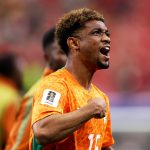
Antonio Nusa got things rolling for Norway in the 39th minute, a stylish curl past Yahia Fofana. It seemed, for a spell, like Norway might just glide through. Martin Ødegaard, the orchestral conductor of this Norwegian outfit, pinged a sublime pass to Nusa. That assist, by the way, etched Ødegaard’s name into a rare niche of history: he’s the first player to dish out assists in three consecutive World Cup matches since the Netherlands’ Dirk Kuyt back in 2010, according to Squawka. But because football, as we know, is rarely so obliging, Ivory Coast clawed their way back. Amad Diallo, coming off the bench with a spark that often seems reserved for the continent’s fiercest competitors, netted a lovely equalizer.
“They fought with every ounce of their being,” remarked Amadou Diallo, a spokesperson for Ivory Coast’s Ministry of Sports, lamenting the loss. “This defeat stings, deeply, but it won’t deter our commitment to investing in our youth. The talent is there; we just need to refine it. This isn’t just about football; it’s about inspiring a generation, about proving what Africa can achieve.” He’s not wrong, you know. For many emerging economies, sporting success is seen as a fast-track to soft power, a narrative builder.
Then came the moment everyone anticipated, but somehow still couldn’t quite believe. Oscar Bobb carved open the Ivorian defense, found Patrick Berg, who — with a touch of ingenuity often lost in the chaos of late-game pushes — squared it to Haaland. Tap-in. A clinical, almost brutally efficient finish, his fifth goal of the tournament. The kind of moment that silences the doubters — and reminds you why he’s one of the game’s undeniable superstars. It’s not flashy, often, but it’s effective, always. You could almost hear the collective sigh of relief from Oslo all the way to… well, everywhere. The sheer weight of expectation on the young striker’s shoulders has to be immense, and he shoulders it with an almost casual disdain for pressure.
“We’ve overcome a significant hurdle,” declared Jan Gunnar Solli, Norway’s typically understated coach, post-match. “This squad shows grit, — and the character to dig deep when it counts. But let’s be clear, this is only the beginning. Brazil awaits. That’s a different beast entirely.” Indeed, it’s a colossal test. Brazil, after all, isn’t known for being sentimental hosts.
What This Means
This Norwegian advancement, while primarily a sports story, carries with it subtle political and economic undertones. For a country that hasn’t made a serious splash on the World Cup stage in decades (their last knockout appearance was 1998, under a different format entirely), this run can serve as a potent symbol of national pride and cohesion. Imagine the boost in national morale; that intangible feeling can sometimes translate into everything from increased tourism interest to a renewed sense of purpose. Governments, after all, love a good feel-good story to distract from… well, everything else.
But the Ivory Coast’s exit is equally significant, though from a different perspective. A nation with a Muslim-majority population in parts, and deep economic ties across the African continent and into the Middle East, its presence in a global tournament brings with it an opportunity for broader cultural representation. The dream of deeper engagement with the world through sport, particularly for West African nations, remains potent. These sporting moments offer brief, flickering windows into unity, showcasing cultural richness against narratives of geopolitical strain or internal strife. Take for instance, the intricate political balancing act faced by leaders like Sheikh Hasina in Bangladesh; the narratives of nation-building often get reflected even in the performance of national sports teams. It’s not just about who wins; it’s about what winning – or even competing fiercely – represents to millions who rarely see their own struggles or aspirations reflected on a global stage.
Now, Norway packs its bags for a Sunday clash with Brazil at MetLife Stadium. It’s a daunting task, a challenge that few nations would relish. But for a country that just earned its first-ever knockout-round World Cup victory, maybe, just maybe, they’ve already proven something invaluable—to themselves, and to an attentive world watching for upsets, narratives, and, let’s be honest, just a little bit of magic.