


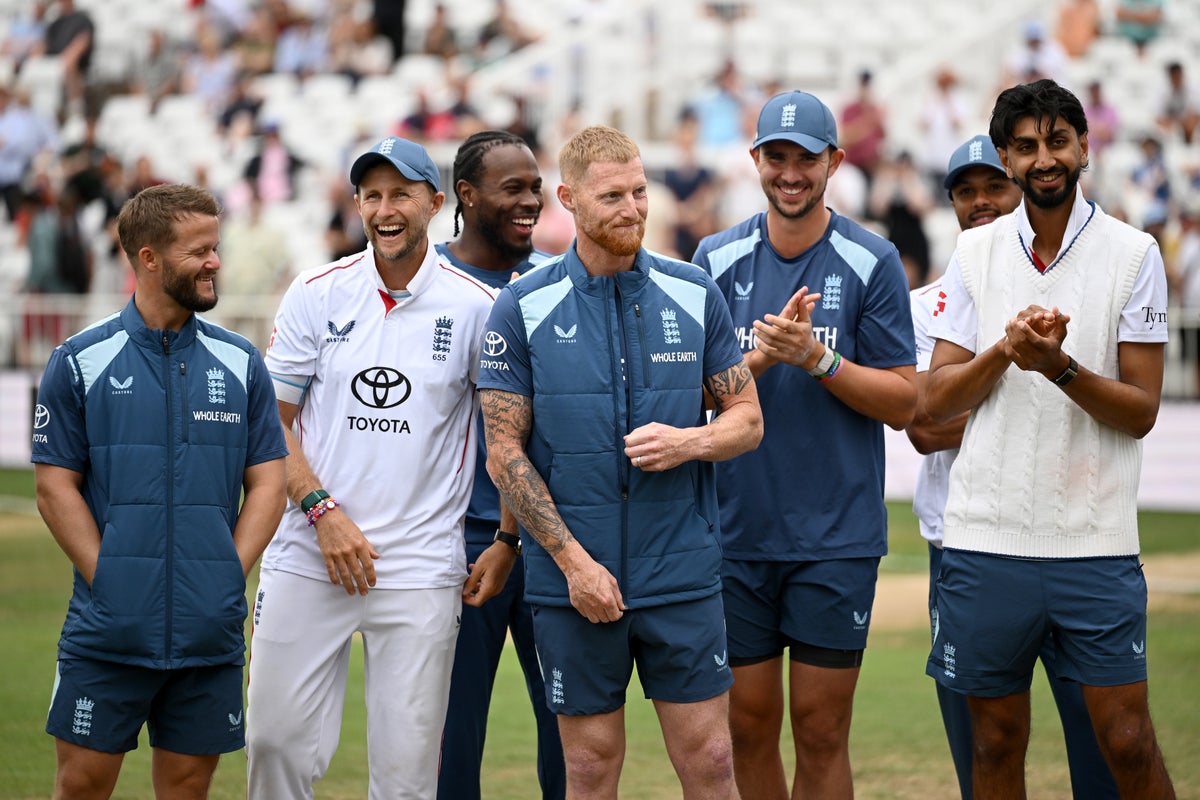
Stokes’ Swan Song: Cricket’s Maestro Exits the Stage, Leaving Behind a Scripted Legacy and a Policy Vacuum
POLICY WIRE — London, UK — For years, the legend of Ben Stokes felt like a meticulously crafted blockbuster. Every twist, every turn, every impossible win seemed to unfold with a...

POLICY WIRE — London, UK — For years, the legend of Ben Stokes felt like a meticulously crafted blockbuster. Every twist, every turn, every impossible win seemed to unfold with a writer’s uncanny precision. His recent exit from one-day international cricket, therefore, couldn’t possibly be a quiet affair. But the staged melodrama that accompanied it at Durham—a calculated ballet of announced departure and immediate on-field heroics—has left more than just fans scratching their heads. It’s pulled back the curtain on the peculiar business of hero-making in modern sports, raising questions about player welfare, commercial demands, and national narratives that reverberate far beyond the boundary rope.
Because frankly, it didn’t just happen. It was orchestrated. The whispers started early, coalescing into officialdom precisely when New Zealand was five, six, perhaps seven wickets down in their innings, setting the stage. A tragic hero announces his demise, then strides out for one last, glorious hurrah. It’s classic stuff. One veteran BBC commentator, Steve Finn, was overheard post-game, almost breathless: “That’s the most Ben Stokes thing you’ll ever see!” He wasn’t wrong, of course. We all saw it—the forced edge, the celebratory jog, the kind of audacious theatrics that make grown pundits clap like seals. Then came the batting, an exhibition of audacious swings and reverse-sweeps that felt more like a send-off party than a serious contest. Forty off just thirty-six balls. Why not?
But the performance – compelling as it was – felt less like genuine sporting theatre and more like a carefully controlled media event. And for some, it was hard to stomach. WhatsApp messages, leaking from broadcasting boxes filled with off-air Sky Sports analysts, reportedly minced no words. “This is disgraceful,” read one. “This is a joke,” bemoaned another. The entire affair seemed a brazen dance on the edge of farce, a cricketer’s “final fight” wrapped in a promotional bow. He saw the iceberg, it seems, — and merrily sailed right into it, daring the world not to look. We looked. And we loved it, for the most part. Spectacle always trumps reality, doesn’t it?
England’s leadership has remained publicly steadfast. Mr. Richard Gould, Chief Executive of the England & Wales Cricket Board, acknowledged the void, telling Policy Wire, “Ben’s impact extends beyond statistics; he galvanized a nation. Losing a player of his calibre from any format always presents a challenge, but his legacy inspires the next generation.” That’s a diplomatic spin if I’ve ever heard one. But this isn’t just about an individual leaving the pitch. It’s about how national teams manage their high-value assets — and the cultural weight they carry. Mrs. Lucy Frazer, the Secretary of State for Culture, Media and Sport, often keen on Britain’s sporting narrative, echoed this sentiment in an earlier, unrelated statement to press on sporting role models: “These are the individuals who aren’t just athletes; they’re cultural ambassadors, shaping our global image and encouraging participation from the grassroots up.”
And shape it he did. Not just in England, but globally. Stokes’ brand of aggressive, comeback-kid cricket resonated profoundly in markets where the sport isn’t just a pastime but a way of life. In Pakistan, for instance, his match-winning heroics — and never-say-die attitude made him a figure of fascination. Fans often compared his daring spirit to legends from their own storied cricket history, proving that raw, human drama – whether scripted or spontaneous – transcends cultural barriers. It’s the narrative, the “will he, won’t he” factor that sells. And nobody delivered that narrative quite like Stokes.
But what now? With Stokes throwing his full support behind the audacious Harry Brook for captaincy, one can’t help but note the irony. Brook, a man with his own colorful off-field reputation, is meant to steady a ship that’s endured – depending on how you slice it – either glorious unpredictability or systemic instability for years. And then there’s the harsh arithmetic. England has won just two of its last ten international fixtures in one particular format — a stark reality not easily papered over by individual flair or planned farewells. These are uncomfortable numbers. It seems even after an emotionally charged send-off that raked in record viewership – with one broadcaster noting a 27% spike during his final batting stint, as per industry analyst reports – the practical challenges of rebuilding a competitive side remain stubbornly present. That sort of fleeting entertainment may bolster short-term engagement, but it can’t substitute for strategic planning.
What This Means
Stokes’ retirement spectacle underscores a significant shift in professional sport, moving ever closer to pure entertainment — where commercial imperatives and individual branding often overshadow traditional sporting ideals. The ‘main character syndrome’ isn’t just a quirk of personality; it’s an economic engine. Governing bodies, acutely aware of sagging attention spans and crowded media landscapes, often facilitate these narratives, blurring the lines between sport and reality TV. This commercialization, while bringing financial dividends, also strains athletes, demanding consistent, high-octane performance both on and off the field. It points to a precarious future for player welfare and highlights the ethical tightrope organizations walk when leveraging personal narratives for profit.
From a policy standpoint, this incident raises questions about the long-term sustainability of athlete careers. The demands on top players — managing multiple formats, rigorous touring schedules, and intense media scrutiny — contribute significantly to burnout, as evidenced by Stokes’s own candid admission of lacking “any fight left in me”. Regulators and sporting bodies face growing pressure to implement policies that genuinely protect athletes’ physical and mental health, rather than just exploiting their marketability. Because without these ‘showmen’ — these figures who can draw global audiences for events like the World Cup fueled by billions in wagers — the whole financial house of cards could simply fall down. The stakes aren’t just wickets and runs; they’re national pride, economic influence, and the future of an increasingly commercialized game.