

Controversial ‘Torture Memos’ Architect Joins DOJ Trump Probe
POLICY WIRE — A figure synonymous with some of the most contentious legal doctrines of the post-9/11 era, conservative law professor John Yoo, has announced his...

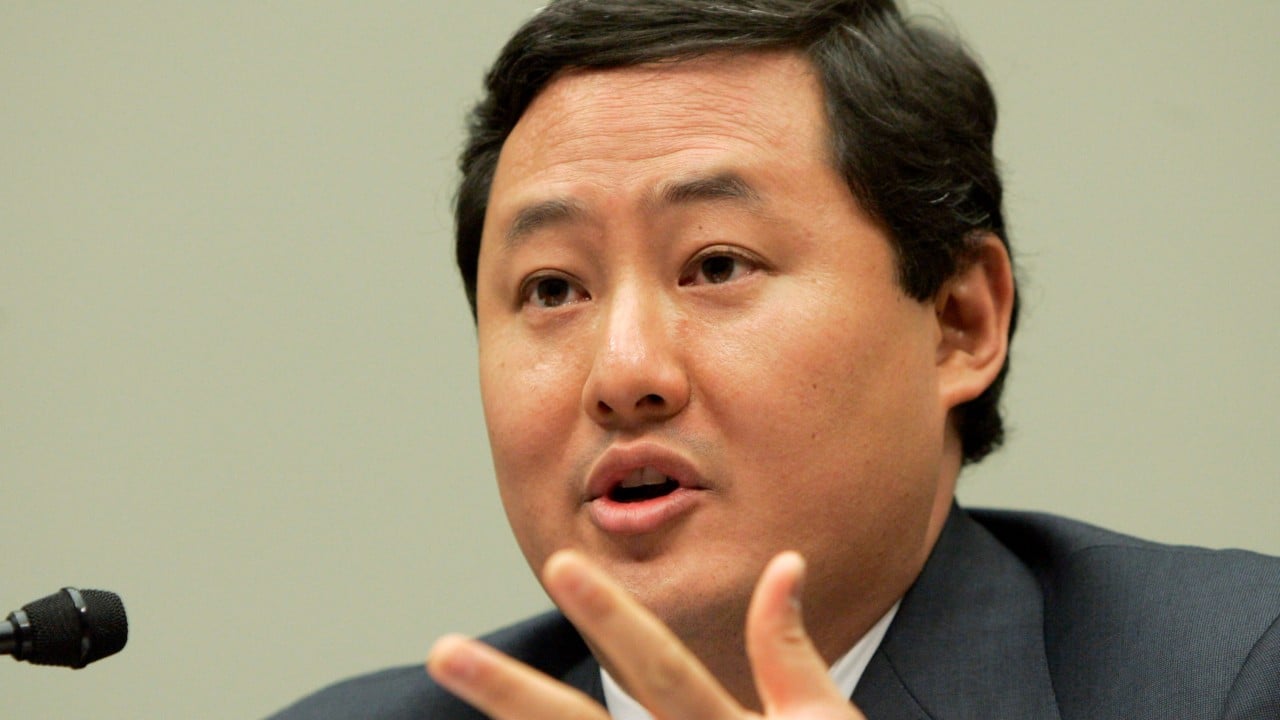
POLICY WIRE — A figure synonymous with some of the most contentious legal doctrines of the post-9/11 era, conservative law professor John Yoo, has announced his involvement in a high-stakes Department of Justice (DOJ) investigation. Yoo confirmed Monday, in an email to Associated Press, that he will lend his expertise to a team of prosecutors examining whether former police and intelligence officials orchestrated a conspiracy against then-President Donald Trump.
This development inserts a particularly charged presence into an already sensitive inquiry. John Yoo, a professor at the University of California, Berkeley School of Law, rose to national prominence – and notoriety – for his expansive interpretations of presidential power, most notably during his tenure in the George W. Bush administration’s Office of Legal Counsel.
Those views underpinned a series of memos drafted shortly after the September 11, 2001, terrorist attacks, which controversially justified what many critics and human rights organizations termed harsh interrogation techniques. These documents, colloquially known as the torture memos, granted legal clearance for practices that skirted, or arguably crossed, the line into torture, sparking a global outcry and reshaping the debate around executive authority in wartime.
His confirmed participation now places a legal mind accustomed to navigating the thorny intersection of national security and executive authority at the heart of an investigation alleging undue political machinations by components of the U.S. security apparatus. Yoo will be advising a team led by Joe diGenova, a former Justice Department prosecutor known for his own outspoken views on the intelligence community and political matters.
The probe itself seeks to determine if past actions by law enforcement and intelligence officials constituted a concerted effort to undermine the Trump presidency. Such an investigation touches on deep fissures within Washington D.C., and particularly within federal agencies, concerning the scope of their power and their relationship with the executive branch. Yoo’s involvement adds another layer of complexity, given his well-documented arguments for a robust, near-unilateral presidential prerogative.
His academic and governmental career has consistently focused on bolstering executive power, advocating for a strong presidency able to act decisively, particularly in times of perceived crisis. Critics argue that his legal theories provided the framework for actions that violated both domestic and international law. Supporters, however, see him as a constitutionalist providing necessary legal grounding for national security operations.
This particular investigation, which could unearth highly politicized details about the conduct of government officials during a past administration, naturally aligns with an individual whose intellectual pursuits have frequently challenged established boundaries of governmental action and oversight. The alleged conspiracy, as framed, directly questions the integrity and political neutrality of certain institutional actors.
For a prosecutor’s team delving into such allegations, especially those that involve agencies accustomed to operating with a degree of secrecy, the counsel of someone like Yoo could be perceived in various ways. It might signal a lean towards a specific legal philosophy concerning the limits of governmental resistance to presidential directives, or it could be seen as an attempt to leverage his expertise on complex questions of federal power and intelligence operations.
What This Means
John Yoo’s involvement signals a definitive trajectory for the DOJ probe into alleged conspiracy against former President Trump. His foundational legal arguments, particularly those advocating for expansive presidential authority and a more permissive interpretation of what constitutes legal conduct in national security matters, will inevitably shape the investigative lens. For proponents of the inquiry, his presence might be welcomed as a reinforcement of the need for an uninhibited examination into government overreach against an executive.
Conversely, critics will likely view his role with immediate skepticism, anticipating that the probe’s findings could be colored by his controversial legal philosophy, potentially legitimizing aggressive approaches to uncovering alleged misconduct while possibly downplaying concerns about civil liberties or institutional norms. His history with the ‘torture memos’ makes his involvement inherently polarizing. The core question becomes: will Yoo’s influence serve to rigorously examine complex claims of wrongdoing, or will it instead provide intellectual cover for a predetermined outcome? This appointment undoubtedly elevates the political temperature surrounding an investigation already under intense scrutiny, reinforcing the perception of a clash between strong executive power and the independent functioning of government institutions.