


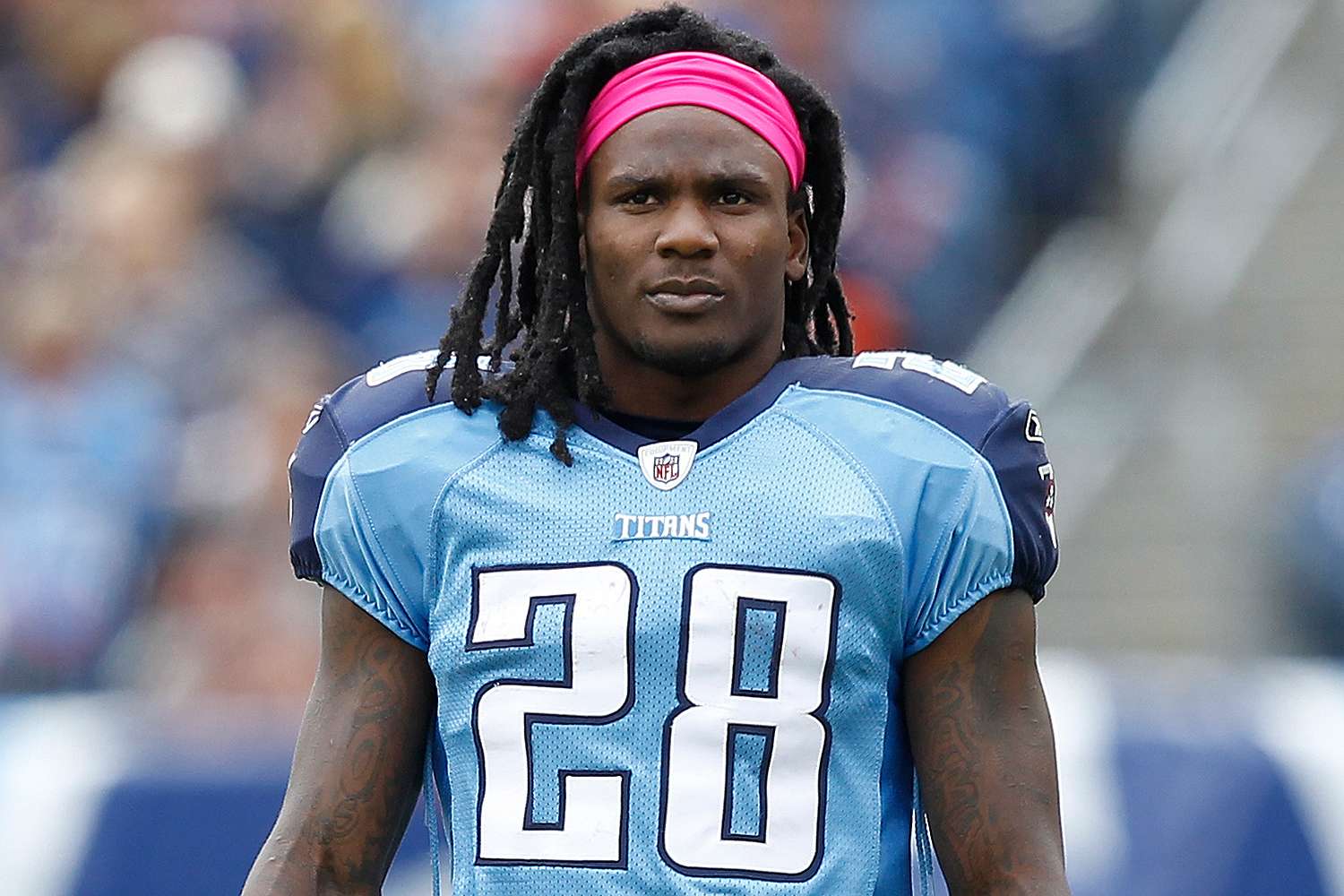
The Silent Game: From Gridiron Glory, An NFL Star’s New Battle Confronts Public Policy
POLICY WIRE — Nashville, United States — The ghost of athletic prowess haunts the modern sporting landscape. One moment, a man defines raw, blistering speed; the next, he’s contending with a...

POLICY WIRE — Nashville, United States — The ghost of athletic prowess haunts the modern sporting landscape. One moment, a man defines raw, blistering speed; the next, he’s contending with a challenge that makes a sixty-yard touchdown dash seem like child’s play. This stark reality now frames the life of Chris Johnson, the former Tennessee Titans running back, a man who once broke tackles and statistical records with equal parts ferocity and grace. But his most formidable opponent wears no jersey, makes no sound—it’s amyotrophic lateral sclerosis, commonly known as ALS.
It’s a cruel irony, isn’t it? An athlete who spent years meticulously crafting his physical machine, pushing its boundaries to seemingly impossible limits, now finds his body becoming a stranger. Johnson, whose on-field exploits earned him the moniker ‘CJ2K,’ disclosed his diagnosis recently, marking a deeply personal fight that inadvertently thrusts the wider discussion of athlete health—both during and after their professional careers—into an uncomfortable spotlight. It’s not just a sports story; it’s a policy reckoning in disguise.
The league, through the Titans organization, has been quick with statements of support. Amy Adams Strunk, the Titans owner, expressed a profound sentiment many shared, telling the public, “Some people leave a mark on an organization that you just can’t put into words. Chris Johnson is one of those people for us.” She continued, highlighting his past contributions, saying, “His leadership on the field, in addition to his impact in the locker room and Nashville community have written him permanently into the story of this franchise.” For an owner, it’s a human response—a necessary one, even. But behind the emotional comfort lies the simmering question of systemic support for former players grappling with such debilitating conditions.
Johnson himself, in a poignant revelation on television, offered a perspective far removed from the high-octane spectacle of Sundays. He spoke of the disease’s rapid advance since its onset last year, now communicating via an eye-controlled device. And his message? Pure defiance. “I want people to know that I’m still me. ALS has changed what my body can do, but it hasn’t changed who I am,” he relayed, his spirit evidently intact even as his motor functions are tragically compromised. This is a fight for identity, not just against illness. It’s gritty, to be sure.
Medical researchers categorize roughly 90% of ALS cases as sporadic, meaning they appear with no known family history—a cold, hard fact Johnson now lives with. Because of this random, brutal nature, every case, especially high-profile ones, sparks a flicker of hope for greater research funding. That’s a global thing, it’s. From the pristine facilities in the U.S. to the struggling public health systems in Pakistan and across the developing world, chronic neurodegenerative diseases lay waste to millions of lives, often in the absence of media fanfare or significant investment. Johnson’s ordeal, for all its tragedy, might just nudge the needle, even incrementally.
But what does the NFL—a multi-billion dollar enterprise—say about the long-term well-being of its former gladiators? When asked about the league’s evolving strategy for retired player health, an anonymous senior NFL official, privy to internal discussions on player wellness policies, told Policy Wire, “We’re constantly re-evaluating our support mechanisms. This isn’t just about concussions anymore; it’s about the full spectrum of player health, and we’re working closely with the Players Association to ensure our former athletes, like Chris, get the best possible resources. It’s a collective responsibility.” It’s a careful answer, yes, acknowledging complexity without committing to grand new gestures, yet. The wheels of policy turn slowly, don’t they?
And while the focus here is American football, the human toll of debilitating illness knows no borders. Just consider the sheer number of unheralded individuals in Lahore, Cairo, or Dhaka, grappling with conditions as unforgiving as ALS, often without access to cutting-edge diagnostics or even basic supportive care. Johnson’s story, for all its domestic prominence, serves as a harsh reminder of global health disparities—and perhaps, just perhaps, it subtly amplifies the need for a worldwide, coordinated effort in rare disease research. One wonders how much focus we put on conditions that don’t affect our own highly visible stars.
What This Means
Chris Johnson’s fight isn’t just his own; it’s become a fresh, if tragic, catalyst for reassessing the long-term obligations of professional sports leagues toward their athletes. Economically, this puts pressure on the NFL’s pension and healthcare programs, potentially pushing for greater financial commitments to long-term care and research. It also shines a harsh light on the need for increased public and private funding for rare neurological diseases like ALS, which, despite affecting an estimated 5,000 Americans annually, still lacks a cure. Politically, player unions, often engaged in protracted negotiations over benefits, now have another, deeply personal case to bolster their arguments for expanded medical and welfare provisions. It reinforces the idea that athlete health extends far beyond their playing days, and the policy landscape needs to catch up to this stark reality. Ultimately, it’s a human issue—one where personal courage meets institutional responsibility, or at least, should.
There’s a dignity to Johnson’s public stance, a refusal to surrender the man he’s, even as his body betrays him. His journey will undeniably reshape perceptions of strength, resilience, and what it truly means to compete long after the stadium lights dim. It forces us all to think about what we owe to those who have given so much, in every arena of life. But his battle also quietly questions how our societies, and their policies, respond when the extraordinary becomes acutely, terribly ordinary.