
Pakistan Conducts Border Strikes, Escalating Tensions with Afghanistan Amidst Civilian Casualty Claims
POLICY WIRE — In a significant escalation of already fraught cross-border tensions, Pakistani forces carried out overnight ground operations and aerial strikes ...

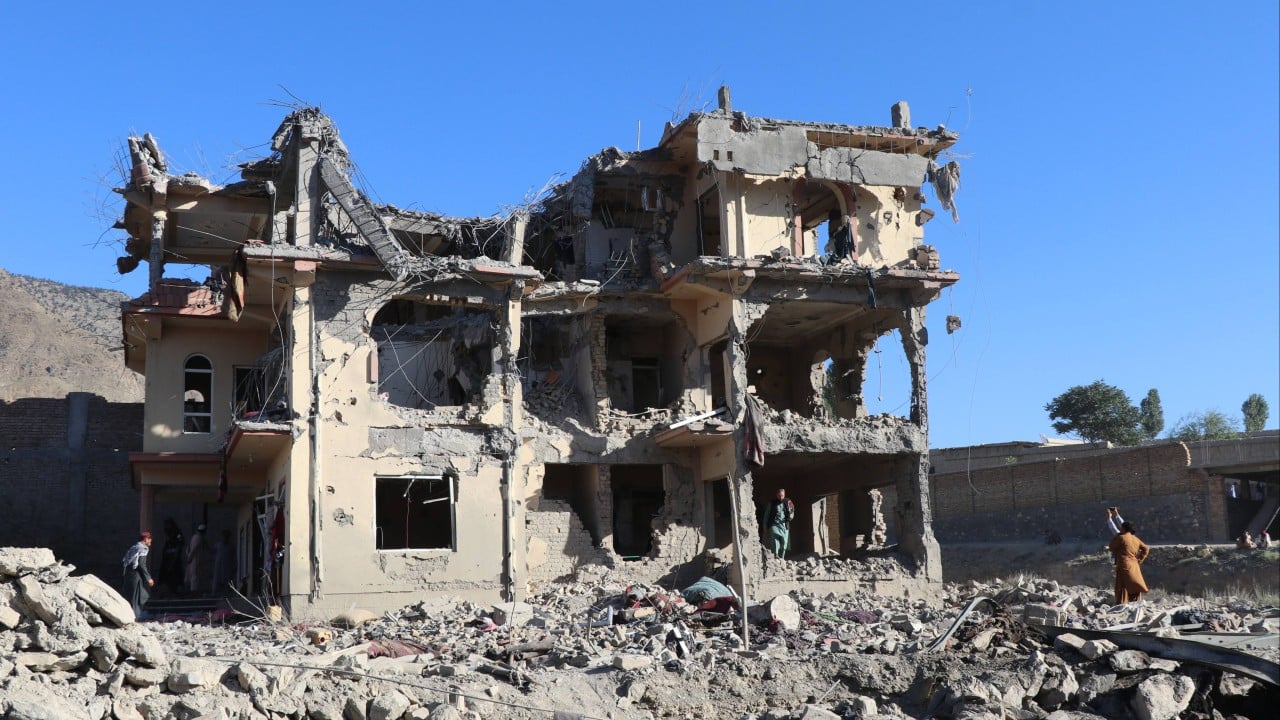
POLICY WIRE — In a significant escalation of already fraught cross-border tensions, Pakistani forces carried out overnight ground operations and aerial strikes along the Afghanistan frontier. Afghan officials on Monday reported a grim toll, claiming at least 36 civilians were killed and more than 160 others injured in the assaults.
Conversely, Pakistan’s Information authorities stated that the operations, which targeted what they described as militant hideouts and safe havens, resulted in the deaths of 29 fighters. This stark divergence in casualty figures, coupled with the differing narratives, immediately intensified diplomatic strains between the neighboring nations, according to wire reports.
The Pakistani security forces’ ground operation commenced late on Sunday, moving into Monday morning, followed by the aforementioned strikes. The immediate aftermath saw Afghan officials issue a stern warning, with one asserting that these attacks would be met with retaliation. This direct threat underscores the perilous state of affairs at a volatile border, historically a flashpoint for disputes.
The Pakistan-Afghanistan border, often referred to by the British-demarcated Durand Line – a demarcation never fully accepted by successive Afghan governments (general knowledge) – is notorious for its porous nature and the complex interplay of militant groups operating across it. Islamabad has long accused Kabul of harboring militants, particularly factions of the Tehrik-i-Taliban Pakistan (TTP), who allegedly launch attacks into Pakistan before retreating across the frontier. These allegations have been a consistent source of friction, forming a recurring theme in the challenging diplomatic discourse between the two countries (general knowledge).
While precise locations of the recent operations remain subject to official confirmation beyond the general ‘Pakistan-Afghanistan border’ specified by the wire, such incidents typically occur in the rugged, tribal areas where state control can be tenuous on both sides. The use of ground operations in conjunction with air strikes suggests a coordinated and targeted effort by Pakistani forces, ostensibly aimed at disrupting militant networks deemed a direct threat to national security.
Previous periods of elevated tension have seen similar accusations and retaliatory actions, albeit often without such high reported civilian casualties. The claim of 36 civilian deaths from Afghan officials, if independently verified, represents a substantial loss of life and would likely ignite widespread condemnation and calls for de-escalation from international bodies and humanitarian organizations. The substantial number of injured also highlights the destructive power of modern military operations in densely populated areas.
The recent events unfold against a backdrop of regional instability, with Afghanistan under Taliban rule since August 2021. Pakistan’s relationship with the Taliban regime has been complex; initially seen as a potential ally in combating various militant groups, the relationship has grown increasingly strained over issues of border security and the alleged presence of anti-Pakistan militants on Afghan soil. This makes any military action even more diplomatically sensitive, requiring careful navigation to prevent a broader regional destabilization (general knowledge).
What This Means
The latest border confrontation signifies a dangerous pivot in Pakistan-Afghanistan relations. The explicit threat of retaliation from an Afghan official suggests a low tolerance for such operations, signaling a potential for reciprocal military action rather than purely diplomatic condemnation. For Islamabad, the continued pressure on alleged militant sanctuaries reflects a strategic imperative to secure its western frontier, a policy stance unlikely to waver given domestic security concerns.
The international community will undoubtedly watch these developments closely. The humanitarian implications of high civilian casualties are considerable, potentially drawing greater scrutiny and aid efforts to the affected regions. the lack of a shared definition of ‘militant’ and ‘civilian’ between the two nations complicates any path toward reconciliation or shared border management. Absent a significant diplomatic breakthrough, this latest flare-up threatens to entrench animosity and further destabilize an already fragile region, perpetuating a cycle of cross-border accusations and military responses rather than fostering the cooperation necessary for long-term security.