


New Mexico’s Road to Riches: Drivers Foot the Bill for Pothole Peace
POLICY WIRE — ALBUQUERQUE, N.M. — Sometimes, even the land of enchantment finds its magic strained by mundane asphalt. The very arteries that transport New Mexico’s lifeblood—its commerce, its...

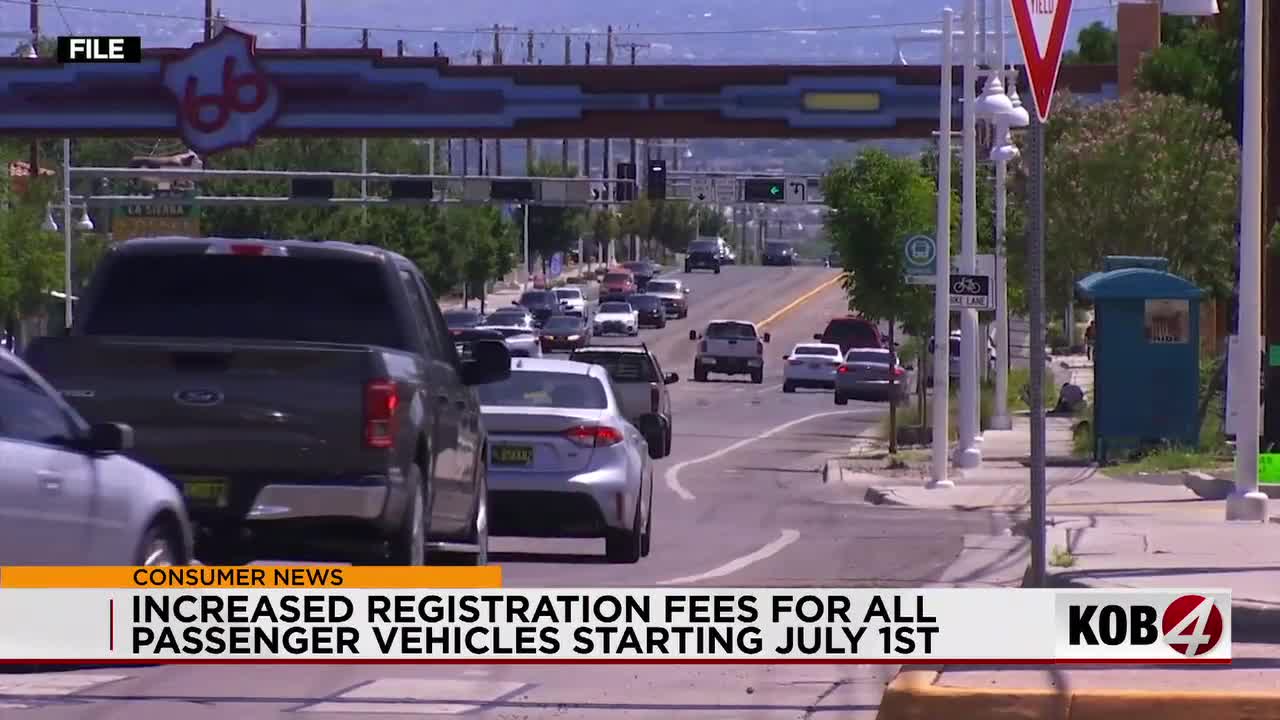
POLICY WIRE — ALBUQUERQUE, N.M. — Sometimes, even the land of enchantment finds its magic strained by mundane asphalt. The very arteries that transport New Mexico’s lifeblood—its commerce, its commuters, its tourist dollars—are quietly deteriorating, demanding a fiscal reckoning that few drivers relish. Beginning July 1, those everyday citizens behind the wheel of passenger cars will discover their annual tribute to the state’s coffers just jumped a full 25 percent.
It isn’t exactly breaking news, mind you. The state legislature passed Senate Bill 2, a piece of legislation few celebrated but most recognized as inevitable. This isn’t just about patching potholes; it’s a massive capital injection, aimed at funneling upwards of $1 billion into the state’s long-neglected transportation infrastructure. We’re talking bridges, roadways, the whole nine yards.
“Look, nobody genuinely enjoys reaching deeper into their pockets, but our state’s economy won’t grow on crumbling asphalt,” remarked State Senator Evelyn Quintana (D-Santa Fe), a key proponent of the bill, in a Policy Wire interview. “We’ve procrastinated on this for too long. This investment isn’t just about convenience; it’s about safety, about keeping our businesses competitive, and frankly, about not having your entire vehicle suspension system obliterated by a New Mexico-sized pothole.” Her tone, however, held an undertone of knowing how unpopular these measures generally are.
The fee increase targets passenger vehicles squarely, with electric and hybrid cars getting their own bump come January 1. Commercial vehicles, those massive rigs that inflict the most wear and tear on our roads, aren’t immune either; they’ll see their tax burden increase based on weight and miles logged within state lines. It’s a comprehensive squeeze, really, designed to spread the pain (or the investment, depending on your political leaning) across nearly all road users.
But the resistance, predictable as summer heat, hasn’t withered. State Representative Marcus Thorne (R-Roswell) expressed palpable skepticism. “Raising taxes—because let’s call a fee increase what it’s—by a quarter, particularly when folks are already feeling the pinch of inflation? That’s a bitter pill to swallow,” Thorne told Policy Wire. “We absolutely need robust infrastructure, but we owe it to the taxpayers to ensure every single dollar generated by this hike actually makes it to the road, not some bloated bureaucracy or a project with questionable returns. Accountability, you know? It’s not a suggestion; it’s an obligation.”
What This Means
This substantial hike isn’t just about collecting revenue; it’s a symptom of a broader issue that often plagues states—and indeed, many developing nations—which is the constant, grinding struggle to fund foundational public services. For New Mexico, long reliant on the mercurial swings of the oil and gas industry for state revenue (a phenomenon explored more deeply in our analysis of Oil’s Golden Handcuffs), a more stable, dedicated stream for infrastructure has become increasingly pressing.
Politically, Governor Michelle Lujan Grisham’s administration will likely tout these funds as a much-needed shot in the arm for economic development and job creation, framing it as an investment, not a tax. Opponents, meanwhile, will continue to brand it as a burden on working families and small businesses, especially those in rural areas where vehicle reliability isn’t a luxury but a necessity for survival. Because for a state like New Mexico, where public transportation options outside major metropolitan areas are, shall we say, aspirational, personal vehicle ownership is hardly discretionary.
Economically, the impact will trickle down. Families earning an average annual income in New Mexico, which stood at roughly $54,000 in 2022, will now contend with a slightly larger annual registration bill. It’s a small sum individually, perhaps, but collectively, these increments stack up. The state’s ability to genuinely address its decaying roads, however, offers a longer-term economic benefit: smoother travel times, lower vehicle maintenance costs for drivers in the long run, and an easier path for commercial freight. And yet, one can’t ignore that some, often the least affluent, will feel this more keenly than others. Think of the taxi drivers in Lahore or the auto-rickshaw operators in Karachi—they understand all too well how minor administrative fees, compounded over a fleet, can bite into an already razor-thin margin.
Globally, securing consistent funding for large-scale infrastructure remains an enduring challenge. From the complex debt financing models in parts of South Asia seeking to upgrade their aging railway networks, to the constant search for equitable user fees in burgeoning African economies attempting to pave new urban arteries, the core dilemma is universal: who pays, how much, and is it fair? Pakistan, for instance, frequently grapples with similar fiscal balancing acts, attempting to modernize its road network and improve trade routes while contending with public opposition to tax increases and the perennial question of administrative transparency.
The state legislature’s decision signals a willingness, perhaps a reluctant one, to move beyond stopgap measures. But it doesn’t resolve the deeper structural issues in funding large public works, or the perennial political tightrope walk between citizen cost and public benefit. As drivers renew their registrations, the enhanced fees might feel like a new tax, but the state sees it as an overdue repair bill for an aging fleet of public works. And with more than $1 billion earmarked, we’ll certainly be watching how effectively those funds transform aspiration into improved asphalt.