


Parched Futures: India’s Monsoon Gamble Threatens Billions Amidst Shifting Climates
POLICY WIRE — New Delhi, India — Forget for a moment the glistening skyscrapers of Bandra-Kurla Complex or the bustling film sets of Bollywood. Picture instead a vast expanse of cracked earth, once...

POLICY WIRE — New Delhi, India — Forget for a moment the glistening skyscrapers of Bandra-Kurla Complex or the bustling film sets of Bollywood. Picture instead a vast expanse of cracked earth, once slated for new homes, now stalled, or a field of thirsty seedlings, staring down an unforgiving sun. That, in essence, is the grittier reality percolating across India right now, not just a weather anomaly, but a stark, dry punch to the nation’s economic gut.
It’s not merely that the skies haven’t opened up on cue; it’s the systematic disarray that this delay triggers. From the rice paddies of Punjab to the construction cranes frozen mid-air in financial hubs, the dominoes are already falling. We’re talking about livelihoods — countless ones, you know — tethered precariously to the timely arrival of moisture. And guess what? It isn’t showing. [QUOTE_PLACEHOLDER]
The situation isn’t some abstract statistical blip. For those trying to build anything in India’s largest business hub, Mumbai, the effects are concrete: we’re seeing water restrictions for construction sites in its largest business hub, Mumbai. Think about the laborers, day wage earners, who rely on continuous work; they don’t get paid when the spigots run dry. It’s an immediate, personal recession for millions. And for the nation’s agrarian backbone, which, let’s be honest, still supports the lion’s share of the population? There are significant planting delays for farmers, which, as any schoolkid knows, usually means less yield, higher food prices, and a whole lot of desperation down the line.
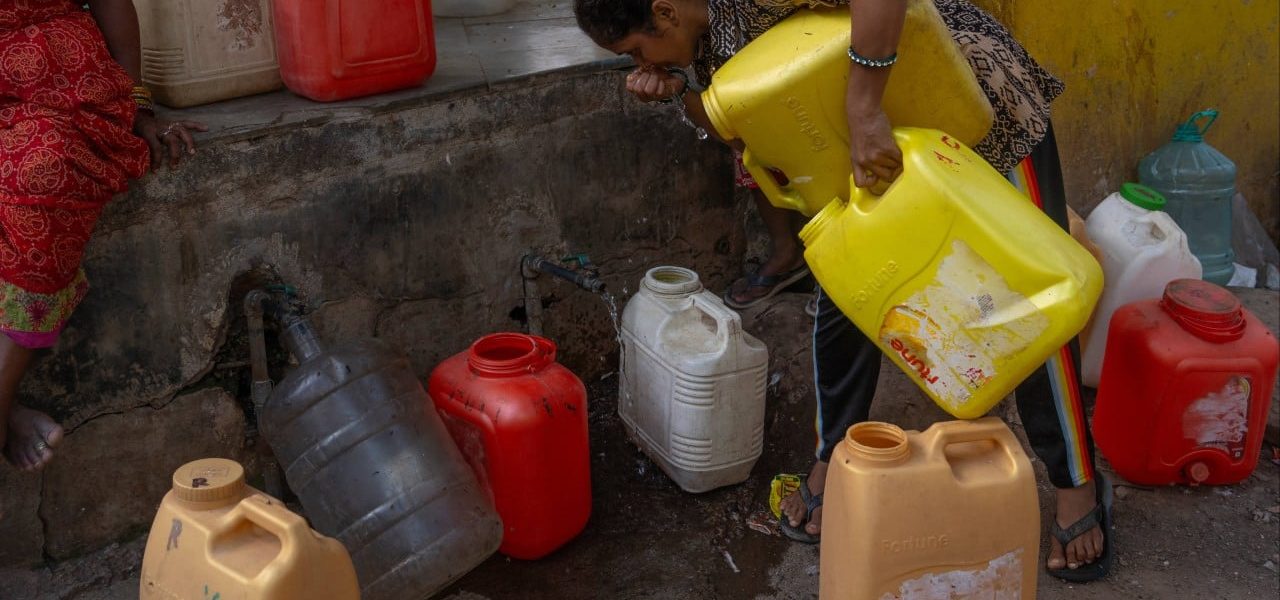
Water shortages have been reported around the country. This isn’t just about delayed cultivation cycles; it’s about the broader national supply chain buckling under pressure. Because when basic commodities like grain become scarce, every grocery store, every household budget, feels the squeeze. This perennial gamble with the monsoon—which, to be fair, typically begins in June—has morphed into something far more erratic in recent years. It’s a recurring nightmare, only this time the monster feels bigger, angrier.
Climate scientists are pointing fingers, as they often do, at the usual suspects. El Nino, that troublesome Pacific warming that’s been messing with global weather patterns for centuries, is back on the marquee. But it isn’t operating in a vacuum, is it? It’s layering itself over an already simmering stew of environmental shifts, intensifying what was once just a bad season into a potential catastrophe. We’ve moved beyond mere inconvenience; this is an economic wrench in the works of a rapidly developing nation, threatening to derail projected growth rates like a rogue tractor on a dirt road.
This particular dry spell hits home, especially in a region that’s already a powder keg of historical tensions and shared resources. Consider Pakistan, India’s perpetually sparring neighbor to the west. While India’s internal agricultural issues command headlines, the larger water equation for the subcontinent is always in play. The Indus Waters Treaty, a fragile yet enduring agreement governing river sharing, relies on the steady flow that bountiful monsoons deliver to the northern rivers that eventually feed Pakistan’s vast agricultural plains. Should India’s upstream water woes become acute and prolonged, you can bet your bottom dollar—or rather, your rupee or rupee equivalent—that the political pressure on that treaty will become immense. Pakistan relies on those rivers for about 90% of its irrigation, according to the World Bank. That’s not a typo. It’s a staggering dependency that a parched India could inadvertently jeopardize, potentially escalating an already testy diplomatic relationship over, you guessed it, water.
📄 POLICY WIRE WHITEPAPER PUBLISHED: PAKISTAN'S NATIONAL SECURITY POLICY PRIORITIES
👉 READ BY CLICKING HEREIt’s not just geopolitical machinations, either. Within India itself, this translates into stark class divisions. The wealthy can always dig deeper borewells or buy bottled water, but the masses, those millions on the urban fringe and in the rural interior, they’re the ones who bear the brunt. It’s a social inequity starkly etched onto drying riverbeds — and empty reservoirs. They’re left watching skies that simply refuse to deliver, contemplating an uncertain future where survival becomes a daily, gritted-teeth struggle. And really, can you blame them for feeling abandoned by the very forces of nature they’ve revered for millennia?
What This Means
The prolonged absence of robust monsoon rains isn’t just a farming issue; it’s a national security challenge wrapped in a climate crisis. Politically, the ruling government faces increasing scrutiny — and public discontent. Failed monsoons correlate directly with rural distress, which, as history shows, often translates into electoral upsets. If basic food prices skyrocket and agricultural employment falters, that political stability, which any ambitious nation craves, becomes incredibly fragile. The economic implications are equally chilling; agriculture contributes a significant, albeit decreasing, portion of India’s GDP, but it also employs roughly half of the country’s workforce. A major shock here radiates throughout the entire economy, throttling consumer demand and potentially driving inflation. For foreign investors eyeing India’s promising market, this introduces an element of volatility that’s just not welcome. It’s not some abstract global warming talking point; it’s tangible, immediate, and its consequences are as unforgiving as the dry ground beneath. The ability to manage this crisis effectively will determine not only India’s immediate future but its trajectory for the remainder of the decade. We’re looking at a slow-motion cascade, — and its ultimate destination is anyone’s grim guess. The ripple effects will definitely be felt beyond India’s borders, perhaps even challenging a foundational aspect of Pakistan’s balancing strategy in regional power dynamics.