

Shadow of Impunity: Australian Child’s Death Shakes Pakistan’s Police Credibility
POLICY WIRE — Islamabad, Pakistan — Some international headlines hit different. They don’t just report tragedy; they peel back layers, exposing raw nerve endings of governance, accountability, and...

POLICY WIRE — Islamabad, Pakistan — Some international headlines hit different. They don’t just report tragedy; they peel back layers, exposing raw nerve endings of governance, accountability, and the precariousness of life in complex nations. A recent incident in eastern Pakistan—a single bullet, a lost life—it’s doing just that. It’s not just about a mistaken shooting; it’s a stark reminder of systemic vulnerabilities.
It was Wednesday, then Monday. Australian authorities, notably Canberra, have now demanded a full, unfettered investigation. And well they should, you see. Because what happened was beyond tragic. An Australian child was shot and killed. This isn’t some abstract statistical anomaly. It’s an eleven-year-old girl named Fatima, caught in the kind of lethal crossfire no family should ever have to endure, especially one just visiting what should have been their ancestral home.
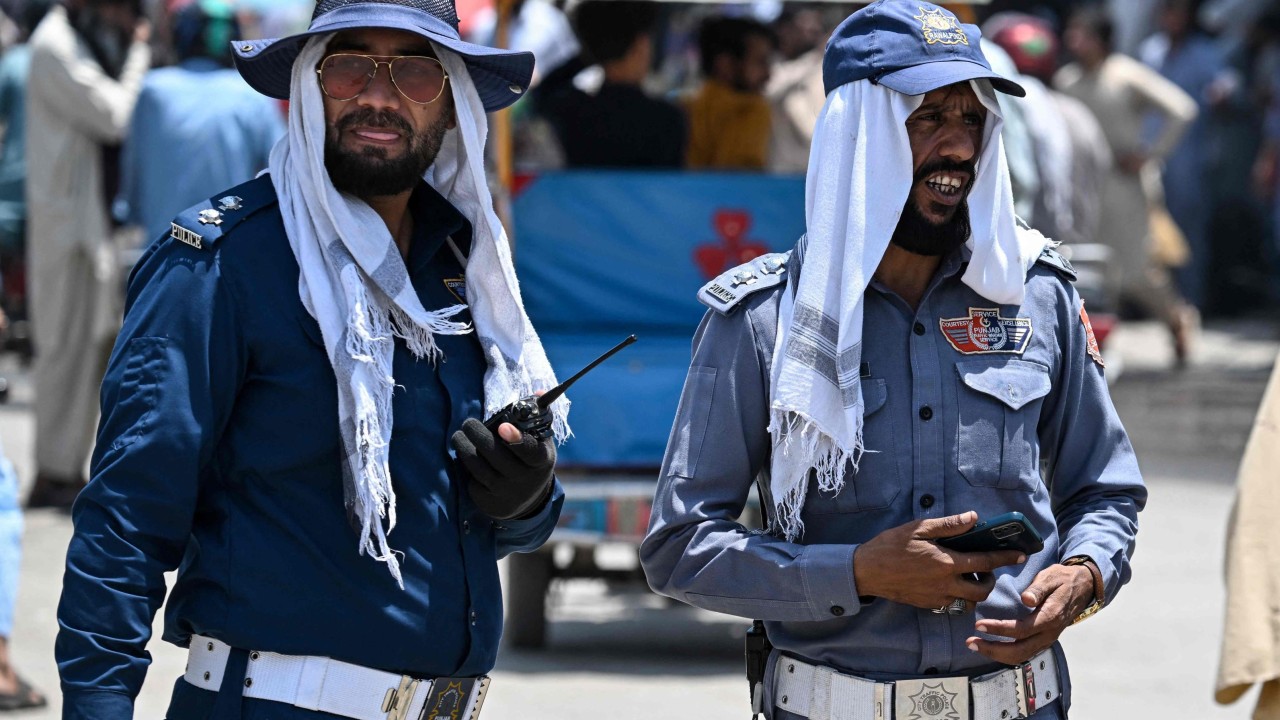
The incident itself? Pure, unadulterated chaos. Punjab, Pakistan’s most populous eastern province, that’s where it all went down. Police say their officers were just doing their job, responding to a robbery. Sounds straightforward enough, doesn’t it? Except it wasn’t. These officers reportedly exchanged fire with suspects. Who were these suspects? They were holding a family’s car passengers at gunpoint. This wasn’t some back alley skirmish; this was direct contact with civilians caught in a terrifying situation.
An Australian child was shot and killed in eastern Pakistan, authorities said, with Canberra calling on Monday for an investigation into the incident that also wounded two of the girl’s family members. That’s the blunt, horrifying fact of it. But behind that sterile news report lies a tangle of questions. Questions about training. Questions about judgment. Questions about the very foundation of public safety.
The official narrative is always carefully constructed, isn’t it? Police in Pakistan’s most populous eastern province, Punjab, said that officers responding to a robbery exchanged fire with the suspects who were holding the passengers of a family’s car at gunpoint on Wednesday. You get the picture. High stakes, split-second decisions. And yet, how many times do these split-second decisions, when made by armed personnel, cost innocent lives?
They say an officer was arrested. That’s progress, one supposes. A small comfort, maybe, for a family now grieving the unspeakable. But one arrest doesn’t fix a broken system. It can’t erase the terror of that moment, nor can it bring back a life. What they also said, through carefully worded statements, was about the judgment involved. “In the ensuing chaos, the officer involved mistakenly assessed that the suspects… [QUOTE_PLACEHOLDER]” And there, right there, is the kernel of the issue: an assessment, however mistaken, with deadly consequences. It begs the larger question of accountability, a question that Pakistan, and indeed many South Asian nations, struggles with constantly.
This incident isn’t an isolated occurrence. Not by a long shot. Public trust in law enforcement across Pakistan is perpetually teetering on the edge. A 2022 survey by Transparency International revealed that only 34% of Pakistanis trust their police force, citing concerns over corruption and excessive force. That’s a gut punch of a statistic, isn’t it? Less than four in ten people feel safe — and secure with the very institutions sworn to protect them. And, it’s against this backdrop that we must view what happened last Wednesday. It amplifies the existing anxieties, fuels the skepticism.
But there’s also the global perception angle to consider. For a nation striving to attract foreign investment, to reassure its diaspora, incidents like this cast a long, ugly shadow. It chips away at the already fragile narrative of stability — and safety. The world, increasingly interconnected, watches these stories unfold. They don’t just see Pakistan; they see South Asia, sometimes even the broader Muslim world, through the lens of such tragic events. And it doesn’t help the overall branding, let’s be honest.
The fact is, a sovereign nation must demonstrate its ability to deliver justice. Not just to its own citizens, but to international citizens too. The Australian girl was part of a larger, global community. Her death demands an investigation that transcends local police politics, that truly drills down to negligence, culpability, and systemic failings. And because failure to do so doesn’t just damage bilateral relations with Australia; it damages the perception of the entire justice system. You know, that whole rule of law thing everyone talks about.
What This Means
The reverberations from this horrific incident are going to be felt for quite a while. For Pakistan, it represents a fresh wound on an already bruised public image. Internally, expect renewed calls for police reform—calls that have been made countless times before, usually with limited follow-through. This time, with an international spotlight blazing, the pressure will be immense. Pakistan’s federal government, already battling a complex economic landscape and internal political squabbles, can ill-afford another crisis of confidence. Investor confidence, particularly from countries like Australia with significant Pakistani diasporas, could waver. Families weighing travel back home will now second-guess their safety. It’s an existential gut check for law enforcement, a moment of profound introspection about what “protect and serve” truly means on the streets of Punjab.
For the broader South Asian region, this event underscores a recurring theme: the struggle to modernize state institutions and instill truly democratic accountability. Many nations here grapple with colonial-era police forces that often operate with a heavy hand, lacking adequate training, equipment, or civilian oversight. The economic impact could be subtle but insidious, a tiny, almost imperceptible dent in the larger narrative of emerging markets. This single incident, unfortunate and deeply saddening, reminds us all that human lives, especially innocent ones, aren’t just statistics—they’re the emotional and political fault lines of a nation. But it’s on these very fault lines that policies often get rewritten, sometimes for the better, often not, depending on who’s watching and how loudly. This time, Australia is watching. Hard. You can bet on it.