

Sacred Soil vs. Steel Barrier: A Borderland Showdown at Mount Cristo Rey
POLICY WIRE — LAS CRUCES, N.M. — It wasn’t just a mountain; it was a testament. A stark, dramatic 29-foot statue of Jesus, arms wide open, has presided over the convergence of New Mexico, Texas, and...

POLICY WIRE — LAS CRUCES, N.M. — It wasn’t just a mountain; it was a testament. A stark, dramatic 29-foot statue of Jesus, arms wide open, has presided over the convergence of New Mexico, Texas, and Mexico for decades, a potent symbol of cross-border faith. But recently, this silent guardian found itself the unwilling focal point of an earthy, raucous legal brawl pitting a centuries-old church against the unyielding will of a federal government keen on shoring up its southern flank.
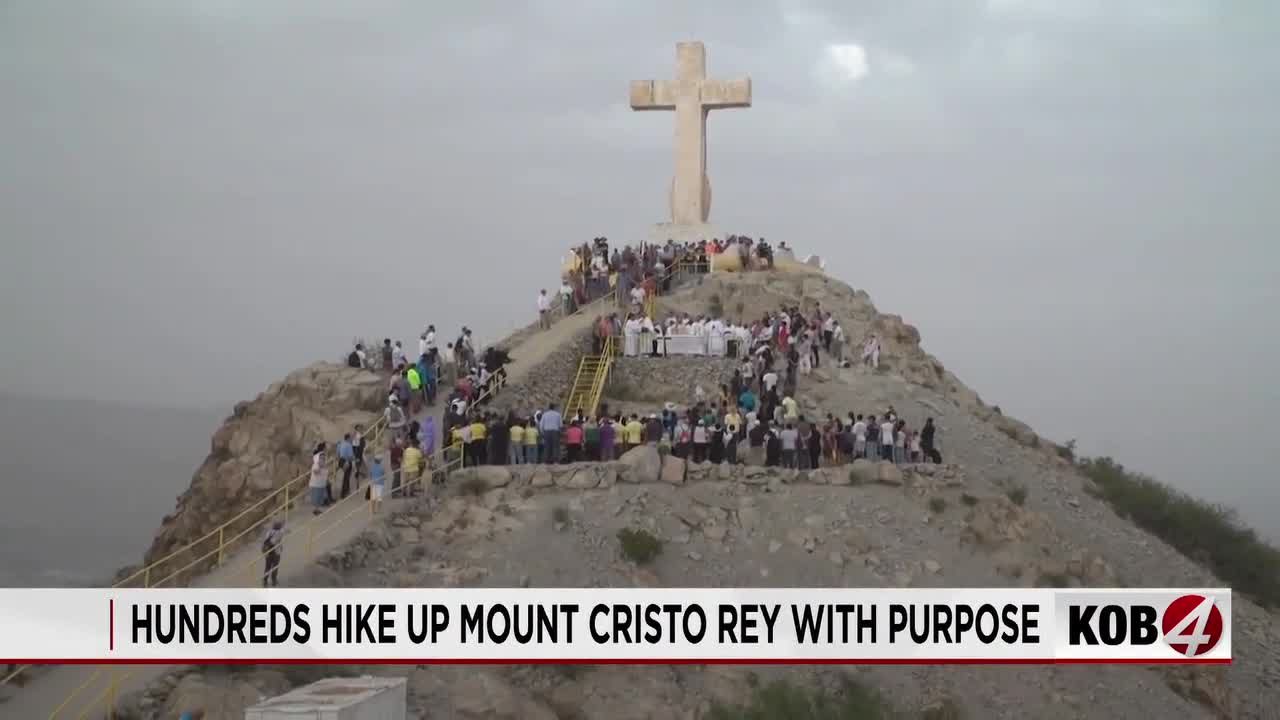
On a blistering Sunday, a procession of devoted Catholics—some bent with age, others pushing strollers—didn’t merely climb Mount Cristo Rey. They ascended, or so it felt, into the very eye of a political storm, their personal sacrifice in 100-degree heat and dusty winds a living protest against the government’s plans for a border wall. It’s a classic narrative of Goliath versus David, played out not with slingshots but with legal briefs — and hymns.
The core of the issue? Washington wants a piece of land at the base of the mountain. And they don’t just want it; they’re trying to take it, flexing the formidable muscle of the Declaration of Taking Act. This little-known statute allows federal agencies to grab land first — and haggle over the price later. For the Diocese of Las Cruces, it felt less like negotiation — and more like annexation. It’s hard to reconcile spiritual symbolism with government bulldozers, isn’t it?
Deacon Jim Winder, chancellor of the Diocese of Las Cruces, didn’t pull any punches, telling Policy Wire, “We feel that the church is under attack, specifically in this place with the desire to build a border wall across our property. The statue itself represents unity, outstretched arms across nations. The wall, well, it’s the exact opposite, a symbol of division. We’re defending our religious freedom, yes, but also a broader message of connectivity.” And you can’t argue with that kind of emotional conviction, can you?
The legal tussle is just getting good. A judge, last week, handed the feds a partial win, declaring they could take the title to the land. But—and it’s a big ‘but’—actual possession remains contested, hanging in the balance until the next hearing. That’s scheduled for late July, a date that will undoubtedly feel like a reckoning for many in the faithful community.
But Washington argues the stakes are far higher than local sentiment. Sarah Jenkins, a spokesperson for the Department of Homeland Security, articulated the administration’s position with practiced gravitas: “We understand the local concerns, of course, but national security considerations along a highly sensitive border sector demand clear and consistent enforcement of federal statutes. We’re talking about protecting the homeland here; that’s non-negotiable.” A hard line, but one we’ve heard before.
The situation echoes similar battles worldwide where sovereign interests collide with entrenched cultural or religious sites. Consider, for instance, the periodic demolitions or encroachments on ancient mosques or pilgrimage routes in parts of Pakistan, often under the guise of urban development or national infrastructure projects. Religious minorities, whether Catholics near the U.S. border or Shiites in Punjab, find themselves facing an almost identical struggle against the often-impersonal logic of the state. It’s a tale as old as borders themselves. And while the specifics might change, the human cost, the sense of displacement, almost never does.
Let’s also not forget the cold, hard cash. Building a wall isn’t cheap. Recent government assessments suggest each mile of new wall construction in similar terrain can chew up upwards of $20 million, a figure from government reporting that scarcely factors in the extended costs of legal entanglements and local community pushback. This isn’t just about faith; it’s about budgets, too. Money always talks, doesn’t it?
What This Means
This showdown at Mount Cristo Rey isn’t just a local dispute over dirt — and dogma. It’s a concentrated metaphor for the broader tug-of-war happening across America, a stark visual of executive power flexing against community rights. Politically, it signals an administration determined to push through its border agenda, regardless of religious objections, property rights, or public perception—at least, perception from non-supporters. For the Catholic Church, it’s a litmus test of its capacity to defend its sanctuaries and its members’ spiritual practices in the face of what it sees as federal overreach. If the government prevails here, it establishes a worrying precedent for religious institutions nationwide, making them susceptible to the Declaration of Taking Act, perhaps under even less dramatic pretenses. Economically, beyond the literal cost of the wall, there’s the unseen expense of eroding trust, polarizing communities, and fueling endless, costly litigation. And those are bills paid not just in dollars, but in social capital. We’ll see how this plays out, but it’s bound to be messy.