

Ghost in the Machine: Pakistan’s Air War Over Afghanistan Rattles a Volatile Border
POLICY WIRE — Islamabad, Pakistan — The dust, it always rises. It clings to everything along that long, impossible border dividing Pakistan — and Afghanistan. And every now and then, that dust gets...

POLICY WIRE — Islamabad, Pakistan — The dust, it always rises. It clings to everything along that long, impossible border dividing Pakistan — and Afghanistan. And every now and then, that dust gets kicked up not by wind, but by bombs, making things terribly, brutally clear again: this fragile peace, it’s mostly just an illusion.
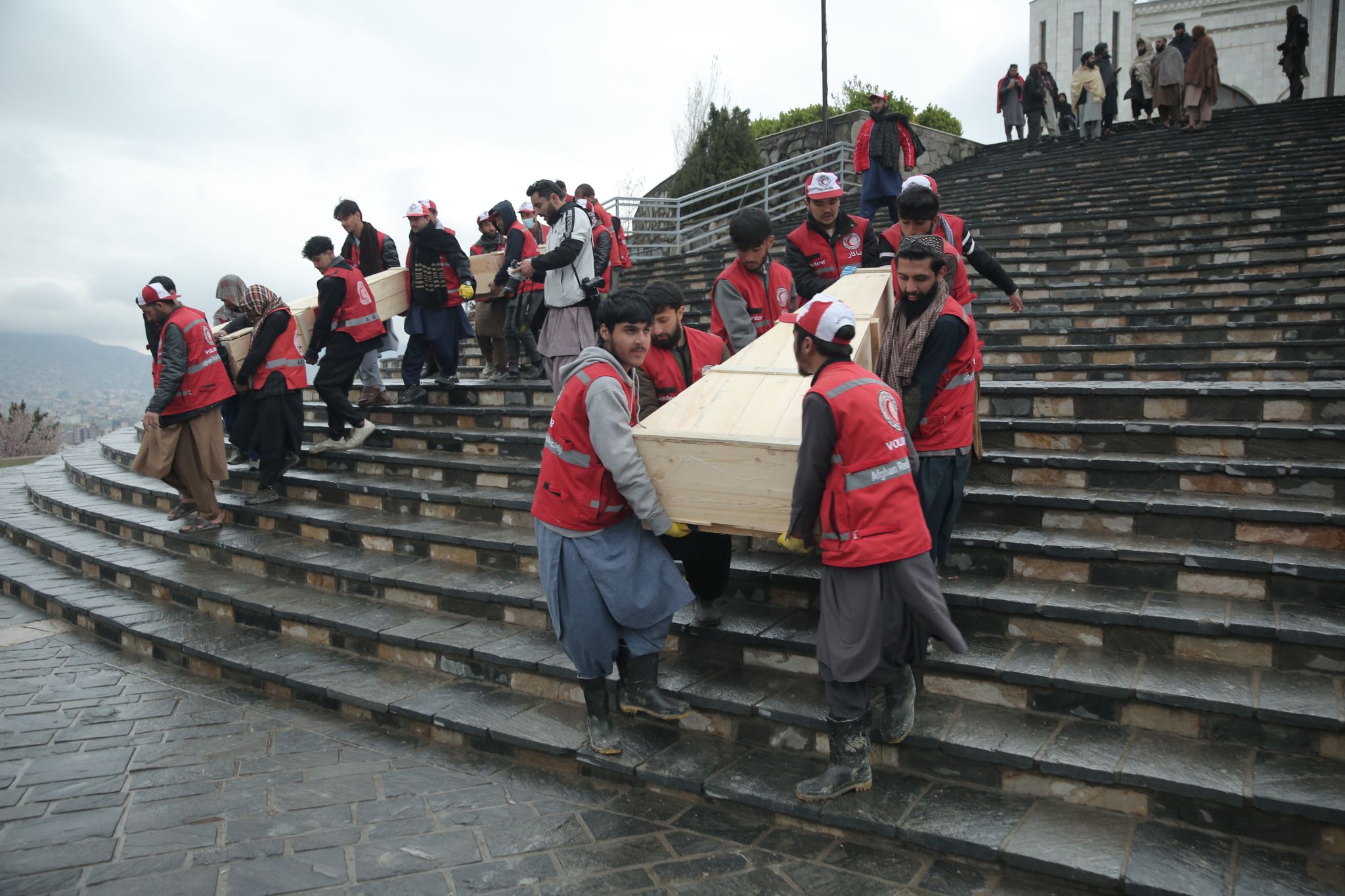
It wasn’t a sudden storm this time; it was Pakistan’s air force, tearing through the predawn quiet of Afghanistan’s border provinces. The United Nations, in a decidedly grim assessment, confirmed the fatal arithmetic: twenty-eight civilians, give or take, reportedly gone. Their lives, extinguished in what Islamabad insists was a targeted strike against terrorists—the usual suspects, elements of the Tehrik-i-Taliban Pakistan (TTP), they call them. But families are now just broken pieces.
And so, the familiar cycle of violence grinds on, etched deeply into the mountainous terrain. These weren’t mere pinprick attacks. According to the UN, the fatalities occurred across Khost and Paktika provinces, right where Afghanistan snuggles up against Pakistan’s restive tribal regions. The grim tally includes women and children, innocent lives caught in a conflict that isn’t really theirs, but consumes them anyway.
For Islamabad, this was a moment of firm declaration, a flexing of muscle meant for an audience both foreign and domestic. “We’re absolutely committed to stamping out terrorism, no matter where it festers,” said Ahmed Qureshi, a senior aide in Pakistan’s Interior Ministry, in a remarkably terse statement to this wire service. “Our actions are a sovereign right to protect our citizens, and we urge Afghanistan to act decisively against elements using their soil for attacks against us. Civilian casualties, while deeply regrettable, are an unfortunate reality when terrorist groups embed themselves among the innocent.” It’s a boilerplate response, sure, but it perfectly encapsulates the frustration Pakistan’s ruling establishment feels—that its neighbors just aren’t doing enough.
Because let’s be honest, this isn’t just about hot pursuit. It’s about a deepening fracture in what’s already an incredibly strained relationship. The Pakistani Taliban, or TTP, has escalated its bloody campaign against the Pakistani state, igniting anxieties in Islamabad. And Kabul, under the steadfast but isolated rule of the Taliban government, isn’t exactly rushing to assist its erstwhile benefactors across the border. It’s a complicated, even farcical, situation: former allies now playing a dangerous game of cat — and mouse.
From the Afghan side, the condemnation was predictably sharp, bordering on incendiary. “These attacks aren’t just an affront; they’re a naked act of aggression against our people, our sovereignty,” declared Zabihullah Mujahid, the Taliban’s chief spokesman, his voice carrying the weight of sovereign indignation. “The consequences for these unwarranted bombings will be severe, and Pakistan will bear the full weight of their reckless decisions. Our patience, it’s wearing thin.” Big words. Potentially dangerous ones.
The history here, it’s long and bloody. The porous, often unmarked 2,670-kilometer (1,640-mile) Durand Line, drawn by the British more than a century ago, remains a point of bitter contention. It slices through Pashtun tribal lands, ignoring familial ties — and cultural lines, a colonial scar that festers. It’s fertile ground for extremism, for men who’ve always seen themselves as independent of any central authority, be it Islamabad or Kabul.
This incident—this bombing, these deaths—it’s not an anomaly. The Armed Conflict Location & Event Data Project (ACLED) recorded over 1,000 violent events in Pakistan involving the TTP in 2023 alone, a figure representing a substantial increase over previous years. That’s a stark, brutal fact, — and it certainly explains Pakistan’s twitchy finger on the trigger. But it doesn’t, can’t, account for civilian collateral.
What This Means
This escalating cross-border skirmish, unfortunately, means very little good for anyone involved. For one, it exposes the ever-present regional fragility. Pakistan’s domestic security calculus, heavily influenced by TTP’s resurgent threat, clashes directly with Afghanistan’s insistence on territorial integrity and its (perhaps, deliberate) inability or unwillingness to control militant groups operating from its soil. You’ve got to wonder: how long until these retaliatory strikes become a normalized, open conflict? It’s not just about border security; it’s about two states on a collision course, both believing they’re in the right, both employing tactics that inevitably victimize the very people they claim to protect.
Economically, this sort of instability is a wrecking ball. Cross-border trade, already hampered by poor infrastructure — and diplomatic spats, takes another hit. And that, in an already struggling regional economy, makes folks poorer, pushes them toward illicit trade or extremism—a nasty, self-fulfilling prophecy. And it certainly isn’t making it easier for Islamabad to secure much-needed international investment or assistance. No one wants to pour money into a volatile neighborhood.
The political implications are messy, too. Pakistan’s government, grappling with its own domestic political turmoil and economic woes, can ill-afford a protracted cross-border conflict. But failing to act against the TTP could be seen as weakness, costing it public support. For the Taliban, these strikes present a challenge to their legitimacy both at home — and on the world stage. They can’t defend their borders effectively, — and they can’t control the elements within them. It’s a tightrope walk between maintaining national pride and alienating an international community that’s already skeptical. It won’t get any easier, not by a long shot.
The harsh truth is, without a functional, trusted channel for de-escalation—and there isn’t one between these two, not really—we’re likely to see more dust, more violence. More civilian casualties. And more cycles of fury, without an end in sight.