


Jerusalem’s Tightrope: Germany’s Envoy Departs as Geopolitical Fault Lines Deepen
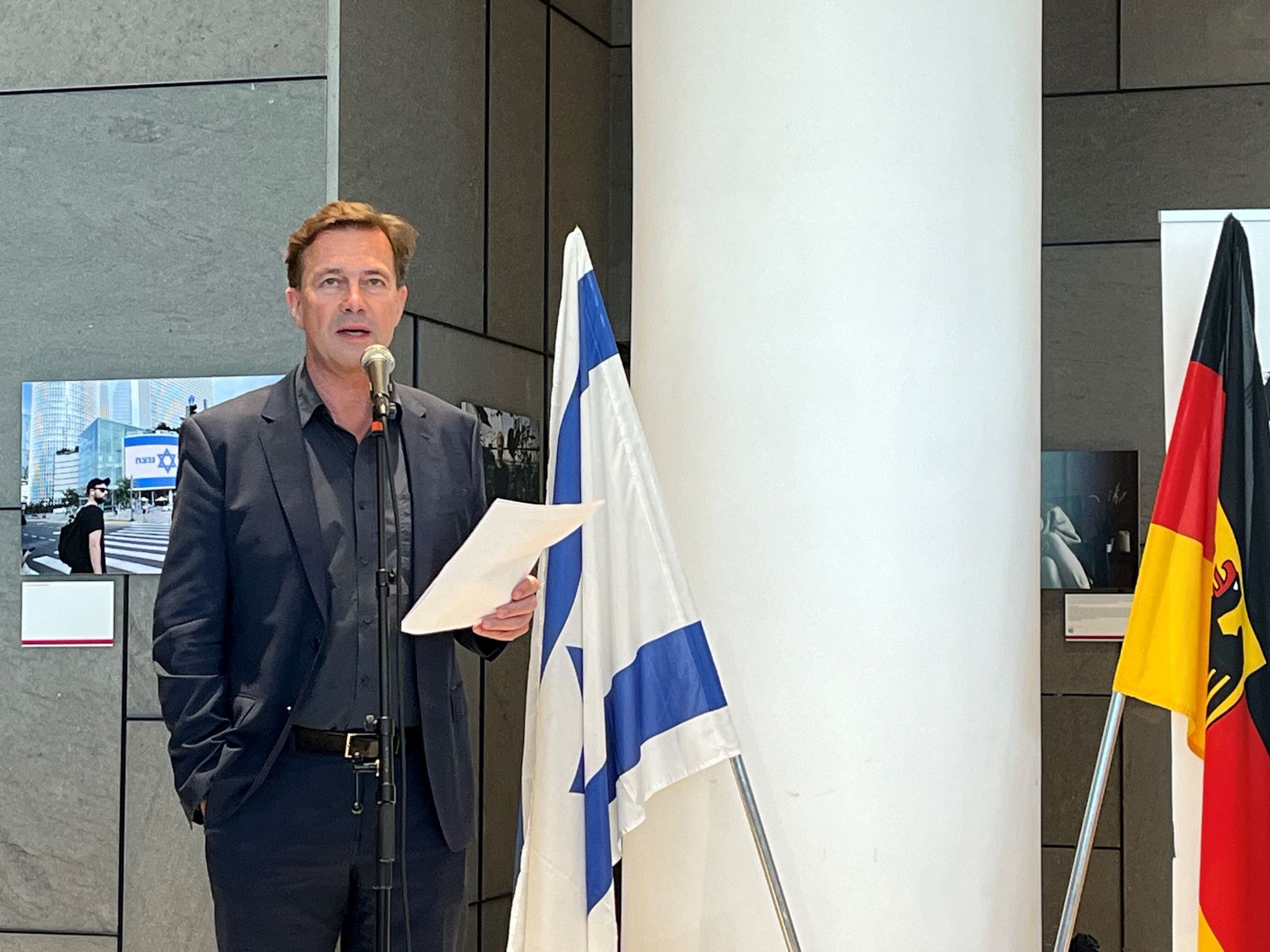
POLICY WIRE — Berlin, Germany — There’s always a distinct choreography to departures in diplomacy, especially when the dance partner is Israel and the dancer represents Germany. Steffen Seifert, the...

POLICY WIRE — Berlin, Germany — There’s always a distinct choreography to departures in diplomacy, especially when the dance partner is Israel and the dancer represents Germany. Steffen Seifert, the long-serving German ambassador to Tel Aviv, has packed his bags. And his exit isn’t just about retirement papers. It’s a changing of the guard at a moment when the relationship, steeped in unique historical baggage, feels increasingly pulled taut by global tremors.
Because let’s be honest, this posting isn’t like any other. It’s not simply about trade agreements or cultural exchanges—though those are part of it. It’s about managing an inherited moral debt, a “special relationship” forged in the fires of the Shoah, an inescapable shadow defining every utterance, every policy shift. Seifert spent his tenure—five years, a decent stretch for a modern envoy—walking that tightrope, always with the ghosts of the past looking over his shoulder, even as new, urgent geopolitical realities demanded his full, undivided attention. That’s a heavy cloak to wear, believe you me.
During his time, Seifert navigated shifts both domestically in Germany and in the fiercely contested Israeli political landscape. It wasn’t a cushy gig. He’s seen coalitions rise and fall, regional skirmishes erupt, and the European Union’s often-divided stance on the Mideast play out firsthand. And frankly, maintaining that steadfast German line—unwavering commitment to Israel’s security, simultaneous advocacy for a two-state solution—can feel like trying to nail jelly to a wall some days.
“Serving in Jerusalem, particularly as a German, is less a job and more a perpetual historical conversation,” Ambassador Seifert reportedly reflected in a private farewell to his staff. “Every handshake carries the weight of generations. It’s an honor, but also an immense, sobering responsibility, ensuring our words always translate into tangible support for security, and yes, for peace.” That’s a careful summation, isn’t it?
The Berlin-Jerusalem connection isn’t just symbolic; it’s tangible. For instance, Germany remains Israel’s largest trading partner within the European Union, with bilateral trade volumes hitting approximately $8 billion in 2022, according to the German Federal Foreign Office. That’s real money, underpinning a diplomatic bond that’s about more than just historical narratives. But beneath the surface of shared commerce — and moral pledges, new diplomatic headaches fester. From disagreements over settlements to debates on Iran, the “special” has occasionally felt particularly strained.
But how does a German diplomat manage this delicate balancing act when global opinion itself splinters along deeply ideological lines? This isn’t just a concern for Jerusalem; it ripples through Germany’s engagement across the wider Muslim world. Think about how Berlin approaches nations like Pakistan. They’ve got their own regional complexities—border disputes, security challenges, and a foreign policy calculus often at odds with European priorities. The same careful calibration applied to Israel, factoring in unique historical, religious, and political sensitivities, also defines much of German engagement in South Asia. It’s about managing expectations and navigating sometimes diametrically opposed worldviews, trying to keep the dialogue channels open and stability somewhat intact, even if that means biting your tongue now and then. German foreign policy—it’s a global juggling act. When one ball drops, say, over humanitarian issues in Gaza, it affects perceptions everywhere, from Islamabad to Cairo. Such nuanced diplomacy is always tested in volatile regions.
His replacement steps into a period where these traditional bonds are under fresh scrutiny. Geopolitical realignment, a resurgent right-wing populism in Europe that often harbors complicated views on Israel, and an increasingly assertive—and often deeply critical—global South mean the next envoy won’t just be a custodian of history. They’ll be a frontline warrior in the battle of narratives. It’s a lot.
Israeli Ministry of Foreign Affairs Director-General Ronen Levi remarked, “Ambassador Seifert has been a true friend to Israel during a tumultuous period. His understanding of our region, forged in decades of German commitment, is deeply appreciated. We anticipate working with his successor to strengthen these unique ties, even as the challenges around us only seem to multiply.” Diplomats, they always speak in euphemisms, don’t they?
What This Means
The departure of a seasoned envoy like Seifert, while routine, isn’t without deeper implications, especially given the current global climate. Germany’s post-Holocaust foreign policy mandate to protect Israel has increasingly collided with its growing responsibilities as a European power advocating for international law and human rights more broadly. The new ambassador won’t simply continue a legacy; they’ll be tasked with modernizing it. This involves recalibrating expectations within the German domestic political sphere—where an increasing Muslim population holds different views on the Mideast conflict—and on the international stage. But it’s not just internal. It’s also external pressure from Brussels — and Washington. The balancing act becomes even more precarious when Germany is asked to project influence on issues from Iran’s nuclear ambitions to humanitarian crises, often amidst significant political haggling over funding and strategy. The era of unconditional, unexamined support—if it ever truly existed—is over. The new diplomat will need a sharper elbow and an even thicker skin, because the “special relationship” is going to be tested. Hard.