

Germany’s Great Construction Gambit: Bundestag Greenlights Bureaucratic Shortcut for Stalled Infrastructure
POLICY WIRE — BERLIN, GERMANY — For years, Germany’s legendary efficiency seemed to hit a rather inconvenient brick wall the moment it met a construction site. Our autobahns, once the envy of the...

POLICY WIRE — BERLIN, GERMANY — For years, Germany’s legendary efficiency seemed to hit a rather inconvenient brick wall the moment it met a construction site. Our autobahns, once the envy of the world, now suffer perennial snarls. Our trains, often precise to the minute, increasingly just aren’t. And as for any new build? Well, don’t hold your breath.
It’s why the recent vote in the Bundestag wasn’t just another legislative blip; it was a desperate heave against decades of self-imposed paralysis. The German parliament has — after what felt like an eternity of debate, naturally — approved a new law designed to whack the procedural hydra strangling the nation’s transport infrastructure. You know, to actually build things, — and perhaps even quickly. Fancy that.
This isn’t about just smoothing things over. It’s about taking a wrecking ball to the administrative bottlenecks that have seen projects drag on for years, sometimes decades, costing billions and trying the patience of everyone from lorry drivers to climate activists. The very bedrock of Germany’s economic prowess, its transport network, has become a grinding gears meme. Now, officials reckon they’ve got the lubricant.
The law’s guts are all about speed. It aims to streamline environmental impact assessments, limit opportunities for repetitive legal challenges, and generally cut the reams of red tape that make any construction proposal feel like a quest for the Holy Grail. For instance, minor upgrades or repairs to existing infrastructure will now dodge much of the labyrinthine planning approvals. Good, because we need it. EU-China trade brinkmanship isn’t going to wait for Germany’s slowest excavator.
Christian Lindner, Germany’s sharp-suited Finance Minister, didn’t mince words. “It’s time to yank Germany’s infrastructure out of its planning coma. We can’t be Europe’s economic locomotive if our trains crawl — and our digital lines stutter.” He’s not wrong, you know. The cost of delays is simply astronomical, though some environmental groups worry the price will be paid elsewhere.
But there’s a catch, of course. Always is. The Greens, part of the ruling coalition, reluctantly agreed to some of these fast-tracking measures. Their concern is palpable: that efficiency might come at the expense of environmental due diligence. “Speed isn’t everything,” cautioned a spokesperson for the German Environment Ministry. “We’ve got to balance progress with protection. The long-term costs of neglecting our planet far outweigh the temporary delays of a proper environmental review.” That’s a fair point, frankly. Nobody wants to discover a critically endangered badger family *after* the high-speed rail line is already laid.
It’s not just about domestic inconvenience, either. Germany is a trade nation, after all. The world looks to us for those perfectly engineered bits — and bobs. Our supply chains, the very veins of our industry, reach across the globe, from the factories of East Asia to the burgeoning markets of the Muslim world. Pakistan, for instance, a growing recipient of German machinery and expertise, relies on an efficient German gateway to move goods both ways. If goods can’t get to or from German ports quickly, or if components destined for German plants are delayed by internal German logistics, it ripples outwards. We’re talking real money.
Recent data from the Federal Statistical Office suggests the average major infrastructure project in Germany experiences planning delays exceeding three years before even breaking ground. Three years! That’s before a single shovel hits the dirt. You’ve gotta wonder how much dough simply evaporates during all that pen-pushing.
What This Means
This legislative push represents a political wager. If it works, Germany could see a much-needed renaissance in its aging physical assets – think modern digital railways, better broadband networks even in the countryside (finally!), and improved roads. Industry, which has been screaming about these bottlenecks for ages, will breathe a collective sigh of relief. And consumers might, just might, experience fewer travel headaches.
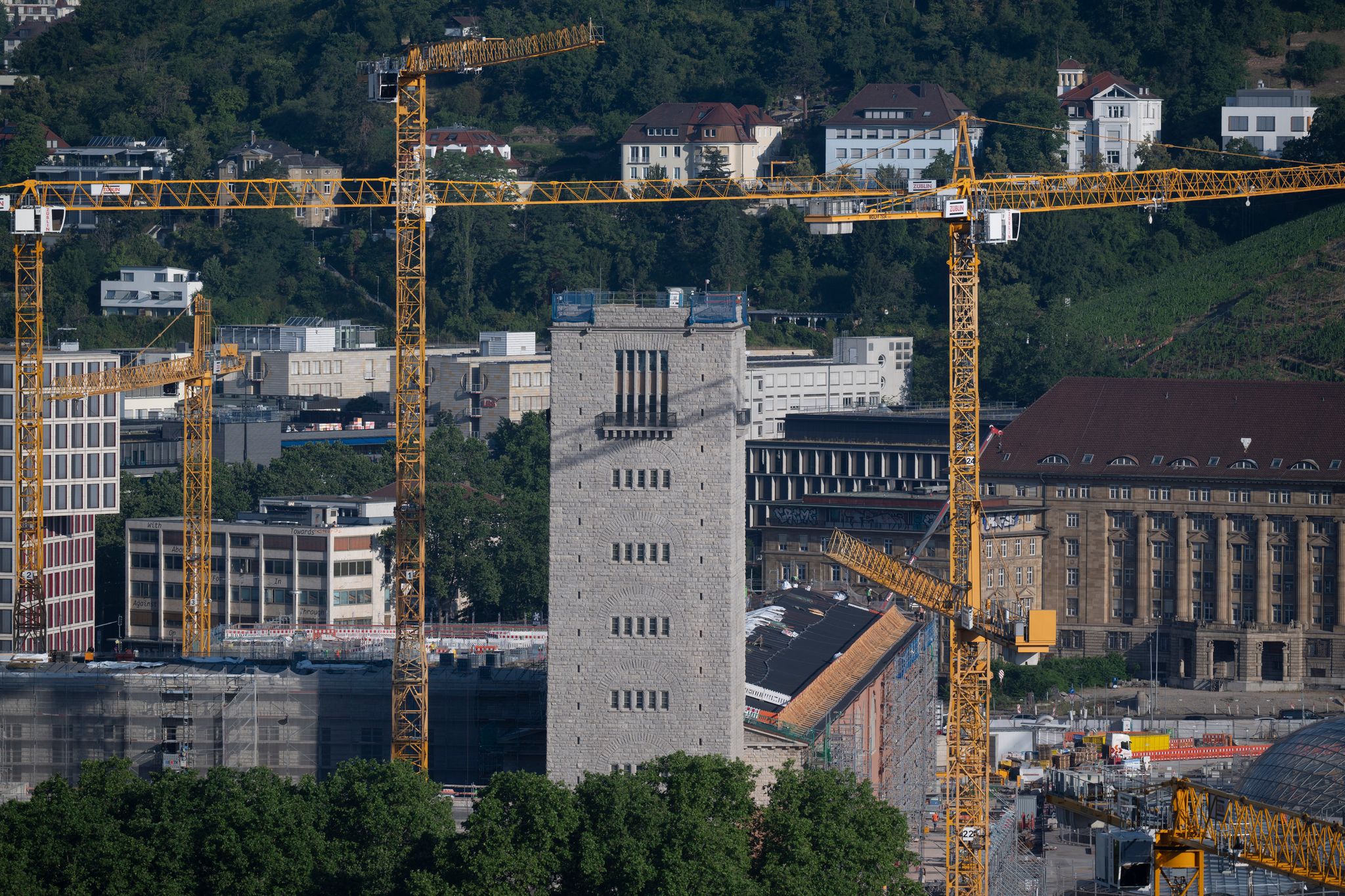
However, the balancing act is precarious. The Greens, as mentioned, conceded these measures to keep the coalition intact, but they’re watching like hawks. Any major environmental snafu, any perception that ecological protections are being trashed for expediency, could unravel public support faster than you can say ‘Stuttgart 21’ (a project infamous for its delays and protests, by the way). Politically, if this speeds things up without environmental disaster, Chancellor Olaf Scholz’s government gets a badly needed win. If not? It’s another rod for their own backs. Economically, faster project completion reduces costs — and boosts productivity. It’s simple economics. If Europe wants to stay competitive, every link in the chain has to function. Even Germany’s political instability isn’t as chronic, but our infrastructure problem is. This new law, then, is less a blueprint for the future — and more a Hail Mary pass. One that, if it lands, could reshape Germany’s reputation from bureaucratic nightmare to efficient innovator once again. It just depends on whether the ink on the law dries before the next inevitable lawsuit.