

Software Engineer Downs Indian Giants: Cricket’s Unlikely Global Order
POLICY WIRE — Dublin, Ireland — Cricket, they say, is a game of glorious uncertainties. But few could’ve predicted this particular curveball: a virtually unknown software engineer from...

POLICY WIRE — Dublin, Ireland — Cricket, they say, is a game of glorious uncertainties. But few could’ve predicted this particular curveball: a virtually unknown software engineer from Rajasthan, still holding an Indian passport, delivering the death blow to one of the sport’s juggernauts. This past Sunday, as the evening shadows stretched long across Stormont, Ireland pulled off a shocker, routing India by a dramatic one-run margin and ending India’s vaunted 16 consecutive T20I series victories dating back to 2023. And who was at the heart of this stunning reversal? One Jai Moondra, the unlikely harbinger of an altered sporting landscape.
For years, Indian cricket has loomed large, a behemoth whose financial might and sheer talent often felt insurmountable. They were, after all, the reigning T20 World Cup champions. But the boys in blue weren’t just humbled; they were outright beaten—a 2-0 series sweep by a side rarely given a second thought outside the cricketing minnows’ circuit. That’s a punch to the gut, plain and simple, not just for the team, but for the entire narrative of Indian sporting dominance on the world stage.
India entered the fray looking to assert themselves, but instead, their top order crumbled with a shocking suddenness. And it was Moondra, the software engineer-turned-cricketer, who delivered the initial, crippling blows. He dismissed two of India’s batsmen, Sanju Samson — and Abhishek Sharma, for first-ball ducks. That’s right, two golden ducks. Not content with that, he then picked off captain Shreyas Iyer, leaving the visitors reeling, their aspirations lying in tatters almost before they’d begun. It’s a testament to the unpredictable nature of global talent pools—where the next match-winner might just as easily be coding by day and dominating pitches by night. One might argue this burgeoning global exchange of talent, often blurring national sporting loyalties, mirrors the economic complexities explored in pieces like Houston’s Cultural Anarchy, where diverse populations shape new societal norms.
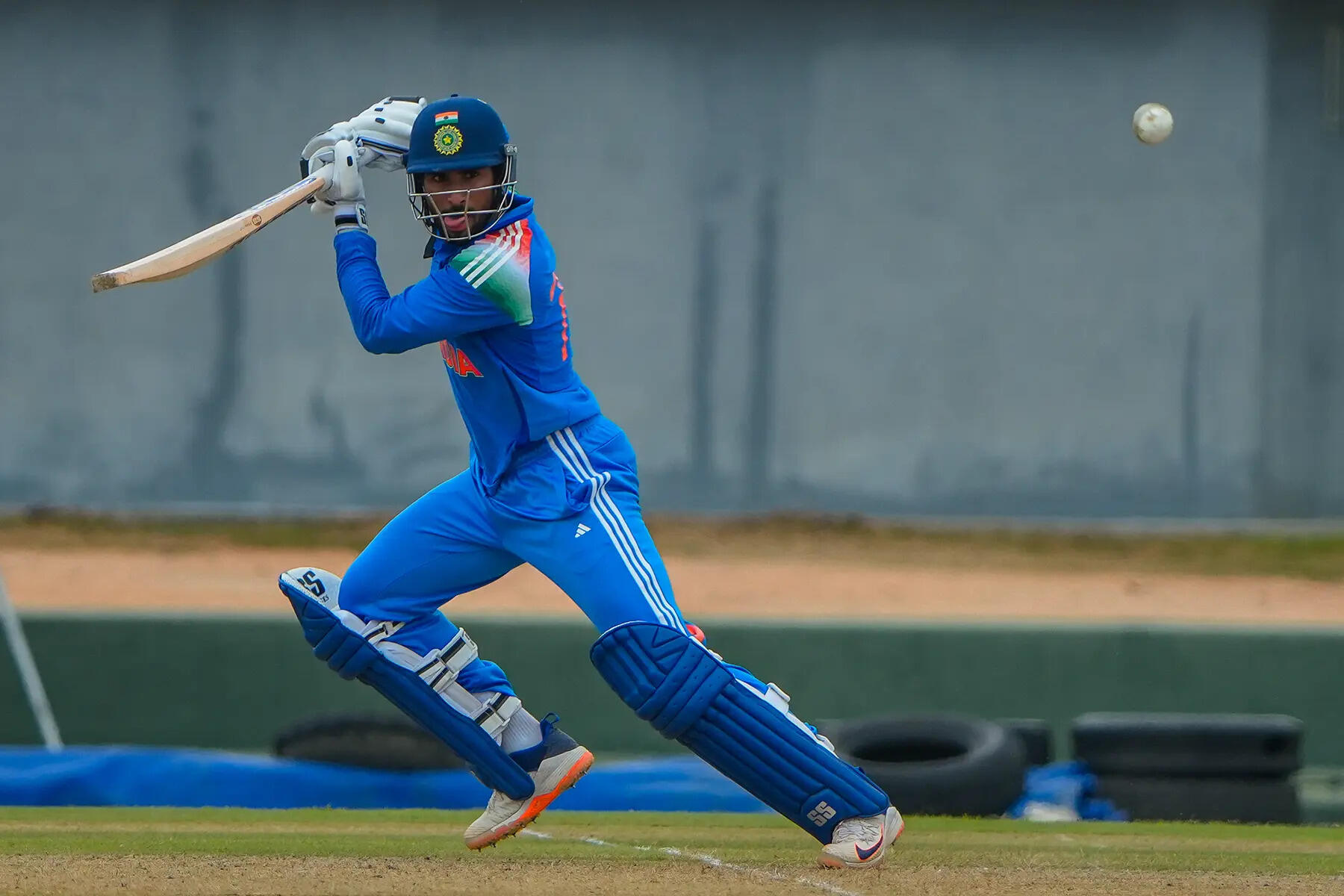
Into this unfolding disaster stepped Tilak Varma. He was presented with the unenviable task of trying to rebuild a demolished innings. The surface wasn’t helping either; it was a beast, [QUOTE_PLACEHOLDER]. But Varma, perhaps displaying the resilience now expected of modern Indian cricketers, adopted a patient approach, absorbing pressure when all around him was chaos. He eventually managed to craft a crucial alliance with Axar Patel, giving India a fighting chance, however remote.
Varma eventually reached his half-century in 45 deliveries. He did it by launching Matthew Hollard over deep mid-wicket for India’s first six of the innings. It was a moment of hope, a flash of defiance in the gathering gloom. And sure, it put him on an unwanted list—[QUOTE_PLACEHOLDER] and the [QUOTE_PLACEHOLDER] To put that into perspective, the legendary KL Rahul holds the top spot for slowest T20I 50 for India, reaching 56 runs in as many balls against South Africa in Trivandrum in 2022. But given the maelstrom he navigated, that statistical footnote felt almost cruel. The circumstances, however, were far from ordinary.
But the [QUOTE_PLACEHOLDER] Attempting another aggressive stroke, Varma [QUOTE_PLACEHOLDER] and departed for 55 off 46 deliveries. His dismissal extinguished India’s most realistic glimmer of victory. While Harshit Rana conjured a quickfire cameo, smashing 21 off just 10 balls, Ireland held their nerve, sealing a truly memorable one-run victory. They’ve done it. Ireland beat India. Twice.
It’s not just a statistic, you know. It’s a statement. And it’s one that resonates across a cricket-obsessed subcontinent, where India’s every success is a source of national pride, and every stumble, fodder for regional rivals. Folks in Lahore or Karachi will be watching this, absorbing this, probably with a quiet smirk. For a nation like India, whose self-image and economic prowess are increasingly tied to its sporting dominance, such defeats are never just about the scoreline. They’re about something more, something deeper.
What This Means
This result, while seemingly isolated in the realm of sport, offers a fascinating glimpse into broader geopolitical and economic narratives. For Ireland, it’s a shot in the arm—validation on the international stage and a potential boost for their domestic game. More critically, it illustrates the ongoing decentralization of global sporting power. Nations once dismissed as also-rans are leveraging growing infrastructures and access to diverse talent, challenging established hegemonies.
For India, the sting of defeat isn’t merely athletic. Cricket is India’s preeminent soft power export, a cultural anchor tying together a diverse population and projecting influence across South Asia and the diaspora. A loss to an emerging cricketing nation like Ireland, especially a comprehensive series whitewash, raises questions about competitive depth, strategy, and even the mental fortitude of a squad accustomed to overwhelming success. It could spark introspection within the powerful Board of Control for Cricket in India (BCCI), prompting discussions on nurturing talent and perhaps a less complacent approach to supposedly lesser opponents. the role of a player like Moondra, an Indian citizen playing for Ireland, speaks volumes about the globalized nature of modern sport and the fluid identities of its participants. It complicates national narratives, blurring lines that were once clear-cut, proving that talent can originate and flourish in unexpected corners of the world, much like the multifaceted global economy.