

The Global Grind: Barcola’s PSG Dilemma Exposes Football’s Ruthless Power Play
POLICY WIRE — London, UK — Forget the tactical nuances; modern elite football transfers are, at their heart, brutal corporate maneuvers. A high-stakes game of economic brinkmanship played out across...

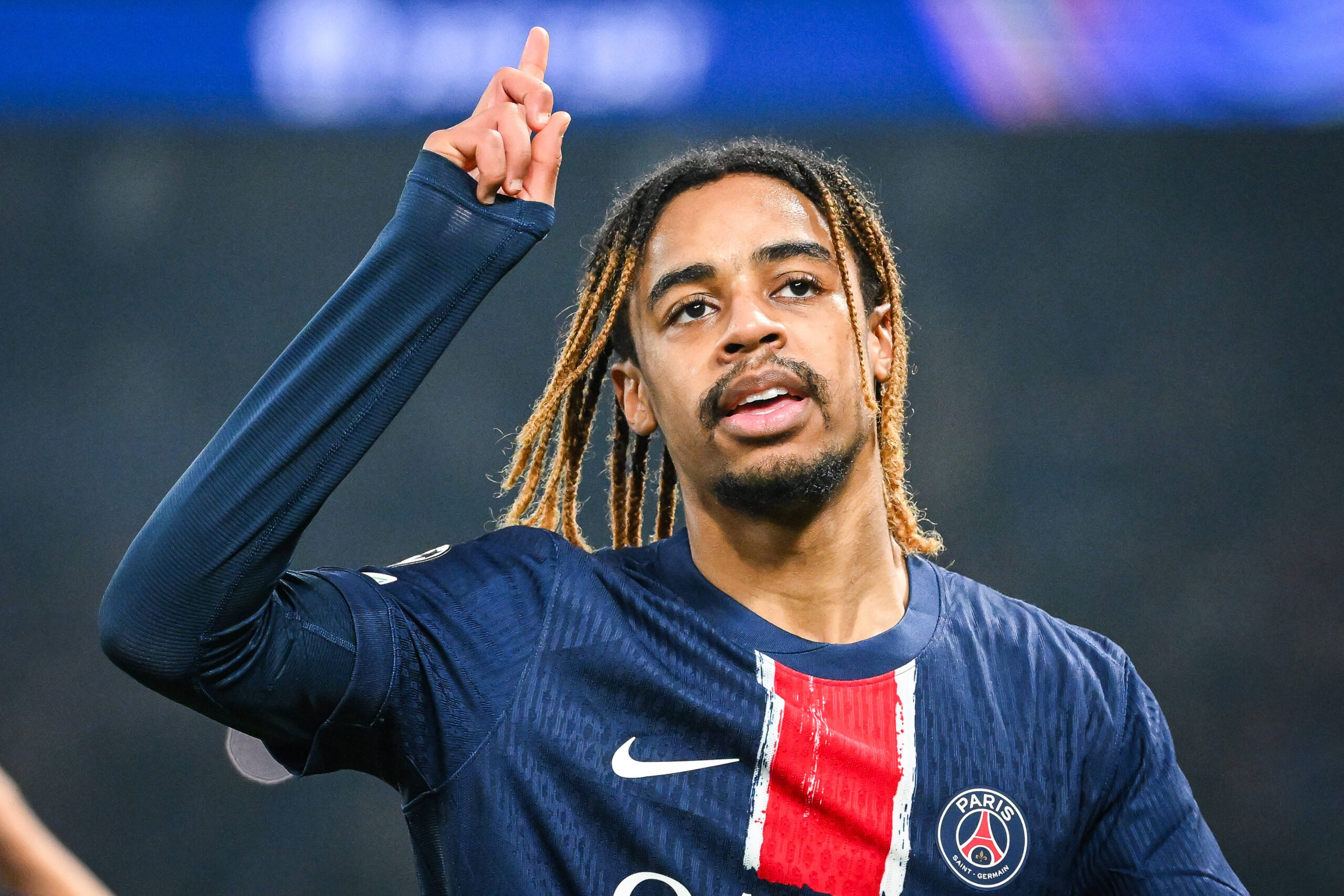
POLICY WIRE — London, UK — Forget the tactical nuances; modern elite football transfers are, at their heart, brutal corporate maneuvers. A high-stakes game of economic brinkmanship played out across a global stage. The casual observer might see a young talent like Bradley Barcola simply as a promising forward, perhaps even Liverpool’s next marquee signing. But beneath the surface, his professional uncertainty at Paris Saint-Germain isn’t just about a player’s career trajectory; it’s a revealing microcosm of a far larger, more aggressive struggle for dominance, prestige, and influence.
It’s not just about winning on the pitch anymore, is it? Not when nations pump billions into clubs, transforming them into soft power vehicles. Consider Paris Saint-Germain: a Qatari-owned behemoth whose transfers frequently resemble state-backed acquisitions. They’re not just buying players; they’re acquiring global brand ambassadors, cultural assets in a relentless charm offensive. And when a talent like Barcola—swift, direct, and primed for the top flight—finds himself in the Parisian club’s opulent, yet often volatile, ecosystem, every decision takes on an outsized significance, far beyond simple squad rotation.
Sources close to Liverpool’s recruitment hierarchy, speaking on condition of anonymity due to the delicate nature of transfer negotiations, admit the situation is finely balanced. “We’re constantly evaluating opportunities,” one insider divulged, their voice tight with practiced discretion. “The market moves fast; what’s a speculative whisper one day is a firm bid the next. You don’t make major plays out of desperation, but you also don’t sit idly by. We need players who can genuinely impact our ambition. And, well, there aren’t too many of those running around for free.”
But that’s Liverpool’s position. PSG’s posture is predictably — some might say arrogantly — different. The Parisian outfit isn’t exactly known for negotiating from a position of weakness, even with their own talent. Their Qatari ownership has invested stratospheric sums, setting the bar for football economics globally. According to Deloitte’s 2023 Annual Review of Football Finance, the cumulative transfer expenditure of European ‘big five’ leagues soared to over €7.3 billion, a new record, underscoring the raw financial muscle being deployed. PSG contributes significantly to that figure year after year, altering market expectations with every move.
“Bradley is a gifted player, no question,” stated a non-committal PSG board member, speaking with characteristic assurance to French media outlets, presumably from a very expensive location. “We nurture talent; we build champions. Our strategy isn’t defined by external whispers. If a player fits our vision for long-term dominance, then he stays. If not, then market forces dictate a suitable arrangement. It’s business, but it’s our business.” This cold calculus, of course, implies a buyer’s market where PSG is always the vendor with ultimate leverage.
Because that’s the reality for clubs without the bottomless pits of state sponsorship. They’ve got to be cannier, sharper. The initial whispers suggested Yan Diomande as the Anfield side’s preferred option. But, in this chess match, pieces shift without warning. When Diomande pivoted towards Paris – or was nudged that way – Liverpool’s focus would naturally, aggressively, shift. It’s a game of interlocking interests, a global dance where one missed step means losing out on millions, and, critically, losing ground in the arms race for top-tier talent. This isn’t just about a young player; it’s about a geopolitical chess match played with athletic human capital.
The murmuring from Fabrice Hawkins of RMC Sport – that Barcola’s future remains “uncertain” with “anything possible” – might seem like a mere detail to the casual football fan. But for Policy Wire, it’s a profound indicator. Uncertainty is a currency in this market. It’s the slight tremor in the facade that strategic operators, be they states or mega-clubs, exploit. PSG’s potential openness to an exit, however subtle, presents a rare chink in their formidable armour. It opens a brief window for Liverpool to pounce on a player already operating at an elite level, understanding the pressure cooker of high-stakes football.
What This Means
The ongoing saga around Bradley Barcola, a name likely unfamiliar to many beyond Europe’s football strongholds, offers a crucial lens into the modern global sports economy. It lays bare the sheer financial might wielded by state-backed entities like Qatar Sports Investments via PSG, profoundly distorting the traditional transfer market. Their capacity to sign, retain, or offload players dictates market rates and competitive balances far beyond French Ligue 1. For clubs like Liverpool, which operate on more conventional (albeit still enormous) commercial revenue streams, navigating this landscape requires surgical precision and the kind of long-term strategic vision reminiscent of international diplomacy.
The wider implications resonate globally. The immense value placed on a single player, often propelled by investments from the Gulf states, underscores the burgeoning importance of football as a geopolitical tool. The astronomical salaries and transfer fees contribute to a perception of aspirational success, drawing massive viewership and sponsorship from regions like South Asia and the wider Muslim world, where European football enjoys unprecedented popularity. This generates enormous revenue streams that feed back into the global sport. But it also means emerging football economies, perhaps in countries like Pakistan, face an even steeper challenge to develop and retain talent when confronted by the magnetic pull and financial might of Europe’s super clubs. It’s a subtle but effective form of global capital drain. This dynamic ensures that a player’s perceived uncertainty at one club isn’t just a sport headline; it’s a tremor on the geopolitical Richter scale, indicating shifts in who holds the levers of influence in a massively influential global industry.
So, while the pundits will dissect formations and finishing, the real story unfolds in boardrooms and clandestine phone calls, where the value of human talent is calculated with clinical detachment, and clubs, like nations, jockey for position in an ever more competitive, increasingly unforgiving global arena.