


California’s ‘No-Kill’ Charade: A Sanctuary Becomes a Graveyard for Hundreds
POLICY WIRE — Fortuna, United States — A veneer of compassion has cracked wide open in rural Humboldt County, revealing a grim charade that makes a mockery of public trust. It wasn’t a struggling...

POLICY WIRE — Fortuna, United States — A veneer of compassion has cracked wide open in rural Humboldt County, revealing a grim charade that makes a mockery of public trust. It wasn’t a struggling city pound or a fly-by-night operation; no, the scene of such profound despair emerged from Miranda’s Rescue Animal Sanctuary, a self-proclaimed refuge boasting a ‘no-kill’ ethos.
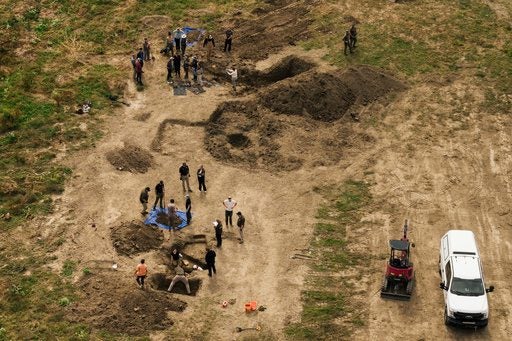
Investigators, led by the Humboldt County Sheriff’s Office, didn’t just stumble upon an accident; they unearthed a calculated betrayal. What started as whispers in April—allegations of felony animal abuse, animal cruelty, fraud, and conspiracy—has morphed into a ghastly inventory. They’ve found at least 117 canine remains, some with bullet fragments still lodged inside, littering a supposedly humane institution. And frankly, the deeper they dig, the worse it gets. [QUOTE_PLACEHOLDER]
Consider the scale: sheriff’s deputies, sifting through the 50-acre facility, uncovered 21 canine skulls, a chilling collection of bones, and other grisly remnants. This isn’t just a handful of tragic deaths. It speaks to systemic failure, to a deliberate pattern of neglect — and violence cloaked under the guise of benevolence. More than 600 dog collars were discovered nearby. Six-hundred collars. That’s an awful lot of pets whose last moments weren’t what anyone signing them over envisioned.
The founder, Shannon Miranda, has tried to deflect, offering up a statement posted on the shelter’s website that suggested recent media coverage and online commentary have presented an incomplete and, in some cases, inaccurate picture of our work. But it’s tough to spin a finding like 117 intact remains—many exhibiting gunshot wounds—as an ‘incomplete picture’. The authorities, using ground-penetrating radar, located these bodies in various stages of decomposition, buried in an open field. And they weren’t done; other remains in advanced stages of decomposition also turned up. This just isn’t something that happens in a sanctuary.
But how do these things fester, particularly when organizations trade on public empathy? Miranda’s Rescue isn’t unique in its solicitation of donations; they also collected fees from shelter transfers. Those funds, the shelter claimed, covered the costs of food, housing, veterinary care, medications, facility expenses and staffing. We all want to believe in the good guys. And usually, we’re happy to open our wallets for them, trusting our hard-earned cash or cherished pets will go to a good cause.
The tip-off that cracked this grim case actually came from an adjoining property owner, one of two animal advocates. They’d used trail cameras to monitor activity near an alleged burial site, then bravely, or perhaps foolishly, went onto shelter property themselves to dig up dog remains. That’s citizen journalism at its rawest—and riskiest. The fact that the initial investigation targeted an area in a barn where they believe dogs were likely killed should send shivers down your spine.
Sheriff William Honsal wasn’t shy about his reaction, calling it a horrific scene. He’s right. It makes you question everything you thought you knew about these kinds of organizations. Honsal acknowledged this investigation is just getting started. There’s a tremendous amount of data to process, witnesses to interview, — and evidence to examine. Charges haven’t been filed yet, but the evidentiary landscape looks dire for the facility’s management.
Miranda, in an earlier statement, asserted Miranda’s Rescue is a no-kill rescue. We don’t euthanize animals simply to make space. Yet, he conceded there are rare circumstances in which euthanasia may be necessary — when an animal is suffering from a terminal condition or when it poses a serious, ongoing danger to people or other animals. And in those situations, we make the most humane and responsible decision we can, always with public safety and animal welfare in mind. The X-rays revealing bullet fragments in many of the remains suggest a definition of ‘humane and responsible’ decision-making quite far afield from what most people understand. And anyway, roughly 920,000 shelter animals are euthanized each year nationwide, according to the ASPCA, mostly in facilities not explicitly labeled ‘no-kill’. This context makes Miranda’s purported practice an even sharper contrast to ethical norms.
What This Means
This incident transcends local animal welfare concerns. It casts a long, unsettling shadow on the entire non-profit sector, particularly those reliant on public donations and emotional appeals. When a ‘no-kill’ sanctuary becomes a kill site, it erodes the public’s faith in charitable institutions as a whole—a corrosive impact felt globally.
In many parts of the Muslim world, including Pakistan and other South Asian nations, animal welfare organizations, often rooted in Islamic tenets emphasizing kindness to all living beings, struggle for resources and often rely on robust public trust and consistent funding. This California debacle, should accountability prove elusive, sends a grim message: even organizations purporting the purest of intentions can descend into grotesque mismanagement, or worse. It puts an increased burden on regulatory bodies, on donors to conduct stringent due diligence, and on the media to rigorously scrutinize the claims of even the most feel-good causes. The economic and political implications are stark: dwindling public trust can starve legitimate, well-meaning charities of the resources they need, hindering critical work whether it’s rescuing animals or providing humanitarian aid in war-torn regions. This isn’t just about dead dogs; it’s about the silent cost of betrayed confidence across the world, for all those who champion the vulnerable.