


Shadow Prisons: The Quiet Hell in Plain Sight, Unlocked by Whispers
POLICY WIRE — [City], [Country] — For over a decade, a suburban home likely looked—from the outside, anyway—like any other. Children played in the yard, lights went on — and off, laundry hung to dry....

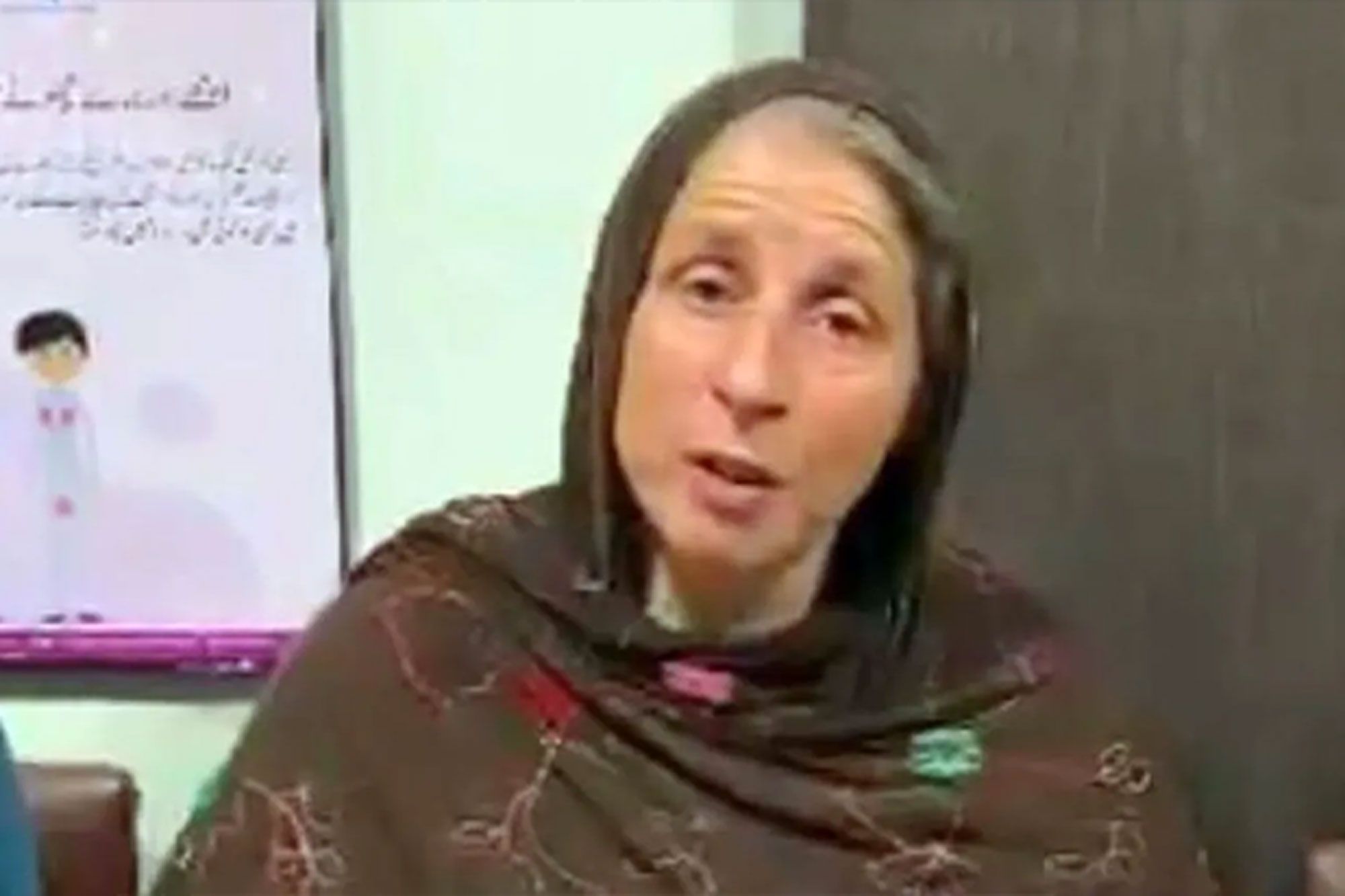
POLICY WIRE — [City], [Country] — For over a decade, a suburban home likely looked—from the outside, anyway—like any other. Children played in the yard, lights went on — and off, laundry hung to dry. But inside, if allegations are proven true, lay a brutal theatre of control, a personal shadow prison sustained by routine and reinforced by fear. This week, those walls came down, metaphorically speaking, with the rescue of a woman and her five children, allegedly held captive by her husband.
It’s the sort of story that rattles even hardened journalists, because it doesn’t just happen in conflict zones or despotic states; it happens next door. Mrs. Shah (her full name is being withheld to protect the privacy of her children), and her five kids, ranging in age from infancy to their early teens, were finally freed after what local authorities describe as years of unimaginable abuse and confinement. Neighbors, who apparently thought nothing was amiss, now offer bewildered expressions — and rote condemnations. Such are the unseen fortresses of domestic despotism.
“We received an anonymous tip, vague at first, about a welfare concern,” explained Police Chief Rahman Hassan, a man whose face carries the weariness of too many dark stories. “It wasn’t an elaborate setup. It was just…a house. A husband exercising absolute, horrific control. And because it’s so close to home, it’s all the more sickening, isn’t it?” Hassan emphasized the challenges in penetrating such deeply concealed situations. “These aren’t often cases where people are screaming from windows. They’re isolated, conditioned to silence. We rely heavily on those brave enough to finally speak up.”
But the questions hang heavy in the humid air: How did no one know for so long? How do entire families simply disappear into plain sight, swallowed whole by the seemingly innocuous four walls of a residential address? It forces us to confront uncomfortable truths about community surveillance—the things we ignore, or simply don’t see. And we don’t look hard enough, do we?
This isn’t an isolated incident, not here, — and certainly not across the globe. According to UN Women data, an estimated 30% of women worldwide have been subjected to physical and/or sexual intimate partner violence. It’s a pandemic of cruelty that largely remains behind closed doors. In countries like Pakistan, for instance, where patriarchal norms can be exceptionally rigid and societal pressures often silence victims, similar cases, though perhaps not always involving outright physical confinement, are tragically prevalent.
But here’s the thing: social structures — and religious interpretations often exacerbate the issue. While Islam fundamentally condemns violence against women and children, certain cultural practices—and even misinterpretations of religious texts—can sadly create environments where abuse flourishes unchallenge. It’s an uneasy silence that mirrors the themes of how faith can collide with harsh realities.
“We’re witnessing a reckoning, not just locally, but globally, regarding the quiet suffering that’s normalized or overlooked in homes,” remarked Dr. Aisha Karim, a leading human rights advocate focused on women’s safety in South Asia. Her comments, delivered via a video conference, underscored a persistent societal blind spot. “We must educate, empower, and equip our communities to recognize these red flags—even the subtle ones—and to act decisively. Because for every Mrs. Shah rescued, there are likely countless others still trapped, praying for a whisper to break through their walls.”
Her alleged abuser, Mr. Shah, faces multiple charges, including unlawful confinement — and grievous bodily harm. His demeanor during arrest was reportedly “unremarkable,” which, frankly, makes it all the more chilling. He wasn’t a caricature of evil; he was just a guy. And that’s precisely why it terrifies.
What This Means
The implications of this particular rescue, — and similar cases like it, stretch far beyond the immediate trauma. Economically, prolonged captivity translates into a lost productive citizen. For the children, the psychological toll means years—if not decades—of therapeutic intervention, placing strain on public health resources. Politically, these cases challenge established community support networks — and policing protocols. They highlight gaps in social welfare outreach that prioritize observable distress over insidious, long-term abuse.
the silence surrounding these events reinforces a dangerous precedent that domestic matters are strictly private—a fallacy that perpetrators exploit. Society needs to understand that prolonged, egregious abuse is never private; it’s a public failing. Its ripple effects include intergenerational trauma, increased crime rates, — and stunted human potential. Investing in robust domestic violence awareness campaigns, accessible reporting mechanisms, and community watch programs isn’t just good policy; it’s an economic imperative. Because the cost of inaction is, quite literally, measured in ruined lives.