


The Decades-Long Silence: How One Family’s Captivity Unraveled Bureaucratic Complacency
POLICY WIRE — Lahore, Pakistan — For more than a decade, the calendar turned, seasons shifted, and the global news cycle churned through revolutions and recessions, all while an entire family — a...

POLICY WIRE — Lahore, Pakistan — For more than a decade, the calendar turned, seasons shifted, and the global news cycle churned through revolutions and recessions, all while an entire family — a mother and her five children — remained functionally erased from the public consciousness, tucked away within what authorities now term a house of horrors. It wasn’t an international conspiracy, no clandestine black site or state-sponsored disappearance; it was, rather, an alleged domestic nightmare unfolding just meters from bustling streets, unnoticed by a system supposedly built to protect its most vulnerable. The rescue operation, understated in its execution, has since peeled back layers of uncomfortable questions, not just about one man’s alleged barbarity, but about the societal mechanisms that allowed such a prolonged ordeal to fester.
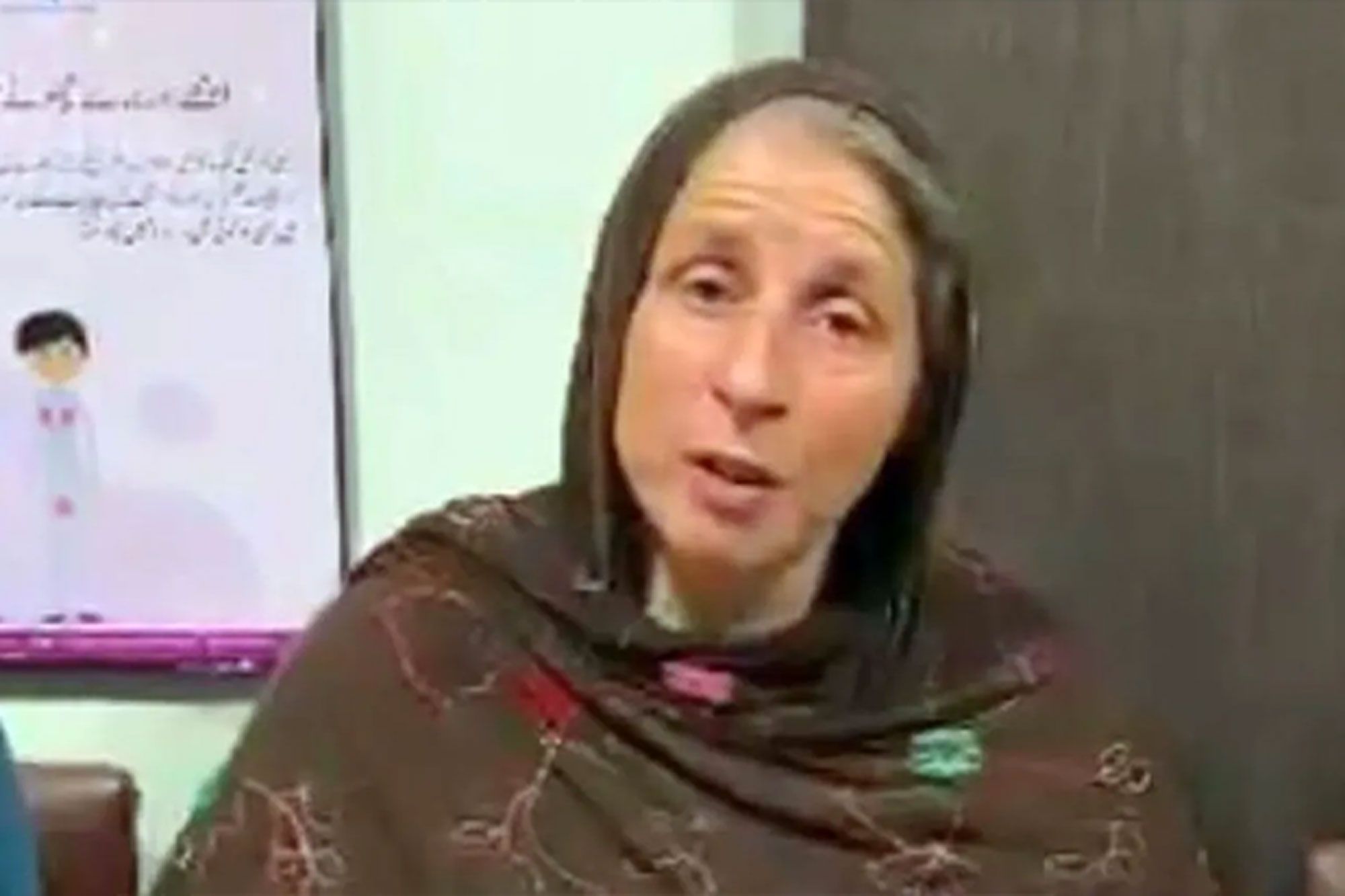
It began as many such stories do, with an anonymous tip—a whisper in a community where such whispers are often stifled by a potent mix of shame, fear, and patriarchal expectations. Local law enforcement, acting on this slender thread, conducted a raid—or perhaps a visit, depending on the phrasing one prefers for breaching a supposedly private home—and unearthed a scene authorities described only vaguely, stating the woman had been [QUOTE_PLACEHOLDER] and [QUOTE_PLACEHOLDER]. They didn’t really need to be specific; the very idea conjured its own bleak tableau. The children, whose ages now range from toddlers to teenagers, know no other life, which, let’s be honest, complicates any narrative of a joyous liberation.
The alleged captor, a man identified only as the husband, was taken into custody. It’s reported that he offered no resistance, almost as if the sheer longevity of his alleged enterprise had lent it a perverse normalcy, an almost bureaucratic inevitability. He’d allegedly enforced a regime of isolation, controlling every aspect of his family’s existence. Neighbors, it seems, simply looked away, or perhaps, didn’t notice the signs they weren’t conditioned to see. It isn’t as if there’s a flashing neon sign above every domestic abuse scenario. Sometimes, it’s just the hum of silence.
And so, we’re left with a stark example of what happens when institutional oversights align with ingrained societal practices. The fact that a woman and her children could disappear from all meaningful social engagement for over ten years isn’t merely an individual failure. It’s a system buckling, shedding its duty without a whisper. Imagine a child growing from infancy to adolescence, knowing nothing but four walls — and a singular authority. But then, for countless individuals, that *is* reality. This situation offers a brutal reminder of the challenges inherent in protecting individual liberties within tightly-knit communities, especially when the notion of privacy often supersedes personal safety.
Because, in a region where family affairs are often considered sacrosanct—immune to external scrutiny—cases like this aren’t just aberrations; they’re symptoms. Organizations like UN Women report that approximately 30% of women worldwide have been subjected to physical or sexual violence by an intimate partner at some point in their lives, a stark number that certainly doesn’t diminish in contexts where reporting mechanisms are weak and societal stigma remains profound. This specific case, occurring in a largely Muslim-majority nation in South Asia, highlights the tension between cultural traditions emphasizing family honor and the universal imperative to protect human rights. It’s a delicate, volatile balance that too often collapses on the backs of women — and children.
But the story isn’t just about a local atrocity; it’s a global indictment. What makes this case particularly troubling is the apparent vacuum of support—medical, educational, or social—that enveloped these individuals for so long. None of the children, we’re told, ever attended school; none ever saw a doctor or dentist; their world compressed to the alleged whims of one man. One struggles to imagine how any adult could fail to spot a growing family being utterly confined for so long. Yet, here we’re.
What This Means
This agonizing episode, played out over twelve forgotten years, casts a long shadow over governmental social welfare mechanisms and policing protocols across South Asia, not to mention the informal social contract within communities. Its political implication isn’t merely about improved police vigilance—though that’s desperately needed—it’s about the structural integrity of a society claiming to uphold fundamental rights. If an entire household can vanish for a decade without so much as a blip on official radar, what does that say about the State’s capacity for surveillance, for protection, for simple humanitarian intervention?
Economically, such widespread, unaddressed domestic crises drain human capital and perpetuate cycles of trauma, creating long-term costs in public health, education, and social services. A generation of children, allegedly denied an education and any exposure to the outside world, represents not just a personal tragedy but a tangible loss to the nation’s future productive capacity. It highlights how violence in the domestic sphere isn’t just a private matter; it reverberates, causing deeper cracks in the foundational institutions of society. And sometimes, one single, terrible case has to come to light before we bother looking at the collective cost, a truly grotesque way for progress to manifest.
The broader regional implication, particularly for countries with similar socio-cultural landscapes, is the urgent need to redefine the boundaries of domesticity. Traditional interpretations that shield family matters from state or community intervention often, as seen here, create conditions ripe for extreme abuse. It requires legislative courage, consistent public awareness campaigns, and a genuine shift in judicial and policing attitudes towards domestic violence—moving it from a regrettable private issue to a criminal offense with serious public ramifications. The story won’t end with this rescue. For the victims, it’s just the traumatic beginning of rebuilding. And for us, the silent witnesses, it’s a reckoning. One family’s ordeal serves as a stark, unwanted lesson in the human cost of quiet complacency.